

Commentary
Marc Lynch
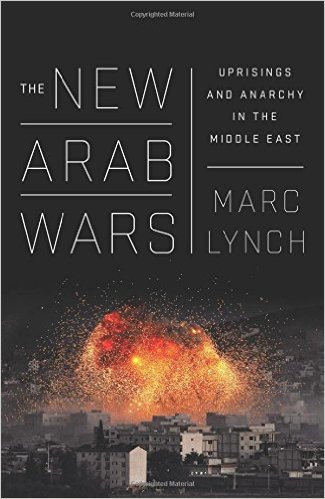
The upheavals in the Middle East and North Africa have only just begun, and the hopes of Arab regimes and Western policymakers to retreat to old habits of authoritarian stability are doomed to fail.
Source: PublicAffairs
Less than twenty-four months after the hope-filled Arab uprising, the popular movement had morphed into a dystopia of resurgent dictators, failed states, and civil wars. Egypt’s epochal transition to democracy ended in a violent military coup. Yemen and Libya collapsed into civil war, while Bahrain erupted in smothering sectarian repression. Syria proved the greatest victim of all, ripped apart by internationally fueled insurgencies and an externally supported, bloody-minded regime. Amidst the chaos, a virulently militant group declared an Islamic State, seizing vast territories and inspiring terrorism across the globe. What happened?The New Arab Wars is a profound illumination of the causes of this nightmare. It details the costs of the poor choices made by regional actors, delivers a scathing analysis of Western misreadings of the conflict, and condemns international interference that has stoked the violence. Informed by commentators and analysts from the Arab world, Marc Lynch’s narrative of a vital region’s collapse is both wildly dramatic and likely to prove definitive. Most important, he shows that the region’s upheavals have only just begun—and that the hopes of Arab regimes and Western policy makers to retreat to old habits of authoritarian stability are doomed to fail.
“This is an unblinking, unsparing and un-put-downable account of the anarchy and ruin that have engulfed the Middle East since the ‘Arab Spring’ dawned five years ago. Marc Lynch offers no easy answers or escapes: The Arab uprisings had deep roots and they won’t be suppressed by the neo-autocrats in Egypt or Saudi Arabia; U.S. intervention couldn’t have prevented the fracture of Syria; Islamic extremism is only going to get worse. This is a brutally honest book that will peel the varnish off conventional wisdom. Even those who disagree with some of Lynch’s conclusions will find The New Arab Wars must-reading.”
—David Ignatius, columnist, Washington Post
“This is an important work, full of sharp insights and sober analysis. Marc Lynch is an exceptional guide to the deeper drivers of change across the Middle East. Anyone looking to understand the roots and trajectories of the Arab uprisings, and their implications for the future of a crucial region, will benefit enormously from this terrific book.”
—Ambassador William J. Burns, president, Carnegie Endowment for International Peace, and former Deputy Secretary of State
“The New Arab Wars is a compelling, accurate, and comprehensive overview of our turbulent region’s very mixed condition at this historic transitional moment. Lynch succinctly captures all the nuances, strengths, weaknesses, actors, dangers, and promises that define the Middle East today. I strongly recommend this book for anyone who seeks to understand what is going on in our region, how we reached this situation, and how to appreciate the changing roles of the many regional and global players.”
—Rami G. Khouri, Senior Public Policy Fellow, Issam Fares Institute for Public Policy and International Affairs, American University of Beirut, and internationally syndicated political columnist
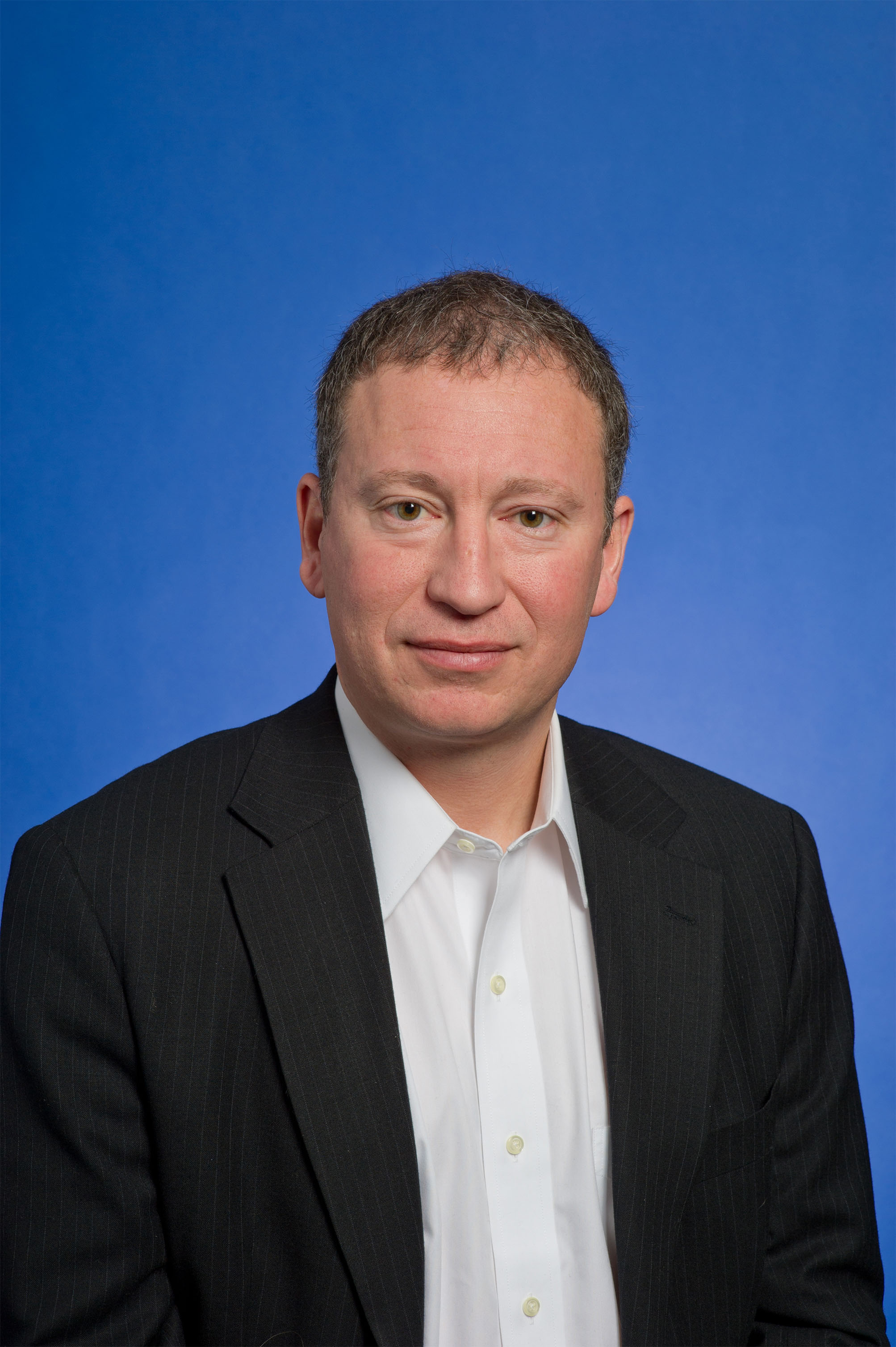
Former Nonresident Senior Fellow, Middle East Program
Marc Lynch was a nonresident senior fellow in Carnegie’s Middle East Program where his work focuses on the politics of the Arab world.
Recent Work
Marc Lynch
Marc Lynch
Carnegie does not take institutional positions on public policy issues; the views represented herein are those of the author(s) and do not necessarily reflect the views of Carnegie, its staff, or its trustees.
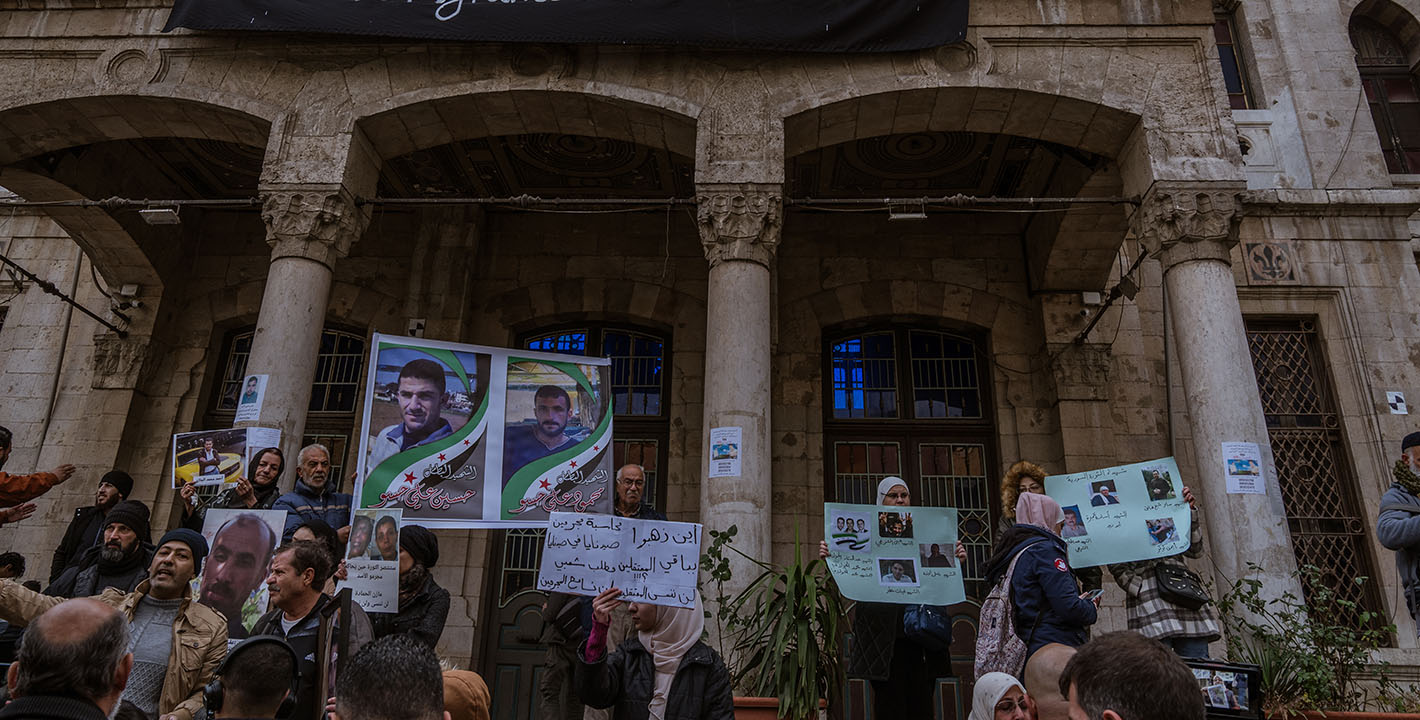
Reconciliation councils are emerging throughout the country to mediate in intracommunal disputes, many from the war years.
Natacha Danon

Russian strikes are weakening the economy sustaining Ukraine’s war effort. Closing the growing funding gap will require more European support and politically contentious reforms in Kyiv.

Balázs Jarábik
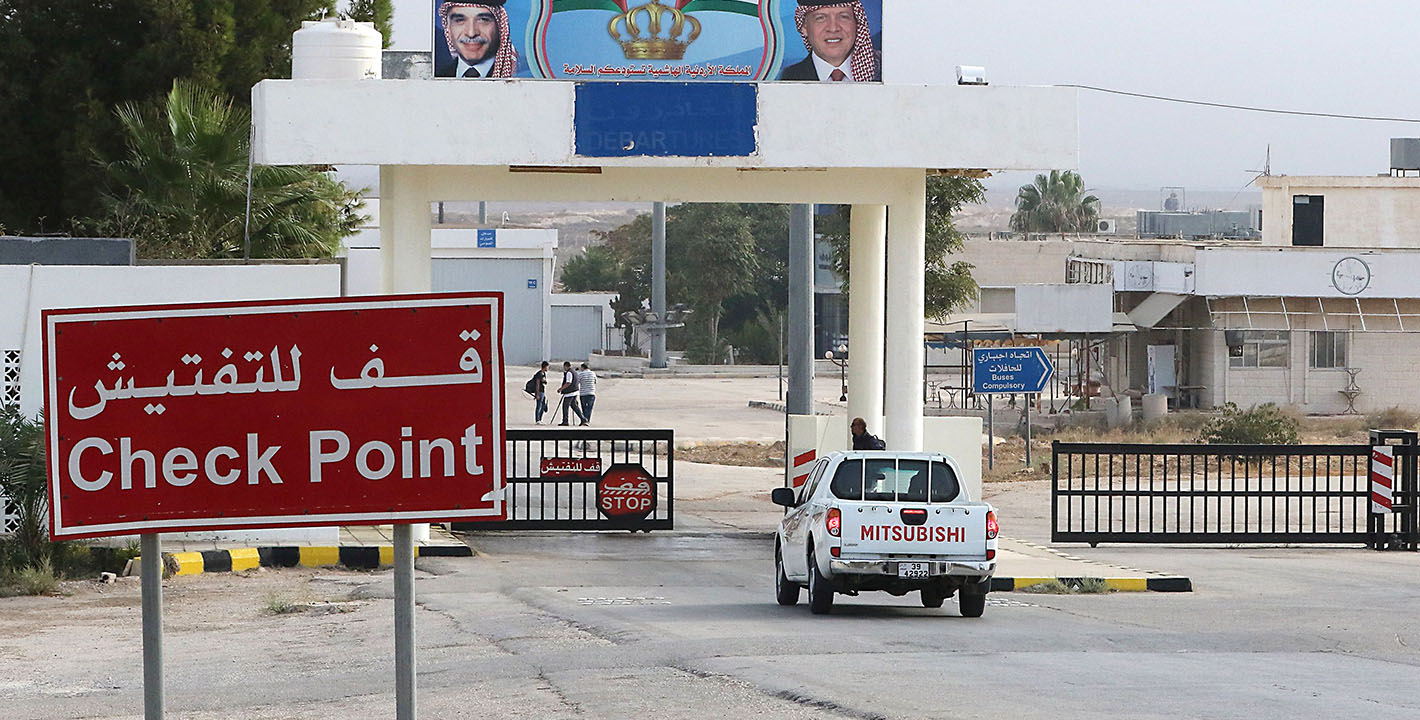
The civil war in Syria may have ended, but the country continues to serve as a source for the trafficking of illegal substances into and via Jordanian territory.

Armenak Tokmajyan, Laith Qerbaa

Ex-president Gurbanguly Berdimuhamedov remains interested in politics, but his son Serdar, Turkmenistan’s current president, is becoming increasingly independent and willing to break with his father’s legacy. If their covert rivalry goes too far, both risk losing power.

Galiya Ibragimova

Europe is facing rising populism internally as well as external pressures from Russia, China, Turkey, and the United States.

Dimitar Bechev