

Commentary
Amr Hamzawy
{
  "authors": [
    "Amr Hamzawy"
  ],
  "type": "commentary",
  "blog": "Sada",
  "centerAffiliationAll": "",
  "centers": [
    "Carnegie Endowment for International Peace"
  ],
  "collections": [],
  "englishNewsletterAll": "",
  "nonEnglishNewsletterAll": "",
  "primaryCenter": "Carnegie Endowment for International Peace",
  "programAffiliation": "",
  "programs": [],
  "projects": [],
  "regions": [
    "Middle East",
    "North Africa",
    "Egypt",
    "Morocco",
    "Jordan",
    "United Arab Emirates"
  ],
  "topics": [
    "Political Reform",
    "Economy"
  ]
}

REQUIRED IMAGE
The lack of democratic breakthroughs worthy of mention in Arab countries has spurred debate about barriers to change. Much of this debate has focused on economic, social, and cultural factors, or on the fragility of political forces demanding democracy. The debate would be incomplete, however, without a discussion of the means by which the authoritarian Arab regimes control their societies.
The lack of democratic breakthroughs worthy of mention in Arab countries has spurred debate about barriers to change. Much of this debate has focused on economic, social, and cultural factors, or on the fragility of political forces demanding democracy. The debate would be incomplete, however, without a discussion of the means by which the authoritarian Arab regimes control their societies, namely the critical roles performed by security services with their quasi-military (police and interior ministries) and intelligence (internal and external) components.
First, the security services restrict opposition political mobilization with a mixture of preemptive and repressive practices. Opposition groups often cannot hold mass meetings or demonstrations and get their supporters to polling places, and are prohibited from legitimate gains by falsified electoral results. The degree of oppression, and whether it is constant or episodic, varies from Syria to Egypt to Morocco. In any case, the result of the security services' oppressive role is the continuation of ruling regimes, many of which lack popular support, and a culture of fear and aversion to political participation amongst citizens.
Second, a cursory glance at the Arab regimes reveals the hegemony of the security services over the executive authority. This phenomenon is not limited to modern republics, founded by militaries that view the security apparatus as an extension of the regular army, but also extends to monarchies. While the unchecked hegemony of the security services in Saudi Arabia and Libya results from the almost complete absence of a political apparatus, in Egypt, Tunisia, and Yemen the same phenomenon can be explained by the relative weakness of the ruling parties in the face of the organizational efficiency of the police and intelligence agencies. Moreover, the proliferation of emergency laws and special tribunals frees the hand of the security apparatus from judicial restraints in dealing with domestic political matters. Recent experiences in Egypt—the regime's reliance on security brutality against voters in order to salvage the 2005 elections in the face of Muslim Brotherhood gains, and the vicious manner in which the security services dealt with liberal opposition figure Ayman Nour—illustrate the phenomenon. Because Arab regimes lack effective political tools for exerting influence over society, even when claiming reformist intentions they often resort to their most effective weapon, oppression by security forces.
Third, officials with security backgrounds are overrepresented among the Arab ruling elites in comparison to other groups such as technocrats, businessmen, and university professors. Although there are fewer ministers with security backgrounds than there used to be in many Arab countries (with the important exceptions of Syria and Algeria), their penetration is still clear. One need only look at the provinces of Morocco, the governorates of Egypt, or the Saudi local councils to witness their heavy presence. Even more insidious is the fact that security services have been able to exercise influence—in some cases veto power—over appointments to leadership positions in legislative or judicial institutions. This security veto creates a structural bias within the Arab elite to the benefit of those desiring to preserve the status quo and against reformist elements, even those essentially loyal to the regime but striving to reform its institutions.
The mentality of the security apparatus fears nothing on this earth more than the call for change. The security veto, which represents a fundamental block to movement and renewal within the Arab elite, leaves Arab regimes either with a fragile band of true reformers with no real power, or with larger groups of phony reformers who advance in proportion to their adherence to the security mentality. Understanding this phenomenon can explain in large measure the schizophrenia of the Moroccan, Egyptian, and Jordanian political elites in recent years.
There remains the question of whether the security services are themselves beset by the same crushing social and economic crises that beset the majority of Arabs, and whether they too are lured by the siren call of political Islam. Or are security services merely a blind instrument for autocratic control, perpetually removed from society itself? Outsiders can venture only a few modest observations, based on limited evidence, as security apparatuses are generally a black box. Despite differences between low- and high-ranking members, security personnel all enjoy higher pay and better services than other segments of society, and are thus protected from unemployment and poverty. In addition, despite recent stories of Saudi security personnel belonging to radical Islamist organizations and of the sympathy of some Egyptian officers for the Muslim Brotherhood, in both cases those involved were either killed or purged. Thus far, it seems that opposition inroads are extremely limited and that security apparatuses continue to serve as an effective tool for the authoritarian control of society.
Amr Hamzawy is a senior associate at the Carnegie Endowment for International Peace. This article was translated from Arabic by Kevin Burnham.

Director, Middle East Program
Amr Hamzawy is a senior fellow and the director of the Carnegie Middle East Program. His research and writings focus on Egypt’s and other middle powers’ involvement in regional security in the Middle East, particularly through collective diplomacy and multilateral conflict resolution
Recent Work
Amr Hamzawy
Amr Hamzawy
Carnegie does not take institutional positions on public policy issues; the views represented herein are those of the author(s) and do not necessarily reflect the views of Carnegie, its staff, or its trustees.
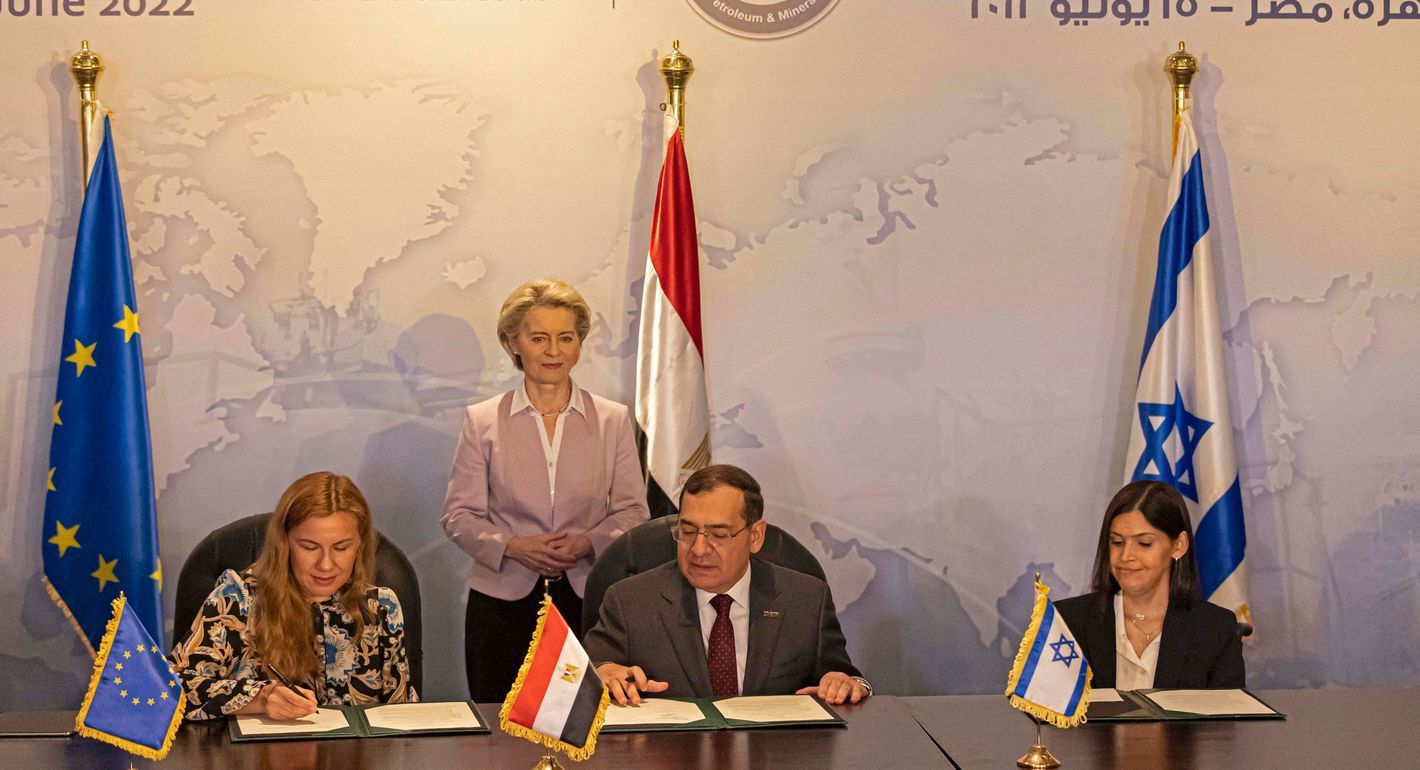
Can economic ties help contain conflict between Egypt and Israel, or do they simply postpone confrontation? Drawing on the German-Russian experience, the article examines how the gas deal creates mutual dependence, keeps channels of cooperation open, and raises the cost of conflict, without necessarily delivering lasting peace.

Nourhan Hefzy

Is the Gulf moving beyond the dollar? This article examines how China is expanding the renminbi's role across Gulf markets, what that means for regional finance, and why the future of global currencies is more complex than the de-dollarization debate suggests.

Andrew Bonney
Syria's transition promised a fresh start. But are old habits of power making a comeback? This analysis looks at the warning signs and what it will take to build a more accountable state.
Sima Beitinjaneh
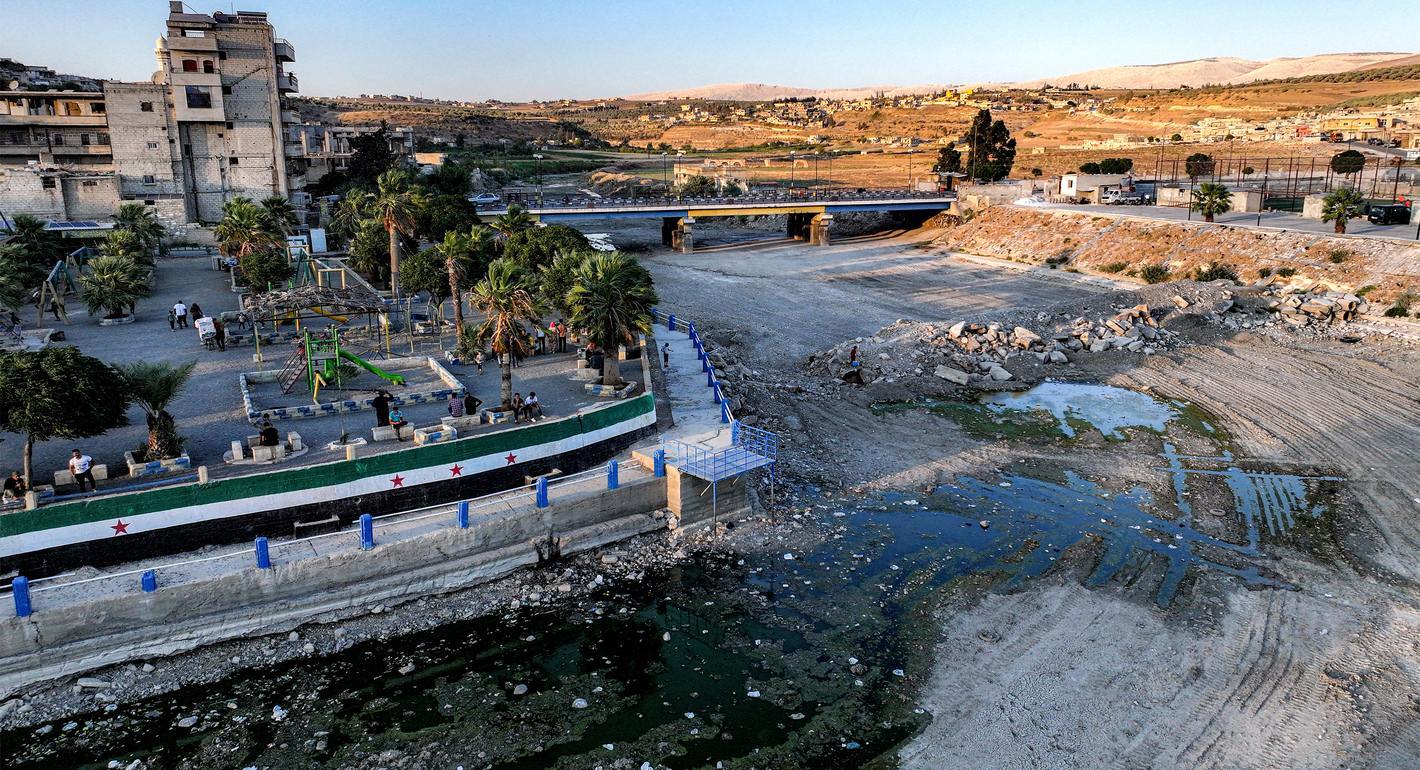
Syria’s worsening drought is no longer a seasonal crisis. This report explains what climate change is doing to rainfall, groundwater, and food security, and what solutions experts say are still possible.

Milia Esper
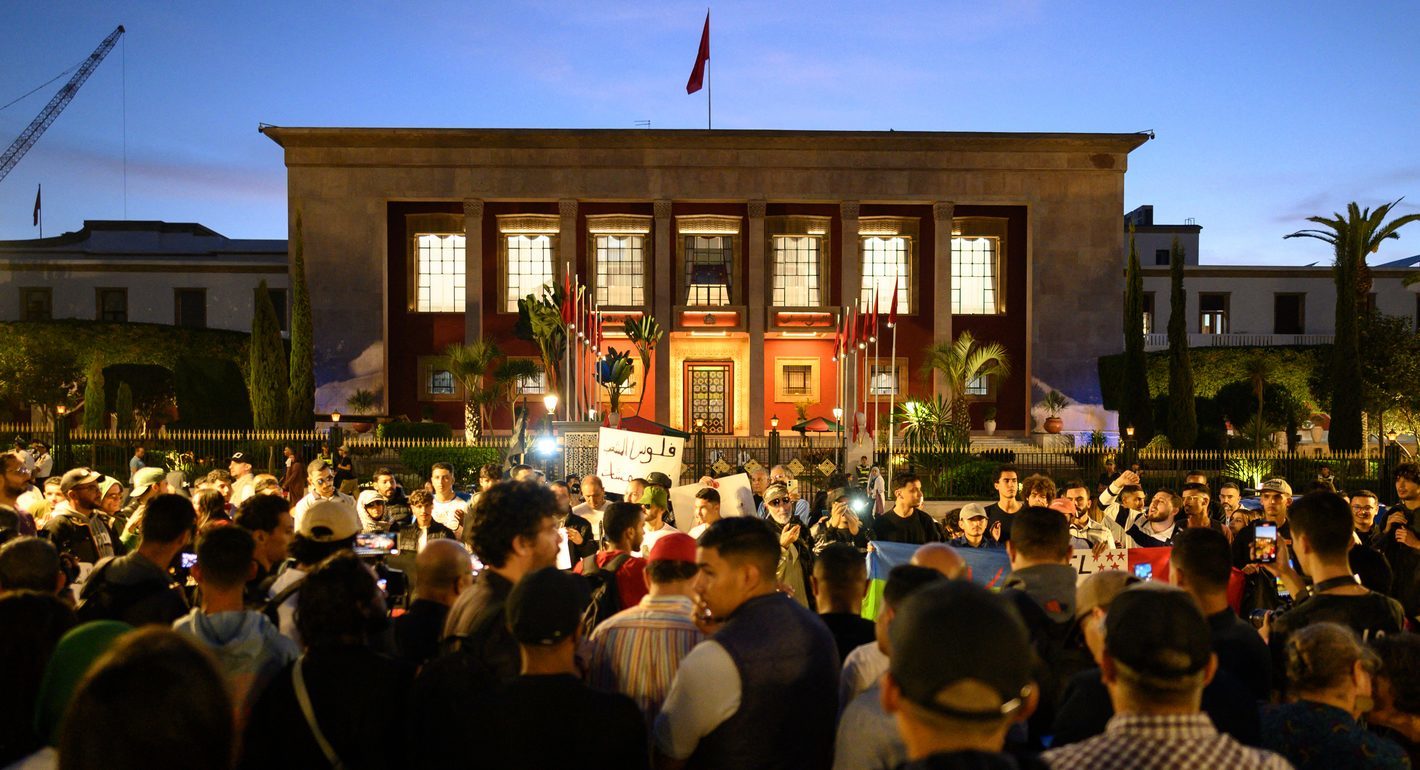
From anime heroes to online gaming communities, Morocco’s Gen Z is building a new protest culture. What does this digital imagination reveal about youth politics, and how should institutions respond?
Abdelilah Farah