

Commentary
Syria’s worsening drought is no longer a seasonal crisis. This report explains what climate change is doing to rainfall, groundwater, and food security, and what solutions experts say are still possible.
Milia Esper
{
  "authors": [
    "Nicholas Blanford"
  ],
  "type": "commentary",
  "blog": "Sada",
  "centerAffiliationAll": "",
  "centers": [
    "Carnegie Endowment for International Peace"
  ],
  "collections": [],
  "englishNewsletterAll": "",
  "nonEnglishNewsletterAll": "",
  "primaryCenter": "Carnegie Endowment for International Peace",
  "programAffiliation": "",
  "programs": [],
  "projects": [],
  "regions": [
    "Middle East",
    "North Africa",
    "Egypt",
    "Tunisia",
    "Iraq",
    "Palestine",
    "Syria",
    "Saudi Arabia"
  ],
  "topics": [
    "Political Reform"
  ]
}

REQUIRED IMAGE
With the ongoing violence in Iraq, the bloody impasse between Israel and the Palestinians, and the new American sanctions on Syria, it was perhaps not surprising that the Arab League's May 23-24 summit in Tunis focused on these regional crises, rather than on political reform inside Arab countries as the United States had hoped.
With the ongoing violence in Iraq, the bloody impasse between Israel and the Palestinians, and the new American sanctions on Syria, it was perhaps not surprising that the Arab League's May 23-24 summit in Tunis focused on these regional crises, rather than on political reform inside Arab countries as the United States had hoped. The summit's centerpiece was the two-year-old Arab Peace Initiative of Saudi Crown Prince Abdullah, dusted off and re-endorsed for the occasion. The initiative offers Israel full normalization with the Arab world in exchange for a complete withdrawal from occupied Arab territory. Yet, the summit's final communique, the Tunis Declaration, did refer briefly to political reform—the first such Arab League statement to do so. This suggests that Arab leaders do not want to appear unresponsive to the growing clamor for political change within their own countries, even if they have no intention of loosening their hold on power.
The 22 Arab League members did not intend to put reform on the agenda of the summit, originally scheduled for March. But in February, a leaked draft of the Bush administration's Greater Middle East Initiative, a new transatlantic plan to promote regional reform, sparked wide discussion among Arabs. Critics complained that the Initiative failed to address the role of the Israeli-Palestinian conflict in creating regional instability and that it represented Washington's attempt to meddle in internal Arab affairs. (These criticisms led the Bush administration to revise portions of the Initiative, now renamed the "Partnership for Progress and a Common Future with the Region of the Broader Middle East and North Africa," before unveiling it at the June 8-10 Group of Eight Industrialized Nations summit in Sea Island, Georgia). At the same time, Arab commentators stressed the need for Arabs to formulate their own reform agenda.
This forced League members to react to the Bush administration's plan. Disputes about how to deal with the issue of reform, however, contributed to Tunisian President Zine Al Abidine Ben Ali's abrupt cancellation of the March summit on the eve of its opening session. In early May, Arab foreign ministers met in Cairo to draw up a joint reform plan based on proposals from several countries, including Egypt, Jordan, Qatar, Tunisia, and Yemen. The five-page Cairo document, titled "A Course for Development, Modernization and Reform in the Arab World," provided the language for the Tunis Declaration's two paragraphs dealing with political reform. The first paragraph pledges Arab countries to "reaffirm attachment" to human rights, and to "reinforce" freedom of expression, thought and worship, and the independence of the judiciary. The second paragraph calls on Arab states, in accordance with the Cairo document, to "consolidate democratic practice, broaden participation in political and public life, reinforce the role of all components of civil society?and widen women's participation in the political, economic, social, cultural and educational fields."
Although it uses the terms "democracy" and "human rights," the declaration represents at most a lukewarm rhetorical commitment to reform. Its language is vague enough to avoid constituting a pledge to carry out specific reforms. Its reference to the Cairo document (whose title, at Syria's insistence, was revised in Tunis to omit the word "Reform") provides a handy justification for continued procrastination on reform. That document states that reforms should be implemented "in accordance with [each country's] cultural, religious, and civilizational understandings and values, circumstances and capabilities." The Tunis document also omits any reference to mechanisms to monitor the implementation of reform.
The absence of a large number of leaders from the summit further undermined the already tepid language. Some stay-aways were still irritated at Ben Ali for canceling the March gathering. Crown Prince Abdullah of Saudi Arabia refused to attend due to a deep personal grudge with the Tunisian leader. Kuwait, angered by Arab League Secretary-General Amr Moussa's opposition to the U.S.-led invasion of Iraq, has scorned the League as "dead and good for nothing but burial," according to a pro-government newspaper. Syrian President Bashar Al Asad reportedly attended only after receiving assurances that the League would denounce U.S. sanctions against his country. Furthermore, two leaders departed Tunis before the final declaration was released. Libyan leader Colonel Muammar Qaddafi walked out, complaining that his proposals, including a plan for a democratic Israeli-Palestinian state, were ignored. Egyptian president Hosni Mubarak left after being angered by the League's refusal to consider his proposal for an Arab mechanism to monitor reform (designed to pre-empt any international mechanism launched as part of the Broader Middle East Initiative).
Arab leaders' public debate over reform still tends to reflect their preoccupations with the Arab-Israeli conflict. Syria, in a state of war with Israel, has made only a halting and ill-defined commitment to reform. Egypt and Jordan, which have made peace with Israel, or those geographically removed from the conflict, such as most Gulf and North African states, generally are more willing to accept the notion of political reform (Saudi Arabia being an important exception). All the same, it may yet transpire that the real impetus to turn Tunis's promises into action is less the external urging of the West and more the growing domestic calls for democratic reforms emanating from within Arab societies.
Nicholas Blanford is a Beirut-based journalist.
Nicholas Blanford
Carnegie does not take institutional positions on public policy issues; the views represented herein are those of the author(s) and do not necessarily reflect the views of Carnegie, its staff, or its trustees.
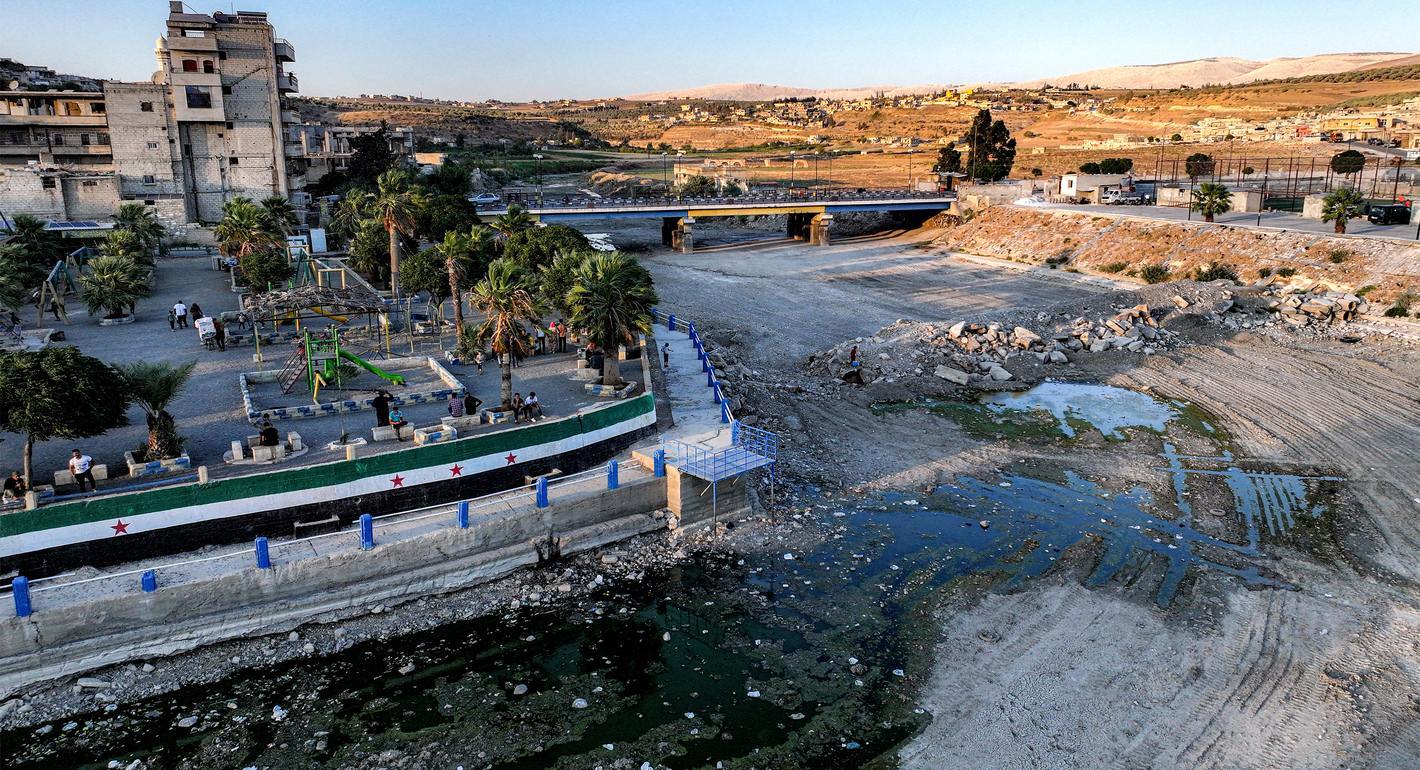
Syria’s worsening drought is no longer a seasonal crisis. This report explains what climate change is doing to rainfall, groundwater, and food security, and what solutions experts say are still possible.

Milia Esper
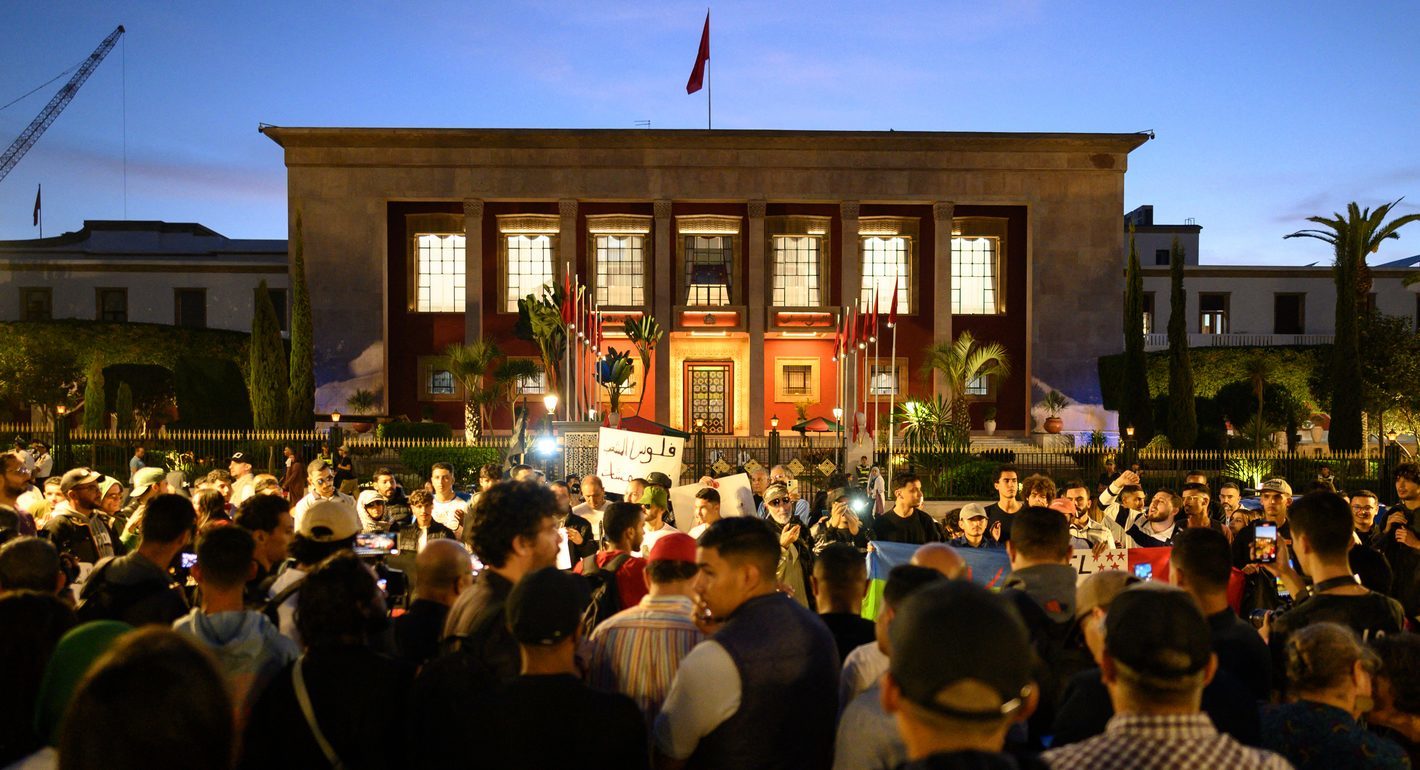
From anime heroes to online gaming communities, Morocco’s Gen Z is building a new protest culture. What does this digital imagination reveal about youth politics, and how should institutions respond?
Abdelilah Farah
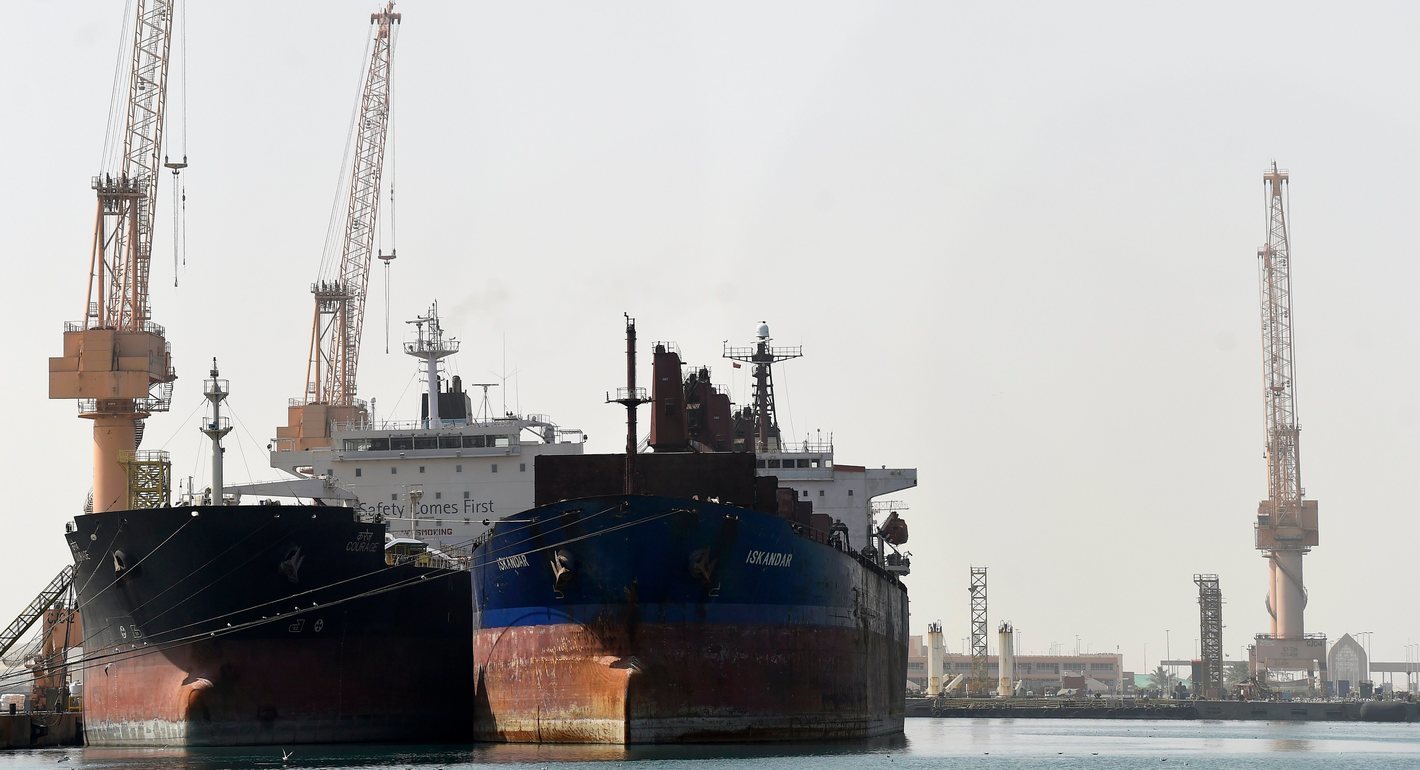
In a volatile Middle East, the Omani port of Duqm offers stability, neutrality, and opportunity. Could this hidden port become the ultimate safe harbor for global trade?
Giorgio Cafiero, Samuel Ramani
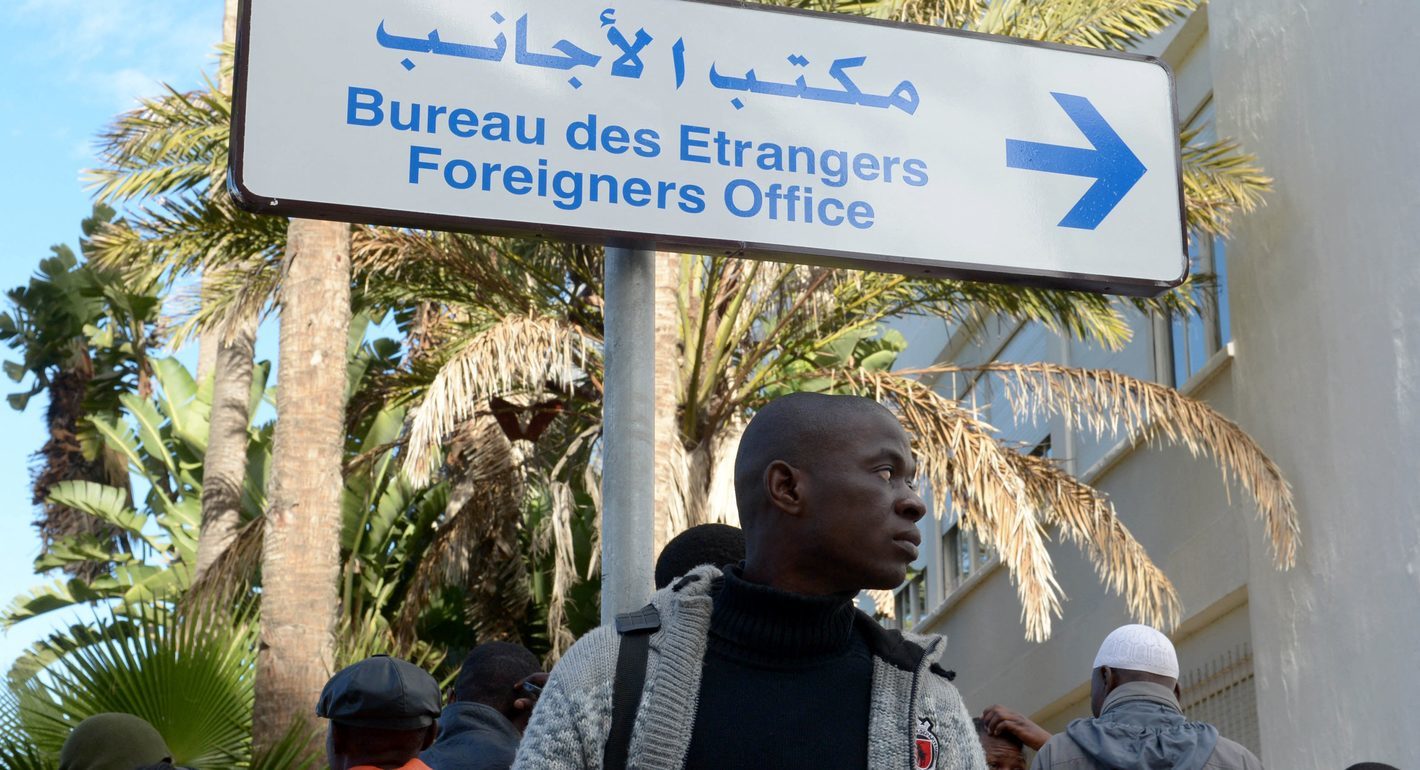
Is Morocco’s migration policy protecting Sub-Saharan African migrants or managing them for political and security ends? This article unpacks the gaps, the risks, and the paths toward real rights-based integration.
Soufiane Elgoumri
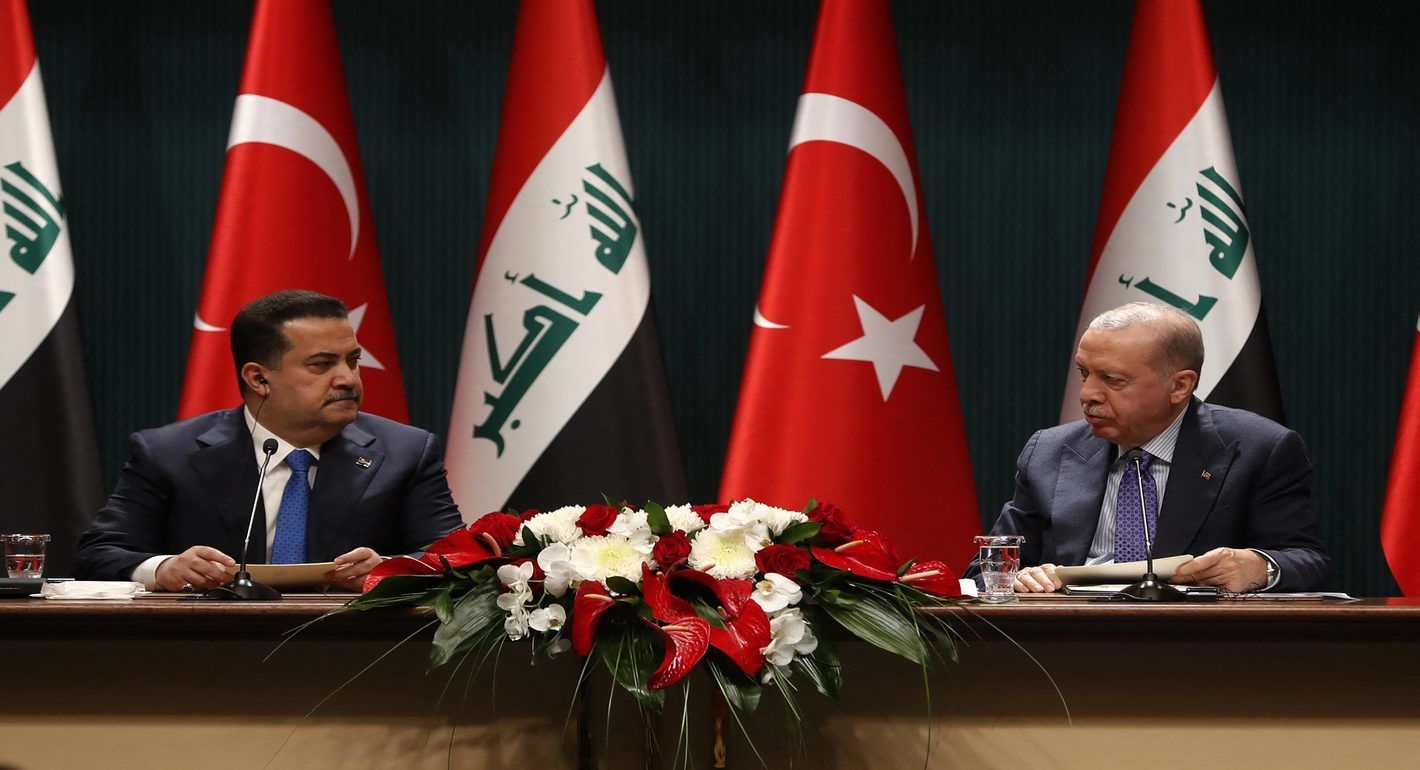
Iraq’s foreign policy is being shaped by its own internal battles—fractured elites, competing militias, and a state struggling to speak with one voice. The article asks: How do these divisions affect Iraq’s ability to balance between the U.S. and Iran? Can Baghdad use its “good neighbor” approach to reduce regional tensions? And what will it take for Iraq to turn regional investments into real stability at home? It explores potential solutions, including strengthening state institutions, curbing rogue militias, improving governance, and using regional partnerships to address core economic and security weaknesses so Iraq can finally build a unified and sustainable foreign policy.
Mike Fleet