

تعليق
هل يمكن للغاز أن يخفف التوتر بين مصر وإسرائيل، أم أن المصالح الاقتصادية تؤجل الصدام فقط؟ يقارن المقال بين صفقة الغاز المصرية-الإسرائيلية والتجربة الألمانية-الروسية ليكشف حدود قدرة التجارة والاعتماد المتبادل على احتواء الصراع.
نورهان حفظي
{
  "authors": [
    "سبنيم جوموسكو"
  ],
  "type": "commentary",
  "blog": "صدى",
  "centerAffiliationAll": "",
  "centers": [
    "Carnegie Endowment for International Peace"
  ],
  "collections": [],
  "englishNewsletterAll": "",
  "nonEnglishNewsletterAll": "",
  "primaryCenter": "Carnegie Endowment for International Peace",
  "programAffiliation": "",
  "programs": [],
  "projects": [],
  "regions": [
    "الشرق الأوسط",
    "السياسة التركية",
    "شمال أفريقيا",
    "مصر",
    "المشرق العربي"
  ],
  "topics": [
    "الإصلاح السياسي",
    "المجتمع المدني",
    "دِين"
  ]
}

REQUIRED IMAGE
الإصلاحيون يرفعون لواء "النموذج التركي" كمثال للإخوان المسلمين في مصر. لكن المسارات النيوليبراليّة المختلفة في البلد تشير إلى أن الأحزاب المصريّة الإسلاميّة أمامها طريق أكثر وعورة
أشار عدد من الشباب الإسلاميين الأكثر نزوعاً نحو الاعتدال في مصر، إلى أن حزب العدالة والتنمية في تركيا هو مصدر إلهام لهم، مستشهدين بنجاح تجربة الإصلاح القانوني والإدارة الاقتصادية والانتصارات الانتخابية في تركيا كنماذج يجب محاكاتها. حتى أنه وفي بعض الأوساط السياسيّة، قُدّمت تركيا كنموذج يحتذى به في شكل عام للعالم العربي، وهي سمة مستمدّة على ما يبدو من قدرتها على الجمع بين الديمقراطية العلمانية ومجتمع ذي غالبية ساحقة من المسلمين.
لكن أولئك الذين يتحدثون عن "النموذج التركي" يسيئون فهم التحوّل في هذا البلد؛ فالتعايش بين الإسلام والديمقراطية لم يتحقّق في تركيا بفضل قيام حزب العدالة والتنمية بتطوير مؤسسات وهيكليات سياسية تجمع بين المبادئ الإسلامية والديمقراطية، بل لأن الإسلاميين أنفسهم قبِلوا الإطار العلماني-الديمقراطي للدولة التركية.
وقد نجم هذا التحوّل في شكل أساسي عن الانتقال النيوليبرالي الذي عرفته تركيا في ثمانينيات القرن العشرين، والذي أدّى في نهاية المطاف إلى ظهور طبقة جديدة وسط الناخبين الإسلاميين تحوّلت إلى قوّة الاعتدال الأيديولوجي.
نادى هؤلاء بتعزيز البراغماتية السياسية والاستقرار، إلى جانب توثيق العلاقات مع الاتحاد الأوروبي كشريك تجاري أساسي، ومع الغرب في شكل عام. وقد انفصل هؤلاء المسلمون المعتدلون – وهم عبارة عن طبقة منظّمة من رجال الأعمال النافذين والمتديّنين الذين ينتمون إلى البورجوازية في المحافظات – وأنشأوا حزب العدالة والتنمية العام 2001.
عمل حزب العدالة والتنمية، بوصفه حزباً محافظاً يمثّل المصالح النيوليبرالية، على الحد من تدخل الدولة، وتعزيز الاستقرار السياسي والاقتصادي، وبناء علاقات ودّية مع العالم الخارجي. وإلى جانب حشد مزيد من الدعم في أوساط رجال الأعمال العلمانيين والطبقات الوسطى، جعل الحزب فكرة الدولة النافذة – التي تدير الاقتصاد وكذلك حياة المسلمين من خلال المبادئ الإسلامية – مسألة تخطاها الزمن. وذلك لا يعود إلى التخلي عن التقوى، بل لان الشبكات الإسلامية وجدت في السوق الحرّة ومنظمات المجتمع الأهلي أرضاً خصبة تؤمن لها الازدهار.
وقد شجّع حزب العدالة والتنمية هذه العلاقات كوسيلة لمؤازرة المحرومين في المجتمع، فعمد إلى خصخصة بعض الخدمات الاجتماعية بصورة فاعلة. كما حافظ الحزب على البنية الدستورية والمؤسّساتية الأساسية للدولة، لكنّه أقرّ تعديلات دستورية تهدف إلى التكيّف مع معايير الاتحاد الأوروبي، وكبح سلطة الجيش. بعبارة أخرى، أصبح الإسلام والديمقراطية منسجمَين في تركيا في ظل الليبرالية الجديدة. ولم تعد الدولة محور حياة المواطنين والإنتاج الاقتصادي وإعادة التوزيع.
يتجاهل المراقبون الذين ينسبون الفضل في هذا التحوّل إلى عوامل أخرى – مثل الثقافة العلمانية في تركيا أو الضغوط من الجيش أو الموقع الجغرافي للبلاد في جوار الاتحاد الأوروبي – يتجاهلون إذاً أن الإسلاموية التركية نجحت حتى الآن في مقاومة هذه التأثيرات التي ظهرت قبل وقت طويل من صعودها في تركيا. لقد قاوم الإسلام السياسي المنظَّم في تركيا التأثير التحوّلي للممارسات الديمقراطية العلمانية، وكذلك الضغوط من الجيش والمؤسّسة الحاكمة الأوسع، فيما ظل مناهضاً بشدّة للغرب (ضد الاتحاد الأوروبي وضد حلف شمال الأطلسي "الناتو") لفترة تناهز الثلاثة عقود.
أما في مصر، فقد عادت النيوليبرالية في شكل أساسي بالمنفعة على أزلام نظام مبارك، ولم تصل مفاعيلها إلى الشركات الأصغر. ليست هناك قاعدة قوية من رجال الأعمال داخل الحركة الإسلامية كي تصرّ على الإصلاحات النيوليبرالية أو على تقليص حجم الدولة أو على البراغماتية السياسية. في الواقع، يطغى المهنيون (الأطباء والمهندسون والمعلّمون والمحامون) على الحركة الإسلامية، وهم يفضّلون دولة قوية وتوسّعية كمصدر للتوظيف والأمن الاجتماعي والسلع العامة. صحيح أن حزب الحرية والعدالة الذي أنشأه الإخوان المسلمون يدعم المبادرة الخاصة، لكن هذا الدعم لايعني أبداً دعم النيوليبرالية. فلدى التمعّن في البرنامج الانتخابي للحزب، يتبيّن أنه يُبقي على دور كبير للدولة في الإنتاج والتخطيط وتنظيم الأسعار والأمن الاجتماعي وتوليد الوظائف. وتحتل المطالبة بتحسين العدالة الاجتماعية للأجراء والدعوات إلى القضاء على البطالة لدى المتعلّمين، حيّزاً هاماً في البرنامج الانتخابي. أمّا النظام الاقتصادي الذي ينادي به حزب الحرية والعدالة فهو أقرب إلى نموذج تسيطر فيه مجموعات المصالح الكبرى على الدولة والشركات ويكون موجّهاً نحو إيجاد بدائل عن الواردات وتعزيز الصادرات، بدلاً من اقتصاد نيوليبرالي قائم على الدولة الصغيرة والتجارة الحرة.
حتى إذا أجري مزيد من الإصلاح الاقتصادي في مصر، من غير المرجّح أن يولّد البراغماتية التي يتصوّرها أنصار النموذج التركي في المستقبل القريب. وحتى إذا ازدهرت هذه المجموعات، فإن قدرتها على ممارسة تأثير مشابه لتأثير حزب العدالة والتنمية التركي، سوف تتوقّف بالكامل عند تحوّل التيار الإسلامي المصري حزباً سياسياً بكل معنى الكلمة. لكن خلافاً لنظيرهم التركي، الإخوان المسلمون هم جمعية دينية في شكل أساسي؛ وتحتل الأهداف الاقتصادية والسياسية والثقافية مرتبة ثانوية بالنسبة إليهم مقارنة بالتبشير الديني. يعتمد حزب الحرية والعدالة على القاعدة الشعبية للإخوان المسلمين للحصول على الدعم في الانتخابات، وعلى الرغم من أن أعضاء الإخوان يؤدّون وظيفة التنظيم في الحزب، إلا أنهم يُجنَّدون في شكل أساسي باسم الدعوة الإسلامية. ثم أنهم يُنظَّمون وفقاً لهيكلية صارمة وتتم تعبئتهم باسم الإسلام، وليس انطلاقاً من اهتمامات سياسية أو اقتصادية. تُعزِّز هيكلية الجماعة الأولويات الدينية، وتقوِّض المساءلة الداخلية، وتلقي بظل من سيطرة الإخوان على حزب الحرية والعدالة. وهكذا فإن قرار الإخوان المسلمين – الذي قبلته الهيئة الأساسية في الحزب – عدم تسمية مرشّح للرئاسة تحت راية حزب الحرية والعدالة هو برهان على أنهم يرهنون السياسة بالدين أكثر منه تعبيراً عن رغبة في التنحّي جانباً في موضوع الرئاسة.
إذا لم يتحوّل حزب الحرية والعدالة تنظيماً سياسياً مستقلاً خاضعاً للمساءلة أمام ناخبيه وأكثر توجّهاً نحو المصالح السياسية لهؤلاء الناخبين، فهو لن يصبح مسؤولاً أمام الشعب المصري. لقد عرفت تركيا عمليّة مماثلة في سبعينيات القرن العشرين عندما أنشئ أول حزب سياسي إسلامي ككيان مستقل يمثّل ناخبيه في مدن الأناضول ويخضع للمساءلة أمامهم.
باختصار، ليس هناك "نموذج تركي" عن إسلاموية مندمِجة، بل هناك مسلمون في دولة علمانية-ديمقراطية تعمل في إطار نيوليبرالي. العوامل البنيوية والمؤسّساتية في تركيا فريدة من نوعها تاريخياً، ولذلك من المستبعد إلى حد كبير أن نشهد عملية مماثلة في مصر. سوف تبحث مصر، في ظل القيادة الإسلامية، عن إطار آخر سيفرض على التيّار الإسلامي فصل وظائفه السياسية عن وظائفه الدينية، ويتيح للحزب السياسي تمثيل مختلف مصالح الناخبين. وبسبب هذا كلّه، ستكون مهمّة الإسلاميين في مصر أصعب من مهمة نظرائهم في تركيا، إذ يتعيّن عليهم أن يتخلّوا عن عادات الهرمية والتبشير المتجذِّرة في النفوس من أجل بناء نظام ديمقراطي ذي مؤسّسات فريدة.
سبنيم جوموسكو خبيرة في العلوم السياسية متخصّصة في التيارات السياسية الإسلامية في جامعة سابانجي في اسطنبول
سبنيم جوموسكو
لا تتخذ كارنيغي مواقف مؤسسية بشأن قضايا السياسة العامة؛ الآراء المعبر عنها هنا هي آراء المؤلف(ين) ولا تعكس بالضرورة آراء كارنيغي أو موظفيها أو أمنائها.
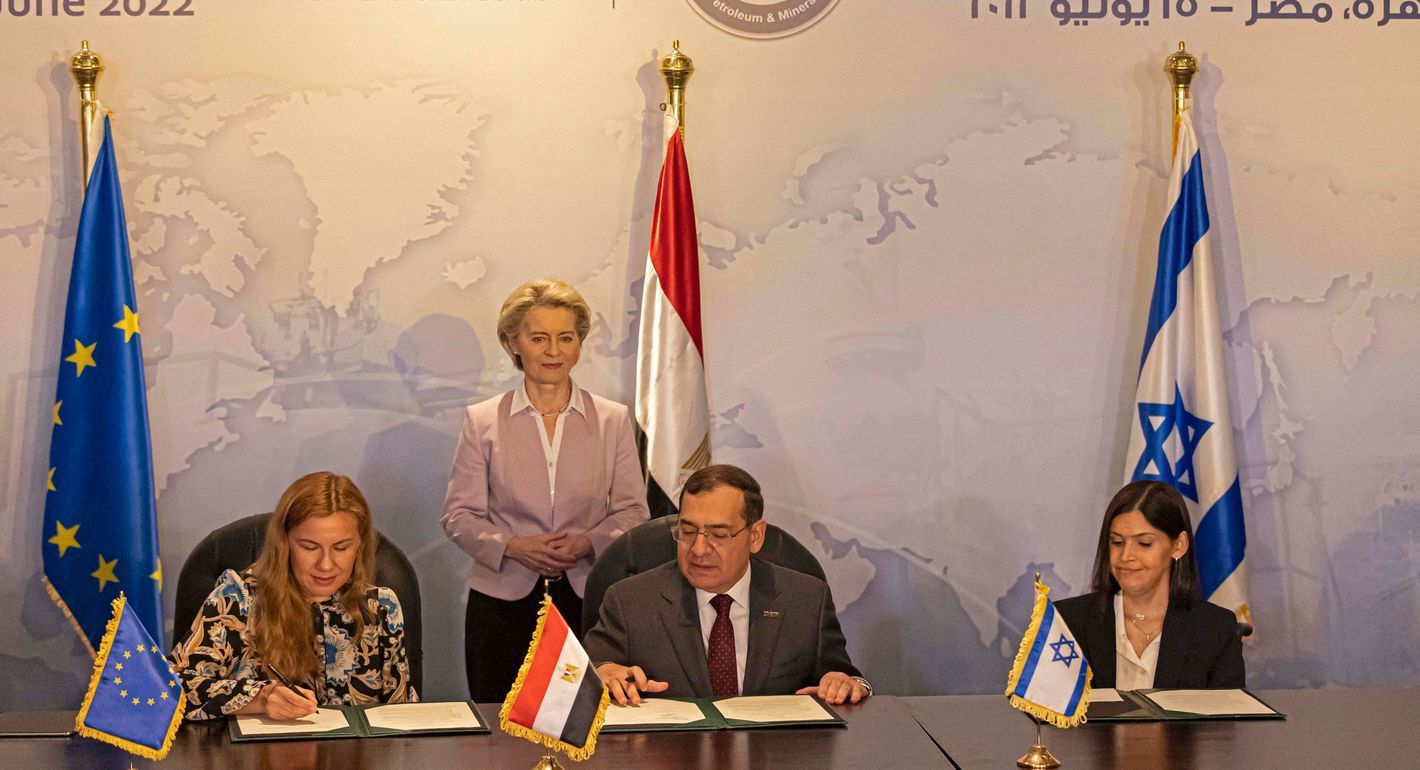
هل يمكن للغاز أن يخفف التوتر بين مصر وإسرائيل، أم أن المصالح الاقتصادية تؤجل الصدام فقط؟ يقارن المقال بين صفقة الغاز المصرية-الإسرائيلية والتجربة الألمانية-الروسية ليكشف حدود قدرة التجارة والاعتماد المتبادل على احتواء الصراع.
نورهان حفظي
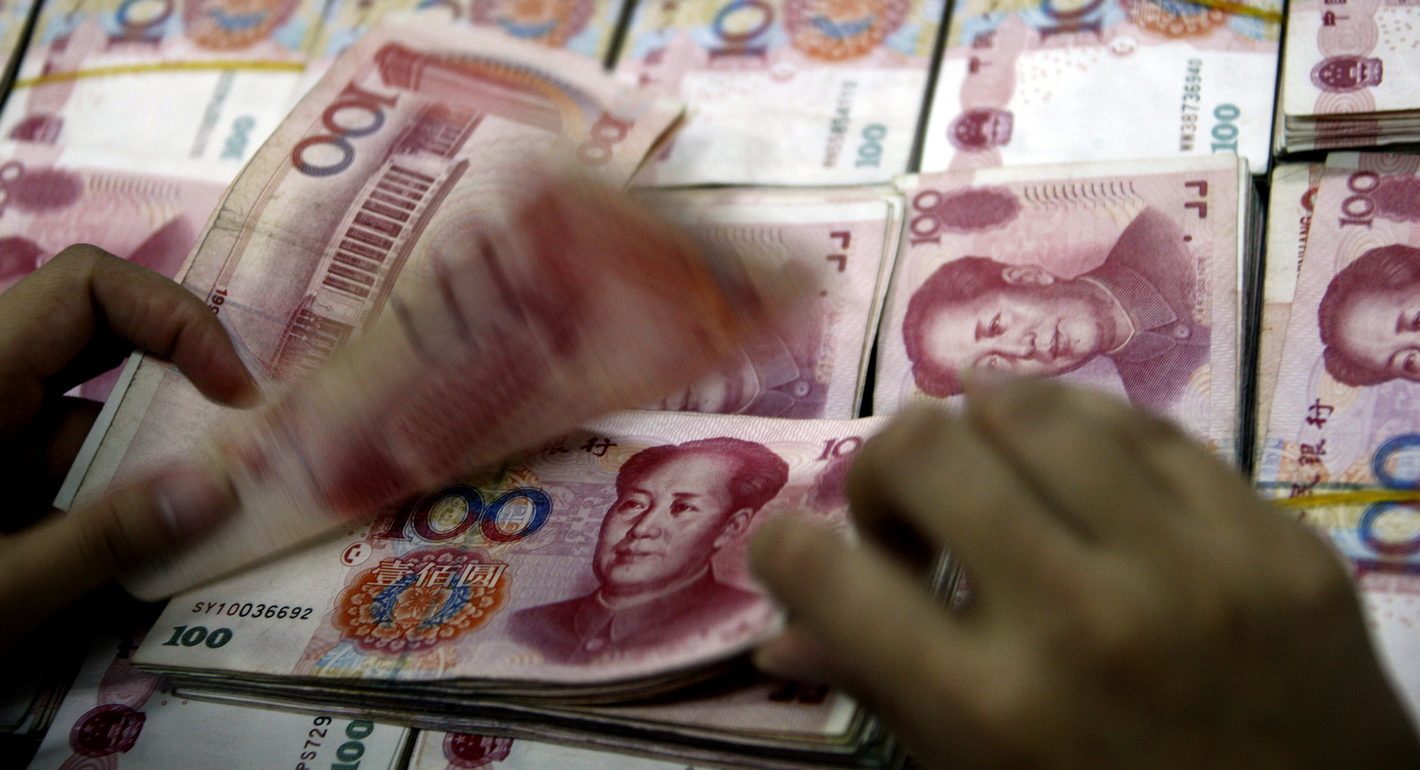
هل يتجه الخليج إلى ما بعد هيمنة الدولار؟ يتناول هذا المقال توسّع الصين لاستخدام اليوان في أسواق الخليج، وما الذي يعنيه ذلك لمستقبل النظام المالي الإقليمي، ولماذا تبدو مسألة فك الارتباط بالدولار أكثر تعقيدًا مما توحي به العناوين.
أندرو بوني
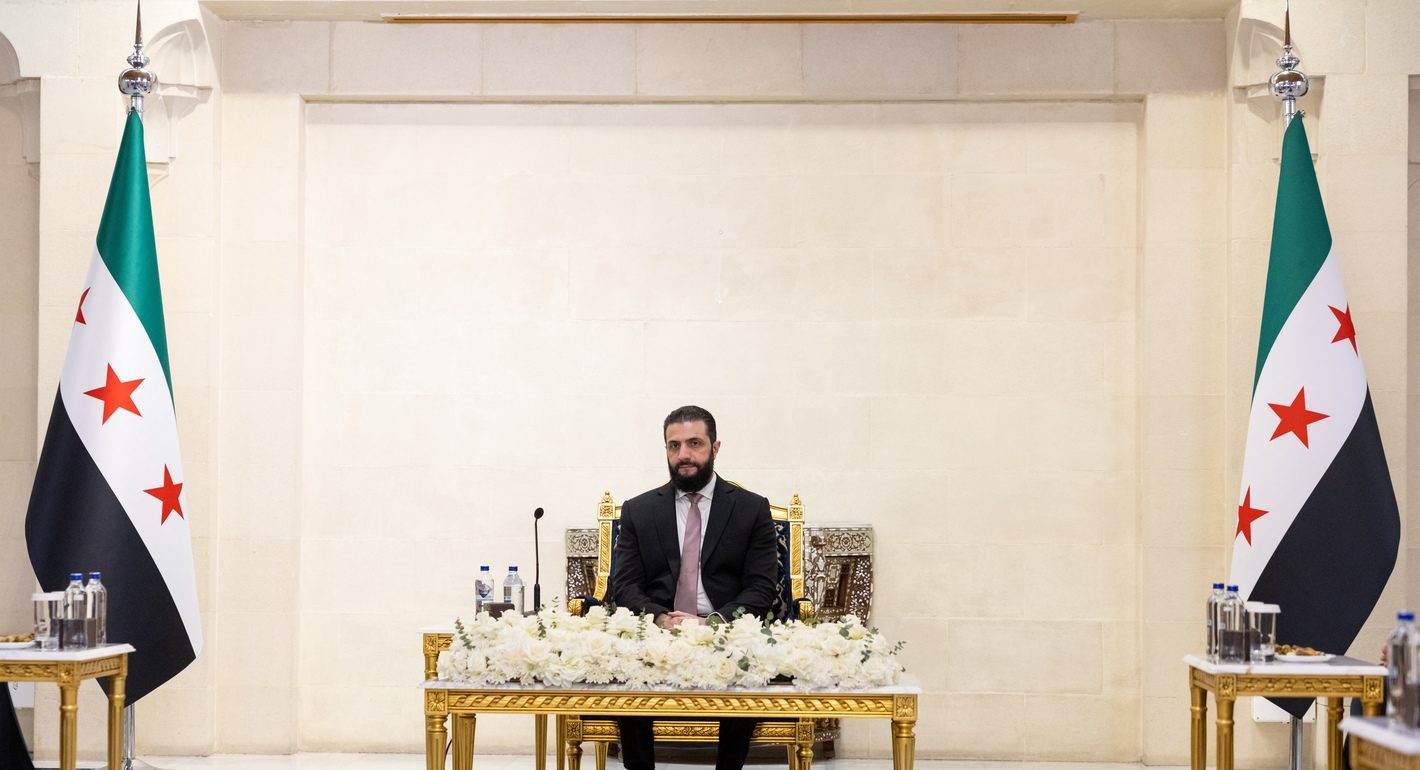
وعدت المرحلة الانتقالية في سوريا ببداية جديدة، لكن هل تعود أساليب الحكم القديمة بثوب جديد؟ يناقش هذا المقال مؤشرات ذلك وما يلزم لبناء دولة أكثر شفافية ومساءلة.
سيما بيتنجانة
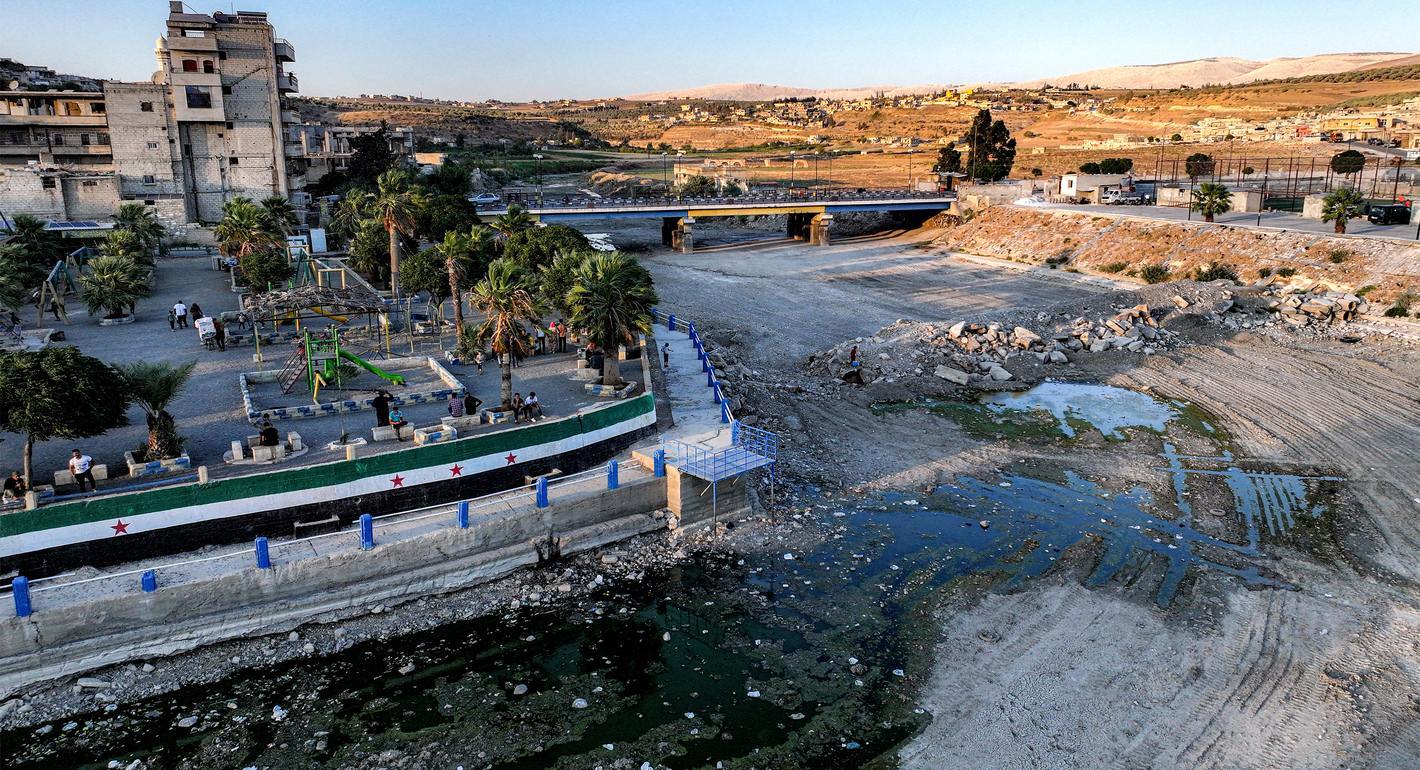
لم يعد الجفاف في سوريا أزمة موسمية عابرة. هذا التقرير يوضح كيف يفاقم تغيّر المناخ ندرة المياه ويهدد الزراعة والأمن الغذائي، وما الحلول المطروحة لتفادي الأسوأ.
ميليا اسبر
تستضيف مؤسسة كارنيغي السيناتور الديمقراطي كريس ميرفي في حوارٍ لمناقشة السياسة الأمريكية في الشرق الأوسط، محذرًا من أن الحرب على إيران خطأ استراتيجي سيدفع المنطقة والعالم نحو مزيدٍ من التصعيد.

أنجي عمر