

Article
Marina Ottaway, Omar Hossino
{
  "authors": [
    "Marina Ottaway"
  ],
  "type": "legacyinthemedia",
  "centerAffiliationAll": "dc",
  "centers": [
    "Carnegie Endowment for International Peace"
  ],
  "collections": [],
  "englishNewsletterAll": "menaTransitions",
  "nonEnglishNewsletterAll": "",
  "primaryCenter": "Carnegie Endowment for International Peace",
  "programAffiliation": "MEP",
  "programs": [
    "Middle East"
  ],
  "projects": [],
  "regions": [
    "North America",
    "United States",
    "Middle East",
    "Iran",
    "Israel",
    "Iraq",
    "Lebanon",
    "Palestine",
    "Syria",
    "Qatar",
    "Saudi Arabia",
    "Yemen"
  ],
  "topics": [
    "Political Reform",
    "Democracy",
    "Security",
    "Foreign Policy"
  ]
}
Source: Getty
Arab regimes that have long been friendly to the United States are increasingly reluctant to follow Washington’s lead on any issue. They are not enemies of the United States, but they are not faithful allies, either. Rather, they follow the policies they believe best protect their interests, regardless of what the United States wants.
Source: Harvard International Review

Today the alignment of the Middle East is quite different, but not in the way the United States envisaged after the disappearance of the Soviet Union. The number of Arab governments truly antagonistic to the United States dwindled to almost none once Saddam Hussein was removed from power in early 2003 and Libya’s Muammar Qaddafi renounced the pursuit of nuclear weapons and turned to the West later that year. Even Syria and the Sudan would like to establish better ties to the United States. However, regimes that have long been friendly to the United States are increasingly reluctant to follow Washington’s lead on any issue. They are not enemies of the United States, but they are not faithful allies, either. Rather, they follow the policies they believe best protect their interests, regardless of what the United States wants.
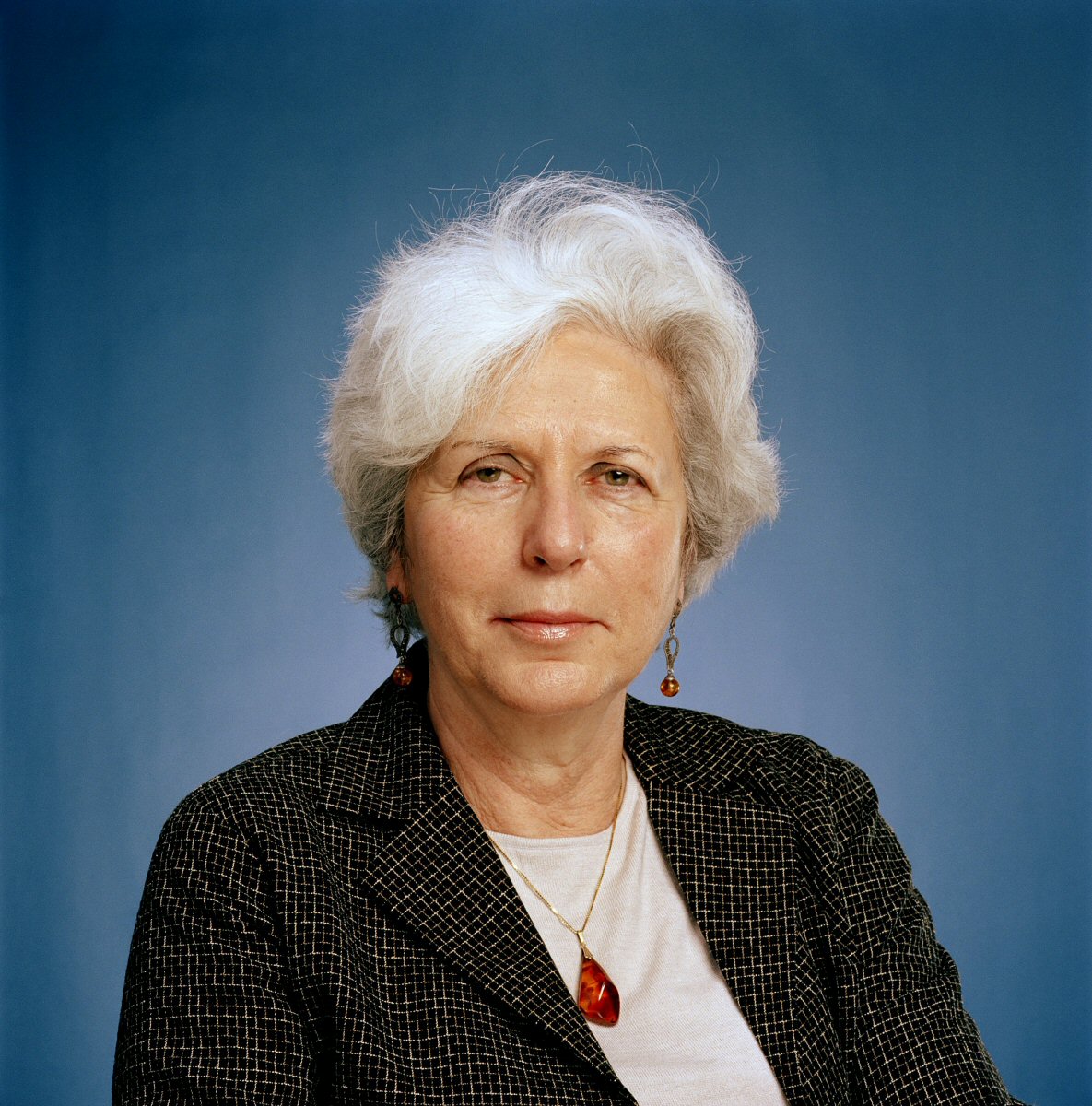
Former Senior Associate, Middle East Program
Before joining the Endowment, Ottaway carried out research in Africa and in the Middle East for many years and taught at the University of Addis Ababa, the University of Zambia, the American University in Cairo, and the University of the Witwatersrand in South Africa.
Recent Work
Marina Ottaway, Omar Hossino
Marina Ottaway
Carnegie does not take institutional positions on public policy issues; the views represented herein are those of the author(s) and do not necessarily reflect the views of Carnegie, its staff, or its trustees.
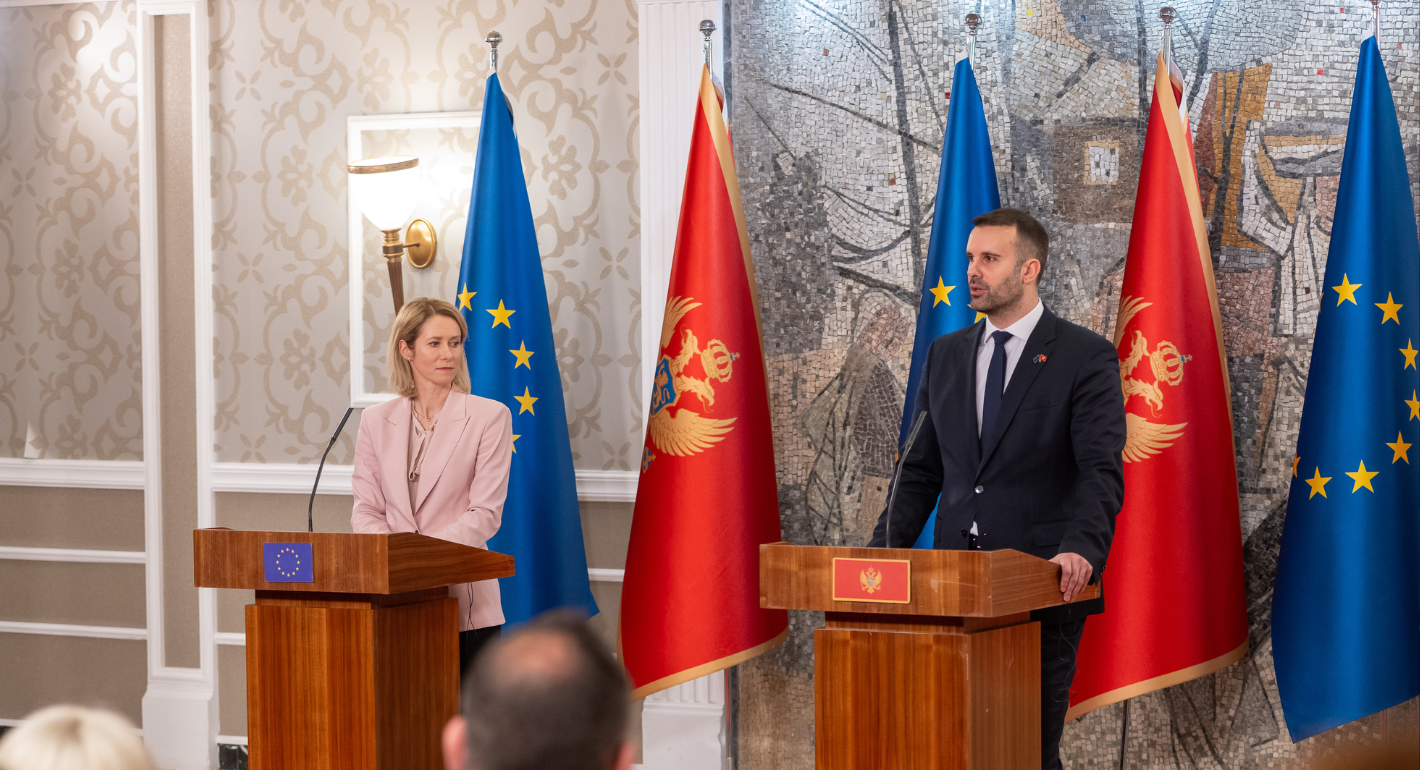
Montenegro and Albania are frontrunners for EU enlargement in the Western Balkans, but they can’t just sit back and wait. To meet their 2030 accession ambitions, they must make a strong positive case.


Dimitar Bechev, Iliriana Gjoni

This piece argues that the present Indian strategy, based on opportunistic diversification and utilization of limited strategic reserves, remains inadequate when confronting supply disruptions. It evaluates India’s options in the short, medium, and long terms.

Vrinda Sahai

Its reinstatement should be celebrated, but it retains some major shortcomings.
Leonardo Martinez-Diaz

Despite long-standing differences, China and Vietnam are reinforcing common ground for collaboration, especially in public security. This internal security–centered diplomacy offers a strengthened road map for how China moves forward with Southeast Asia.
Sophie Zhuang
Climate mobility interventions can vary, but they all present opportunities to unlock transformative results that mitigate costs associated with inaction.

Alejandro Martin Rodriguez