

Research
- +10
Rosa Balfour, Frances Z. Brown, Yasmine Farouk, …
{
  "authors": [
    "Moisés Naím"
  ],
  "type": "legacyinthemedia",
  "centerAffiliationAll": "dc",
  "centers": [
    "Carnegie Endowment for International Peace"
  ],
  "collections": [],
  "englishNewsletterAll": "americanStatecraft",
  "nonEnglishNewsletterAll": "",
  "primaryCenter": "Carnegie Endowment for International Peace",
  "programAffiliation": "ASP",
  "programs": [
    "American Statecraft"
  ],
  "projects": [
    "Carnegie Oil Initiative"
  ],
  "regions": [
    "North America",
    "South America",
    "Russia"
  ],
  "topics": [
    "Economy",
    "Trade",
    "Climate Change",
    "Security",
    "Foreign Policy"
  ]
}
Source: Getty
The world is about to discover that the substantial and totally unexpected drop in the price of crude oil may be as disruptive as the shock of oil price hikes in 1974.
Source: New York Times
The world is about to discover that the substantial and totally unexpected drop in the price of crude oil may be as disruptive as the shock of oil price hikes in 1974.
Recent news out of Russia, Venezuela and Cuba illustrate how the consequences are beginning to become apparent.In Venezuela, the economy was in shambles when oil was at $120 per barrel; with prices now sliding below $60 per barrel, the government known for its rampant corruption and woeful management is spinning out of control. Yet, President Nicolás Maduro has repeatedly claimed that the dire situation is caused by an international conspiracy and has reacted by ramping up the attacks on his critics (like me) and the repression of opposition politicians.
Venezuela’s economic collapse was an important factor in the historic change in U.S.-Cuba relations announced by President Obama and Raúl Castro on Dec. 17. Cuba’s bankrupt economy was kept afloat largely thanks to Venezuela’s massive oil subsidies since Hugo Chávez came to power in 1998. Recently, however, it became obvious that betting Cuba’s economy on Venezuela’s lifeline was too risky. Venezuela’s chaotic economy and politics increased the odds that the arrangements of the past 15 years will be harder to maintain. This surely made Cuba’s leaders more inclined to accept a thawing with the U.S. likely to spur trade and investment to the island. Thus, in very indirect but powerful ways, low oil has also been a factor in disrupting what had been a stagnant and ineffectual policy in place for over half a century.
In Russia on Monday equities in the Moscow stock market were down 11 percent, and the ruble plunged 13 percent, which meant that a quarter of the dollar value of all Russian-listed companies was wiped out in one day. The central bank reacted by raising interest rates from 10.5 percent to 17 percent. This painful move was still not enough to contain the swift and massive drop in reserves and a quickly devaluing currency driven by the huge decline in oil revenues, (75 percent of total exports and 50 percent of public budget revenues) massive capital flight and economic sanctions. The fear, of course, is that a belligerent Vladimir Putin will stir troubles abroad to distract from the dire situation at home.
This article was originally published in the New York Times.

Distinguished Fellow
Moisés Naím is a distinguished fellow at the Carnegie Endowment for International Peace, a best-selling author, and an internationally syndicated columnist.
Recent Work



Rosa Balfour, Frances Z. Brown, Yasmine Farouk, …
Moisés Naím
Carnegie does not take institutional positions on public policy issues; the views represented herein are those of the author(s) and do not necessarily reflect the views of Carnegie, its staff, or its trustees.
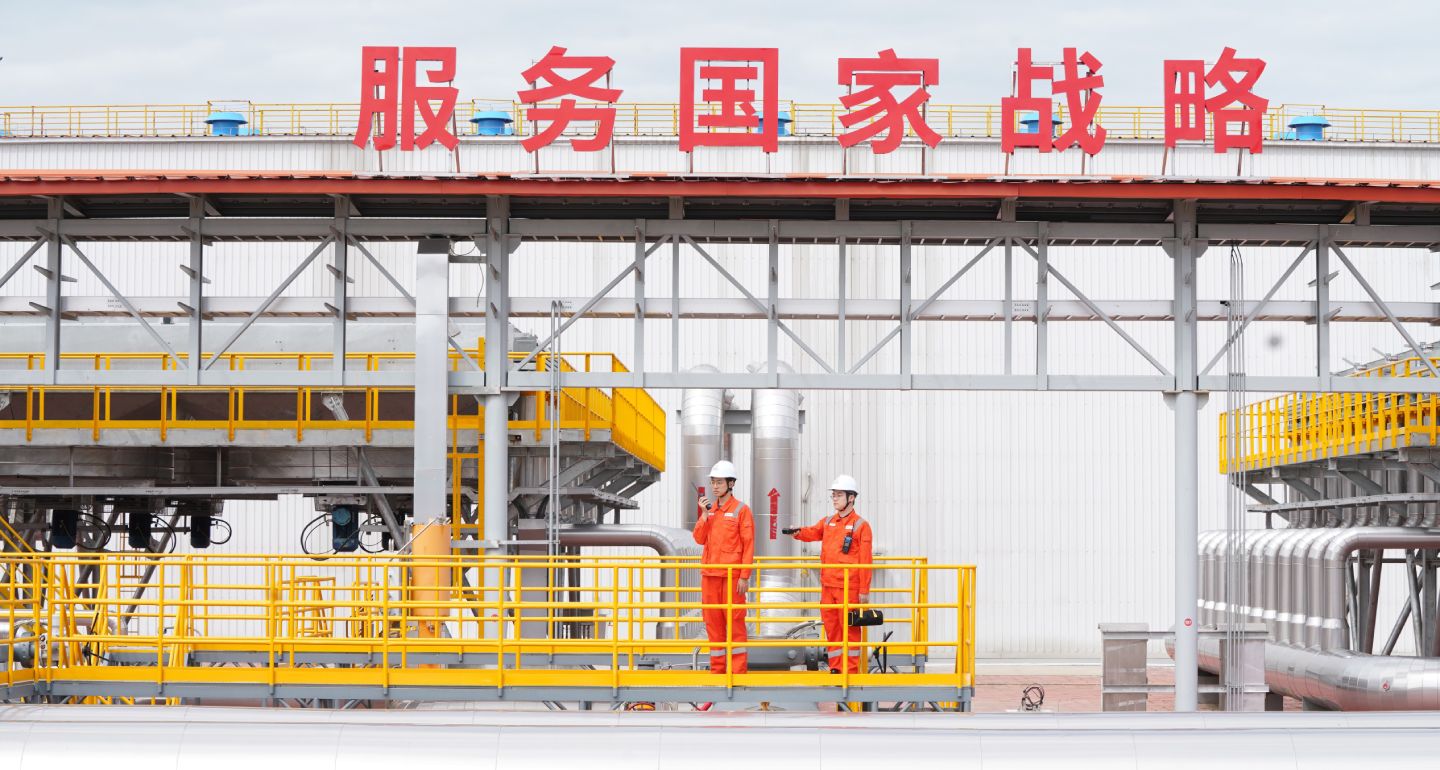
A leak of Russian gas price data helps establish that China is paying Russia far less than Central Asian countries and Gazprom’s former European customers.

Sergey Vakulenko

The EU can impose sanctions but struggles to enforce them without the United States. With Washington increasingly disinterested in backing European interests, the bloc must now fend for itself.


Nicu Popescu, Tiago Antunes
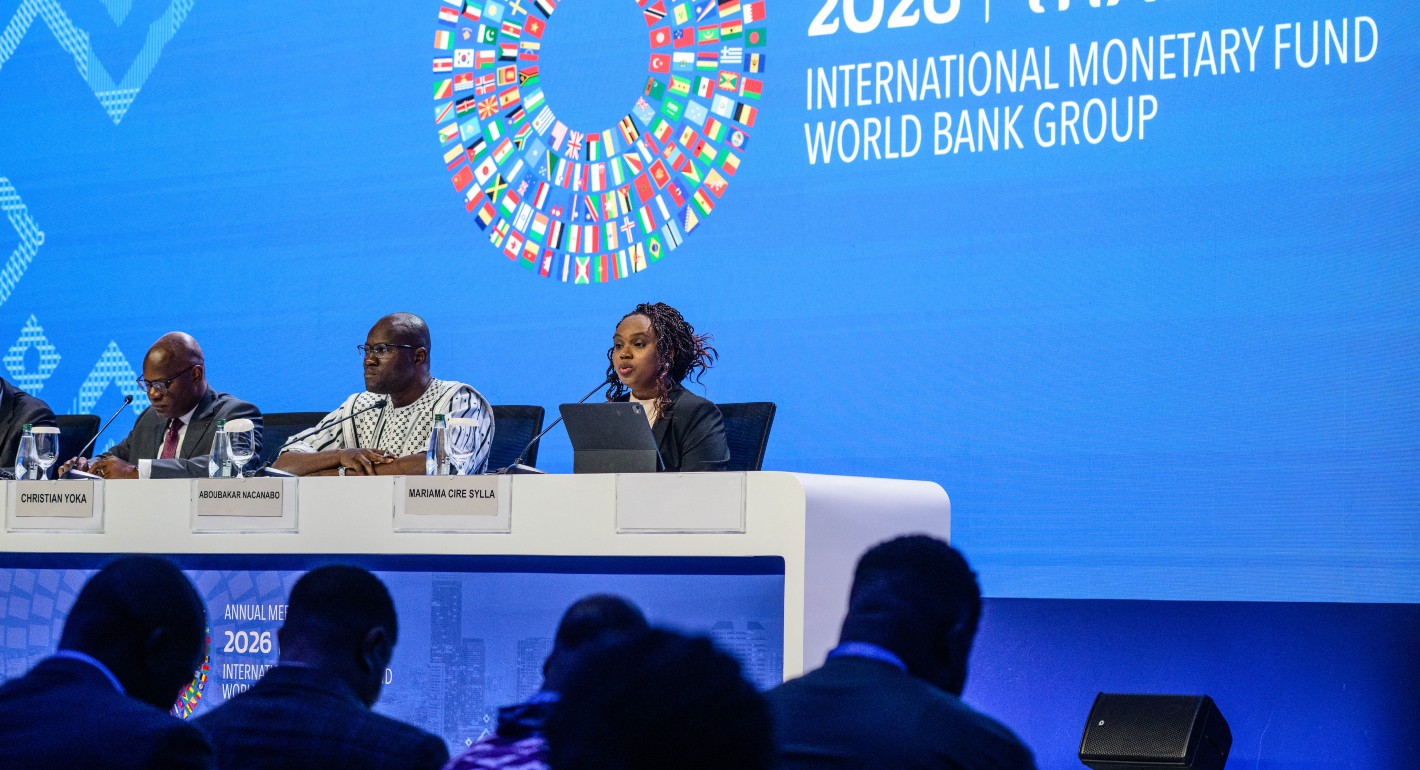
Global and rising powers will need to engage with Africa’s priorities and agency in order to secure the continent’s increasingly attractive partnerships.
Fonteh Akum
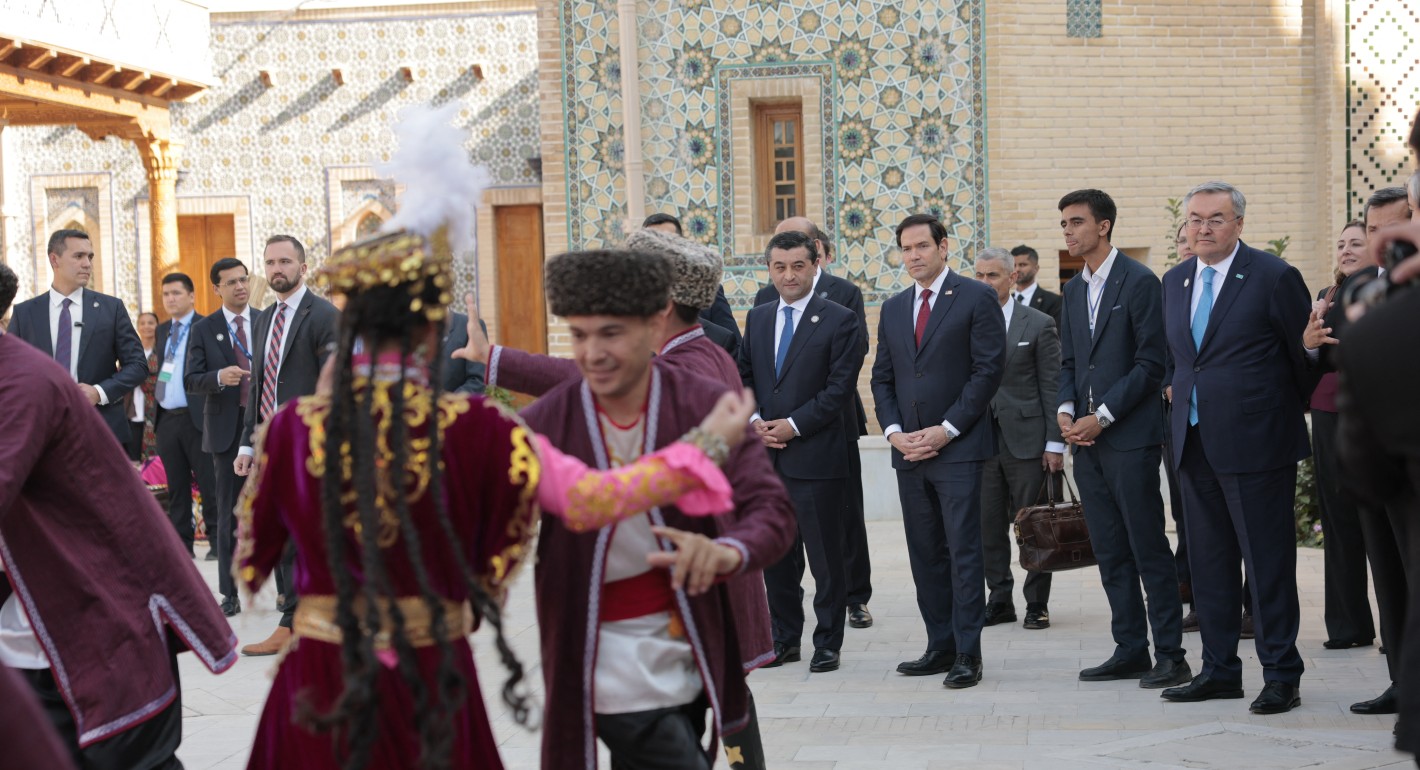
Rubio’s recent visit brought welcome attention, but more capital requires governance changes that may be a hard sell for regional governments.

Jennifer B. Murtazashvili

America’s foreign-policy objectives have grown more demanding while Americans have demanded greater focus on their own affairs.

Stephen Wertheim