

Commentary
Chung Min Lee
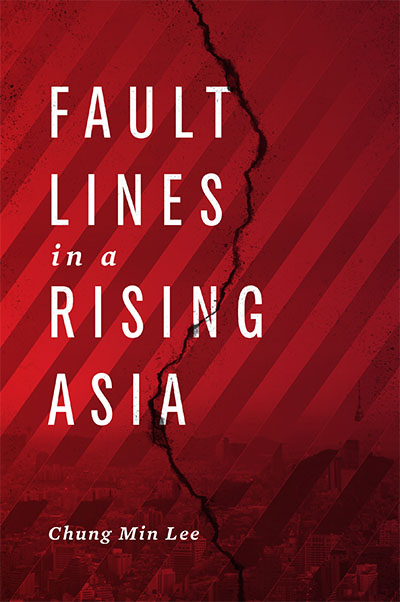
While Asia has been an unparalleled economic success, it is also home to some of the world’s most dangerous, diverse, and divisive challenges.
Source: Carnegie Endowment for International Peace
Asia has already risen by most hard-power measures. But without an understanding of the downsides of Asia’s rise, the conventional narrative is incomplete, misleading, and inaccurate.
Chung Min Lee explores the fundamental dichotomy that defines contemporary Asia. While the region has been an unparalleled economic success, it is also home to some of the world’s most dangerous, diverse, and divisive challenges. Contrary to prevailing wisdom, he says, Asia’s rise doesn’t mean the demise of the West.
“Is Asia ready for the Asian century? Chung Min Lee’s thought-provoking new book raises serious questions about whether Asia’s fragile political structures and fraught geopolitics can sustain global leadership. An important corrective to current jeremiads in America about its own decline and the remorseless rise of the East.”
—Simon Long, Banyan columnist, Economist
“Chung Min Lee—with clarity and tremendous skill—illustrates the political and military challenges that the rise of Asia has brought upon the region.”
—Kiichi Fujiwara, University of Tokyo
Senior Fellow, Asia Program
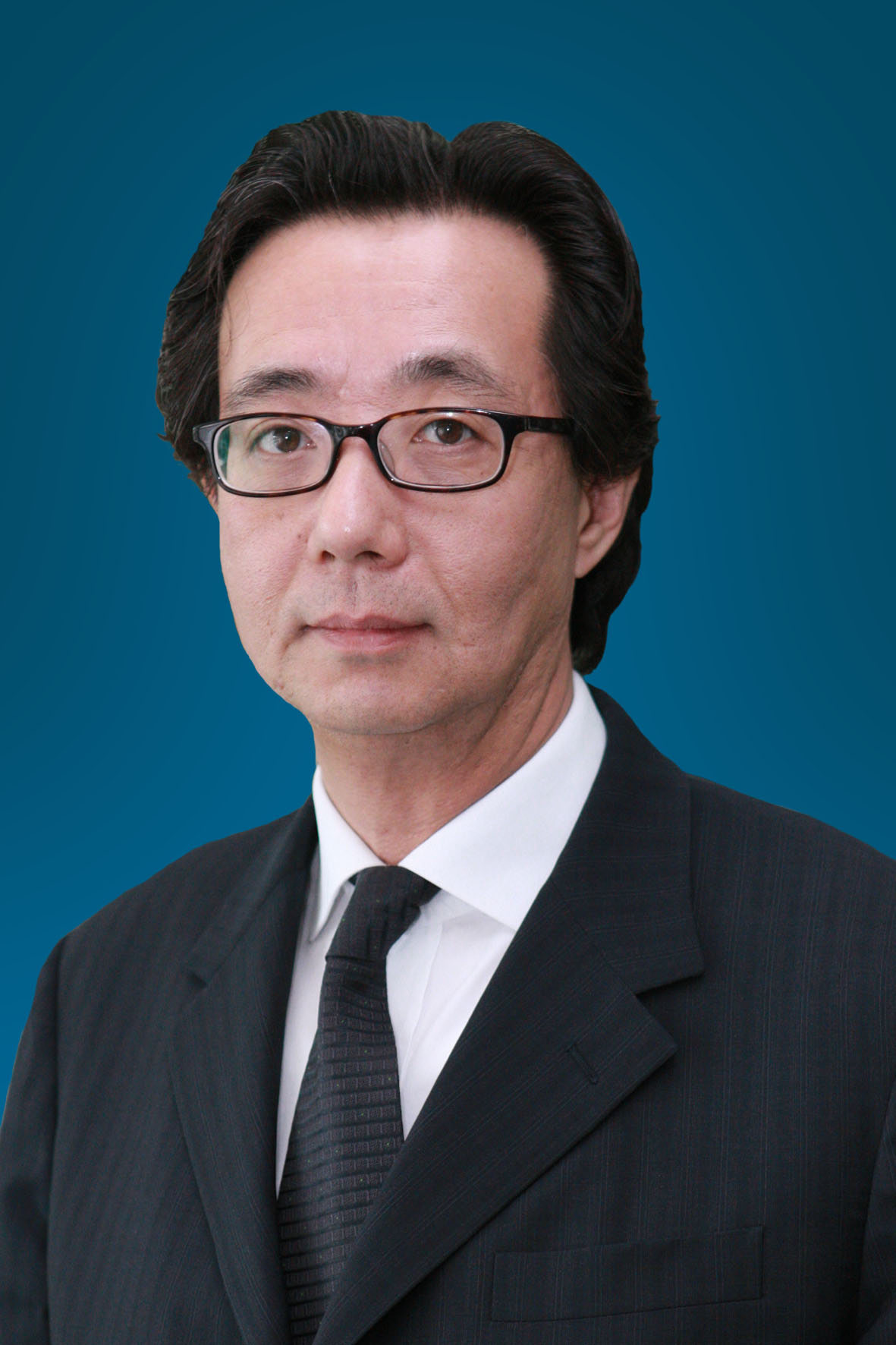
Chung Min Lee is a senior fellow in Carnegie’s Asia Program. He is an expert on Korean and Northeast Asian security, defense, intelligence, and crisis management.
Recent Work
Chung Min Lee
Carnegie does not take institutional positions on public policy issues; the views represented herein are those of the author(s) and do not necessarily reflect the views of Carnegie, its staff, or its trustees.

Russia’s AI-driven propaganda campaigns operate in a fragmented, chaotic, and often illogical manner. That’s not necessarily a problem for the Kremlin, though: It’s much easier to mimic genuine public debate that way.

Ilya Klishin

Ahead of a tough winter for Ukraine, Donald Trump’s swing back toward Russia bodes ill. But instead of panicking, Kyiv’s European allies are focusing on action.

Rym Momtaz

Without a ceasefire with Ukraine on attacking each other’s energy infrastructure—to which the Kremlin is unlikely to agree—the diesel agreement between Putin and Trump is largely for show, rather than representing a genuine increase in the volumes of Russian diesel on the global market.

Sergey Vakulenko

Funding Ukraine remains a priority for European leaders. As Russia’s war of aggression heads into another winter, two feasible options to mobilize support for Kyiv should be fast-tracked.


Vladyslav Rashkovan, Gregory P. Wilson

Russian strikes are weakening the economy sustaining Ukraine’s war effort. Closing the growing funding gap will require more European support and politically contentious reforms in Kyiv.

Balázs Jarábik