

Commentary
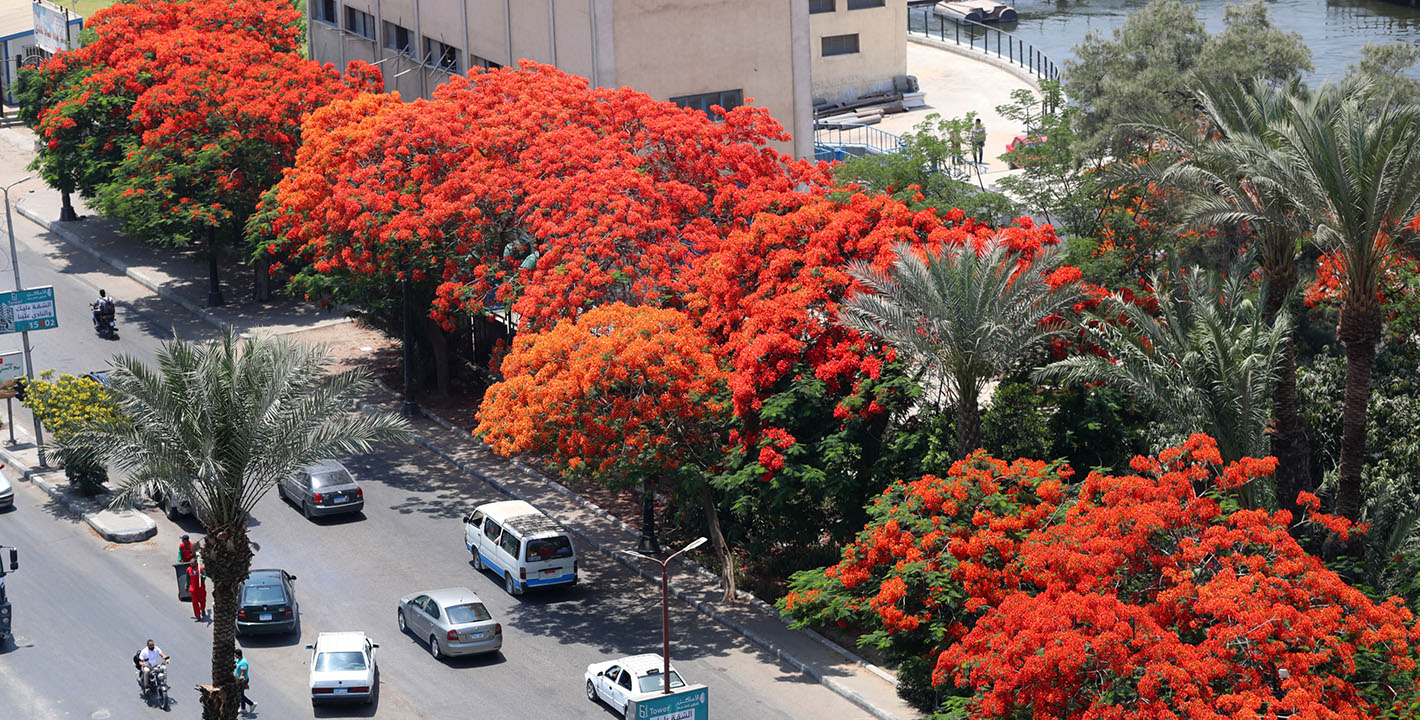
In Egypt’s dense cities, the disappearance of foliage has health implications and punishes daily commuters.
Angie Omar
{
  "authors": [
    "Nathan J. Brown",
    "Amr Hamzawy",
    "Marina Ottaway",
    "Paul Salem"
  ],
  "type": "other",
  "centerAffiliationAll": "dc",
  "centers": [
    "Carnegie Endowment for International Peace"
  ],
  "collections": [],
  "englishNewsletterAll": "menaTransitions",
  "nonEnglishNewsletterAll": "",
  "primaryCenter": "Carnegie Endowment for International Peace",
  "programAffiliation": "MEP",
  "programs": [
    "Middle East"
  ],
  "projects": [],
  "regions": [
    "Middle East",
    "Israel",
    "Egypt",
    "Lebanon"
  ],
  "topics": [
    "Political Reform",
    "Foreign Policy"
  ]
}
REQUIRED IMAGE
Carnegie Middle East experts provide a briefing on the situation in Lebanon and the Middle East Peace Process.
Source: May 16
President Bush traveled to the Middle East to celebrate Israel’s 60th anniversary. During his trip, Carnegie Middle East experts provided a briefing on the situation in Lebanon and the status of the Israeli-Palestinian Peace Process.
Nonresident Senior Fellow, Middle East Program
Nathan J. Brown, a professor of political science and international affairs at George Washington University, is a distinguished scholar and author of nine books on Arab politics and governance, as well as editor of five books.

Director, Middle East Program
Amr Hamzawy is a senior fellow and the director of the Carnegie Middle East Program. His research and writings focus on Egypt’s and other middle powers’ involvement in regional security in the Middle East, particularly through collective diplomacy and multilateral conflict resolution

Former Senior Associate, Middle East Program
Before joining the Endowment, Ottaway carried out research in Africa and in the Middle East for many years and taught at the University of Addis Ababa, the University of Zambia, the American University in Cairo, and the University of the Witwatersrand in South Africa.
Senior Fellow at the Middle East Institute
Paul Salem is a senior fellow at the Middle East Institute.
Carnegie does not take institutional positions on public policy issues; the views represented herein are those of the author(s) and do not necessarily reflect the views of Carnegie, its staff, or its trustees.
In Egypt’s dense cities, the disappearance of foliage has health implications and punishes daily commuters.

Angie Omar

It should address the shortcomings of previous crisis communication efforts and adapt to the demands of frontier AI.

Lucy Luo

If the Russian-speaking community in Latvia cannot articulate their interests without being seen as disloyal, they could end up embracing a pro-Kremlin agenda.

Sergejs Potapkins

Washington’s decision to support some UN functions while letting others wither is pulling the organization apart at the seams.

Stewart Patrick, Theodore Zaritsky

Are Germany’s economic, industrial, and political struggles becoming a liability for the EU’s ability to rise to the geopolitical moment?

Rym Momtaz, ed.