• Research
  • Emissary
  • About
  • Experts
Carnegie Global logoCarnegie lettermark logo
DemocracyIran
  • Donate
{
  "authors": [
    "Marwan Muasher"
  ],
  "type": "legacyinthemedia",
  "centerAffiliationAll": "dc",
  "centers": [
    "Carnegie Endowment for International Peace",
    "Malcolm H. Kerr Carnegie Middle East Center"
  ],
  "collections": [
    "Arab Awakening"
  ],
  "englishNewsletterAll": "menaTransitions",
  "nonEnglishNewsletterAll": "",
  "primaryCenter": "Carnegie Endowment for International Peace",
  "programAffiliation": "MEP",
  "programs": [
    "Middle East"
  ],
  "projects": [],
  "regions": [
    "Middle East",
    "North Africa",
    "Syria",
    "Yemen",
    "Egypt",
    "Gulf",
    "Levant",
    "Maghreb"
  ],
  "topics": [
    "Political Reform"
  ]
}
Source: Getty

In The Media

The Need for Real Reform in the Arab World

Rather than continuing with the reform rhetoric heard in many Arab countries, rulers who wish to remain in power must engage in serious, measurable, and inclusive efforts at real reform.

Link Copied
By Marwan Muasher
Published on Jun 5, 2011
Program mobile hero image

Program

Middle East

The Middle East Program in Washington combines in-depth regional knowledge with incisive comparative analysis to provide deeply informed recommendations. With expertise in the Gulf, North Africa, Iran, and Israel/Palestine, we examine crosscutting themes of political, economic, and social change in both English and Arabic.

Learn More

Source: ABC's This Week

Speaking on ABC’s This Week, Marwan Muasher discussed the situation in Syria, the role of the Muslim Brotherhood in the Arab Spring, and the serious challenges facing Yemen.

About the Author

Marwan Muasher

Vice President for Studies

Marwan Muasher is vice president for studies at Carnegie, where he oversees research in Washington and Beirut on the Middle East. Muasher served as foreign minister (2002–2004) and deputy prime minister (2004–2005) of Jordan, and his career has spanned the areas of diplomacy, development, civil society, and communications.

    Recent Work

  • Q&A
    The Myriad Problems With the Iran Ceasefire
      • Andrew Leber
      • Eric Lob
      • +1

      Amr Hamzawy, Andrew Leber, Eric Lob, …

  • Commentary
    The Iran War Is Uncovering the Weakness in U.S.-Gulf Ties

      Marwan Muasher

Marwan Muasher
Vice President for Studies
Marwan Muasher
Political ReformMiddle EastNorth AfricaSyriaYemenEgyptGulfLevantMaghreb

Carnegie does not take institutional positions on public policy issues; the views represented herein are those of the author(s) and do not necessarily reflect the views of Carnegie, its staff, or its trustees.

More Work from Carnegie Endowment for International Peace

  • People standing on rocks in the ocean near the shore, with soldiers in the foreground
    Commentary
    Emissary
    The Migration Wave That Embarrassed Morocco and Rattled Europe

    Most migrants may have left Ceuta, but the effects may linger.

      • Alejandro Rodriguez
      • Sarah Yerkes

      Alejandro Martin Rodriguez, Sarah Yerkes
  • Shadowed figure lighting grocery store shelves
    Commentary
    Emissary
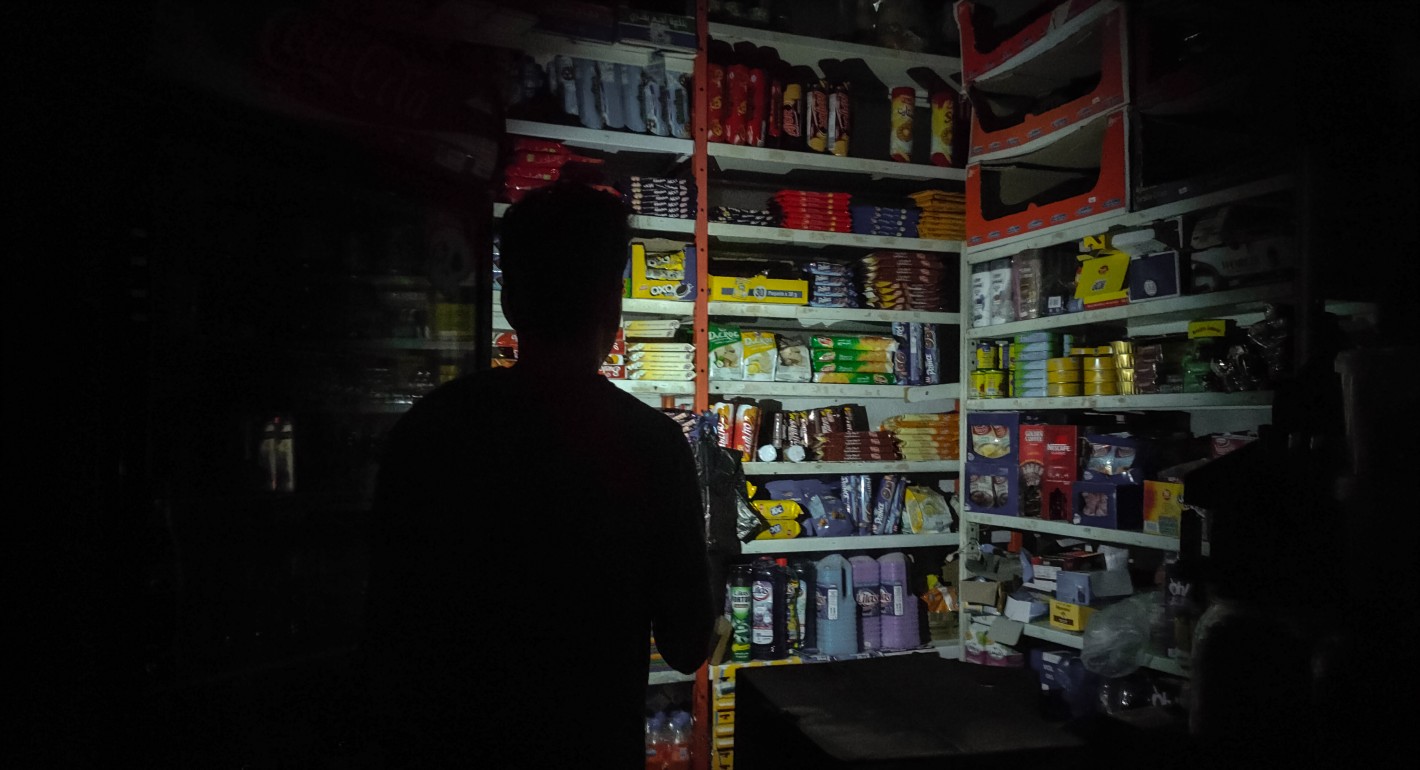
    Five Years After His Power Grab, Tunisia’s President Has Only Achieved Failure

    Saied’s main accomplishment has been to destroy a decade’s worth of democratic progress.

      • Sarah Yerkes

      Sarah Yerkes

  • Port cranes at sunset
    Commentary
    Emissary
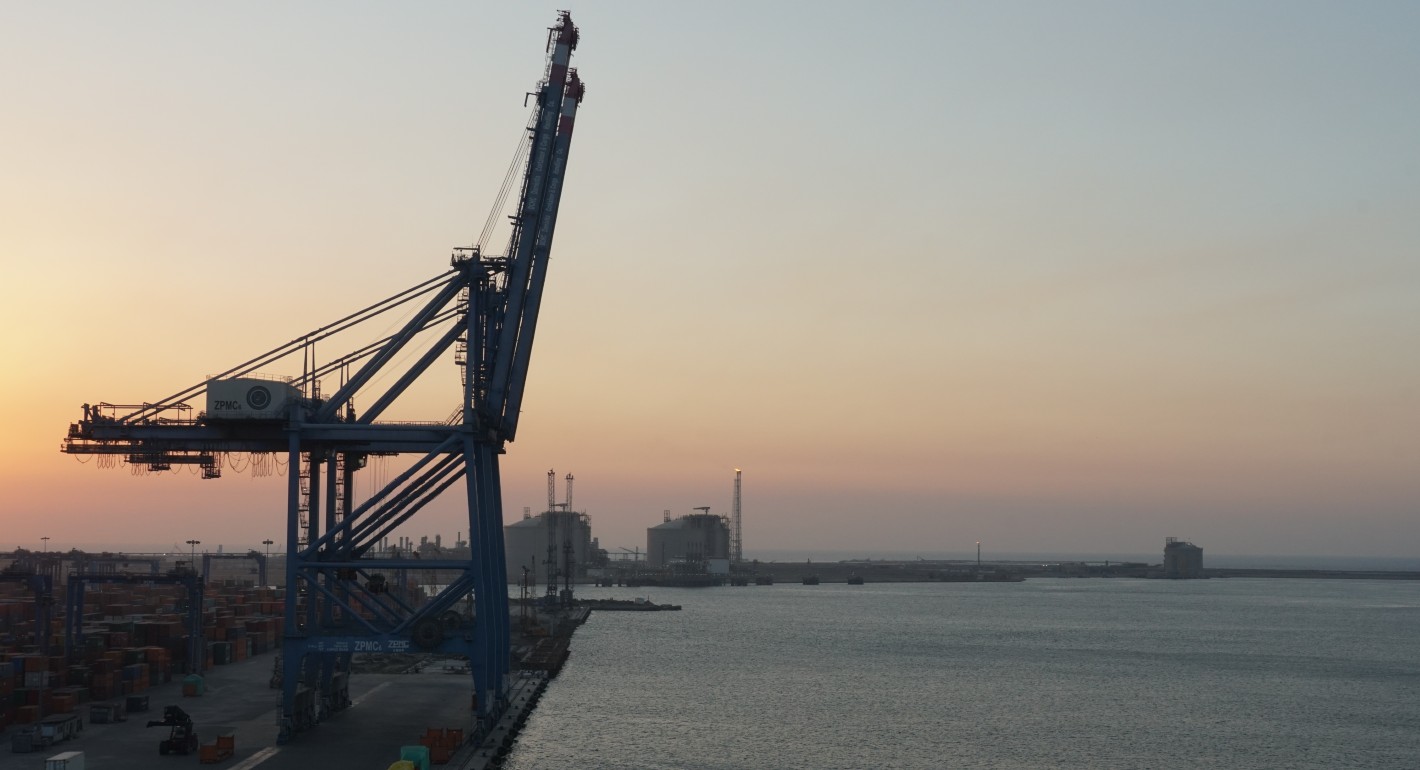
    The Drone Attack on Egypt and the Widening Middle East War

    The targeting of Damietta Port appears to be more than a mere security message.

      Amr Hamzawy
  • Commentary
    Diwan
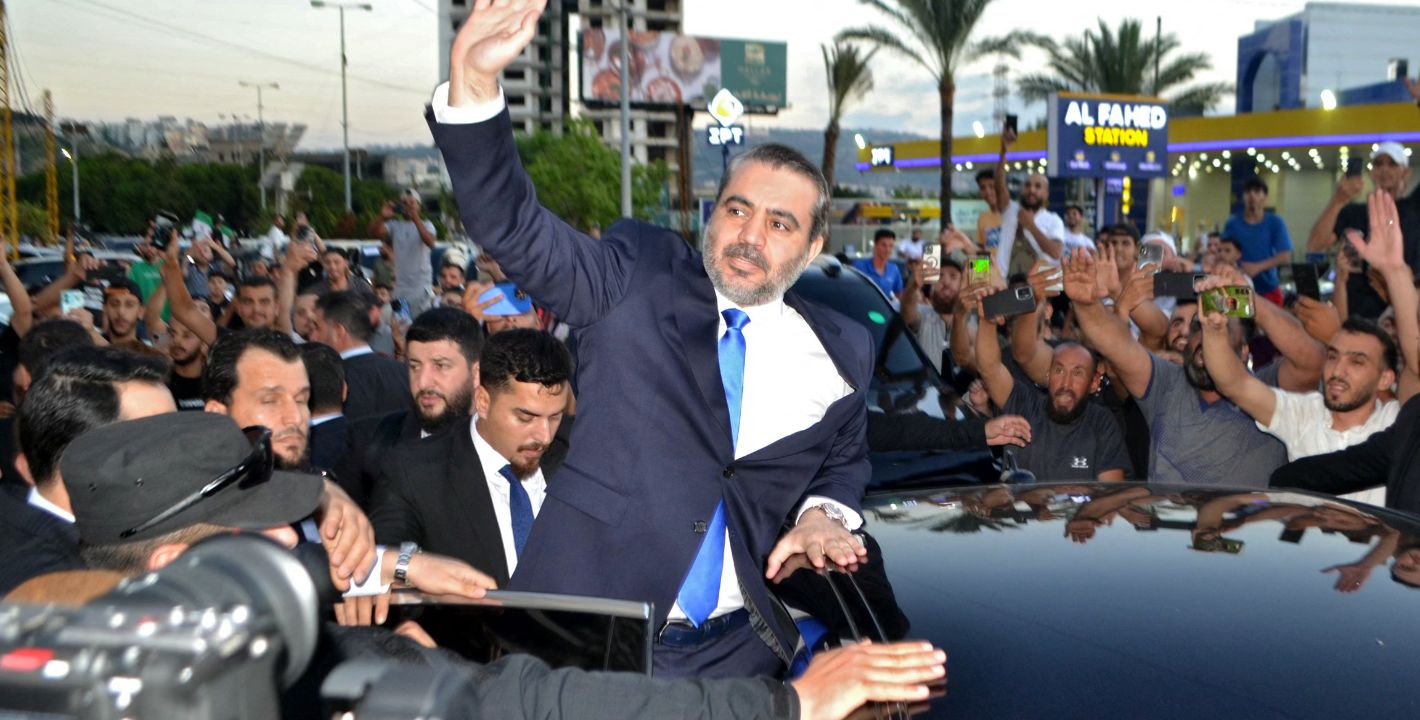
    Whither the Lebanon-Syria Relationship?

    In an interview, Sohaib Jawhar analyzes the profound changes in the ties between the neighboring countries.

      Michael Young

  • Commentary
    Sada
    The Channels of China’s Currency Promotion in Gulf Markets

    Is the Gulf moving beyond the dollar? This article examines how China is expanding the renminbi's role across Gulf markets, what that means for regional finance, and why the future of global currencies is more complex than the de-dollarization debate suggests.

      Andrew Bonney

Get more news and analysis from
Carnegie Endowment for International Peace
Carnegie global logo, stacked
1779 Massachusetts Avenue NWWashington, DC, 20036-2103Phone: 202 483 7600
  • Research
  • Emissary
  • About
  • Experts
  • Donate
  • Programs
  • Events
  • Blogs
  • Podcasts
  • Contact
  • Annual Reports
  • Careers
  • Privacy
  • For Media
  • Government Resources
Get more news and analysis from
Carnegie Endowment for International Peace
© 2026 Carnegie Endowment for International Peace. All rights reserved.