

Commentary
Marc Pierini
{
  "authors": [
    "Marc Pierini"
  ],
  "type": "legacyinthemedia",
  "centerAffiliationAll": "dc",
  "centers": [
    "Carnegie Endowment for International Peace",
    "Carnegie Europe",
    "Malcolm H. Kerr Carnegie Middle East Center"
  ],
  "collections": [
    "Turkey’s Transformation"
  ],
  "englishNewsletterAll": "ctw",
  "nonEnglishNewsletterAll": "",
  "primaryCenter": "Carnegie Europe",
  "programAffiliation": "EP",
  "programs": [
    "Europe"
  ],
  "projects": [],
  "regions": [
    "Middle East",
    "Europe",
    "Türkiye",
    "Gulf",
    "Levant",
    "Iraq",
    "Syria",
    "Iran"
  ],
  "topics": [
    "Political Reform",
    "Security"
  ]
}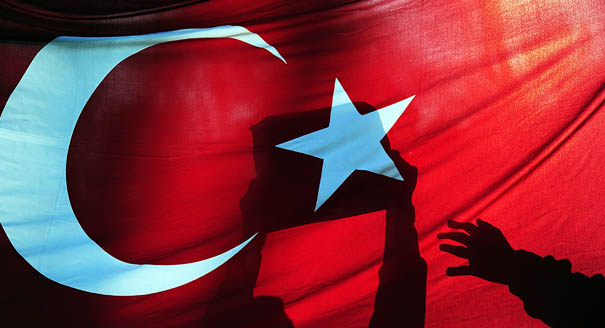
Source: Getty
After military operations against the self-styled Islamic State in Syria and Kurdish separatists in Northern Iraq, Turkey’s strategy seems to be at a turning point.
Source: Australian Broadcasting Corporation
Turkey has called a special meeting of NATO ambassadors to discuss military operations against the self-styled Islamic State and Kurdish separatists, known as the PKK.
Turkey has been a reluctant ally in the campaign against the Islamic State, allowing the use of Turkish military bases for anti–Islamic State coalition air strikes but refusing to provide any military support of its own. But last week's bombing of a cultural center in Turkey by a man with suspected links to the Islamic State appears to have been a turning point.On July 24, Turkey launched its own wave of air strikes against the Islamic State in Syria. And, in a move that could vastly complicate the fight, Ankara also renewed its attacks against Kurdish militants in Northern Iraq, ending a shaky two-year ceasefire with the PKK, the Kurdistan People’s Party. In a parallel operation, antiterrorism police arrested almost 600 people accused of supporting the Islamic State or the PKK.
Kurdish forces have played a key role in the battle against the Islamic State, proving to be a far more effective fighting force than the Iraqi army, but Turkey has long been anxious about the consequences of arming the Kurds against the Islamic State.
On RN Breakfast, Marc Pierini discussed Turkey’s strategy with Fran Kelly.
This broadcast was originally aired on the Australian Broadcast Corporation’s RN Breakfast.

Senior Fellow, Carnegie Europe
Marc Pierini is a senior fellow at Carnegie Europe, where his research focuses on developments in the Middle East and Turkey from a European perspective.
Recent Work
Marc Pierini
Marc Pierini
Carnegie does not take institutional positions on public policy issues; the views represented herein are those of the author(s) and do not necessarily reflect the views of Carnegie, its staff, or its trustees.
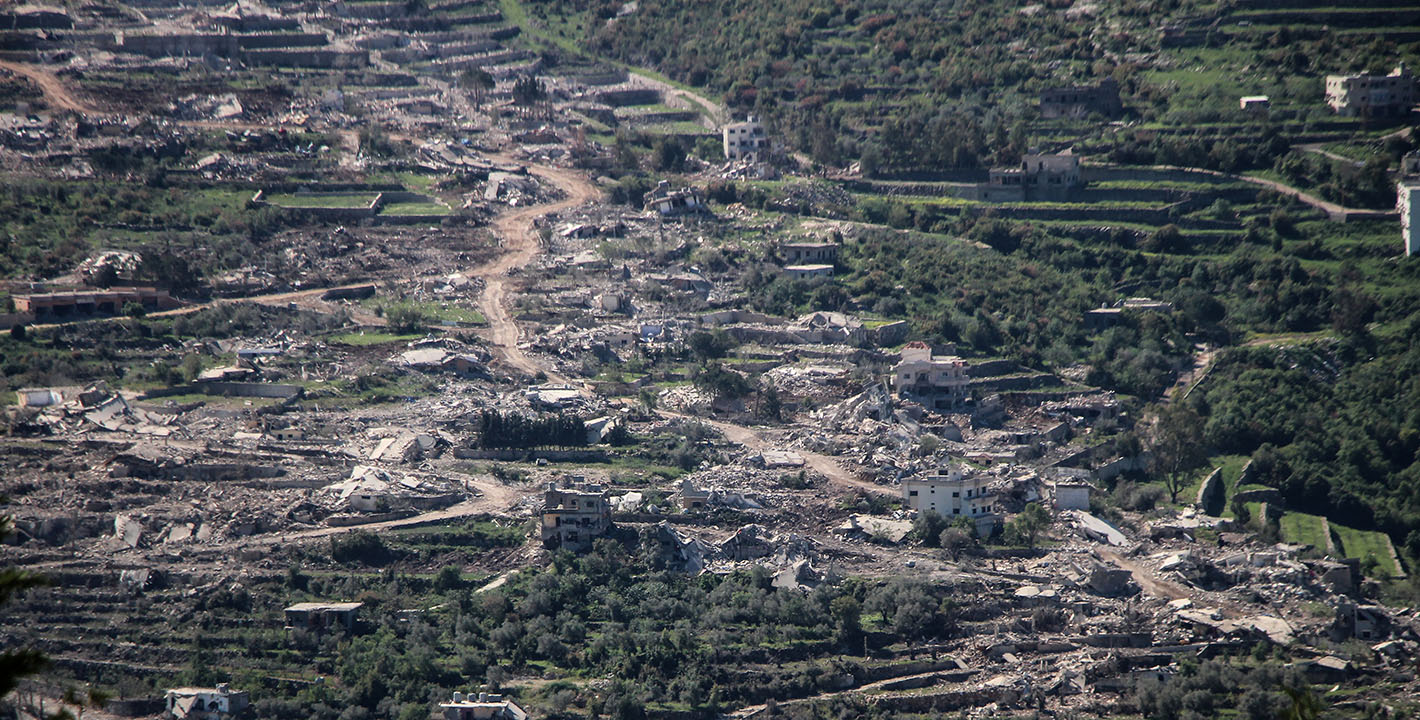
As negotiations with Iran and Lebanon continue, chaos is at the heart of the Netanyahu government’s calculations.

Michael Young
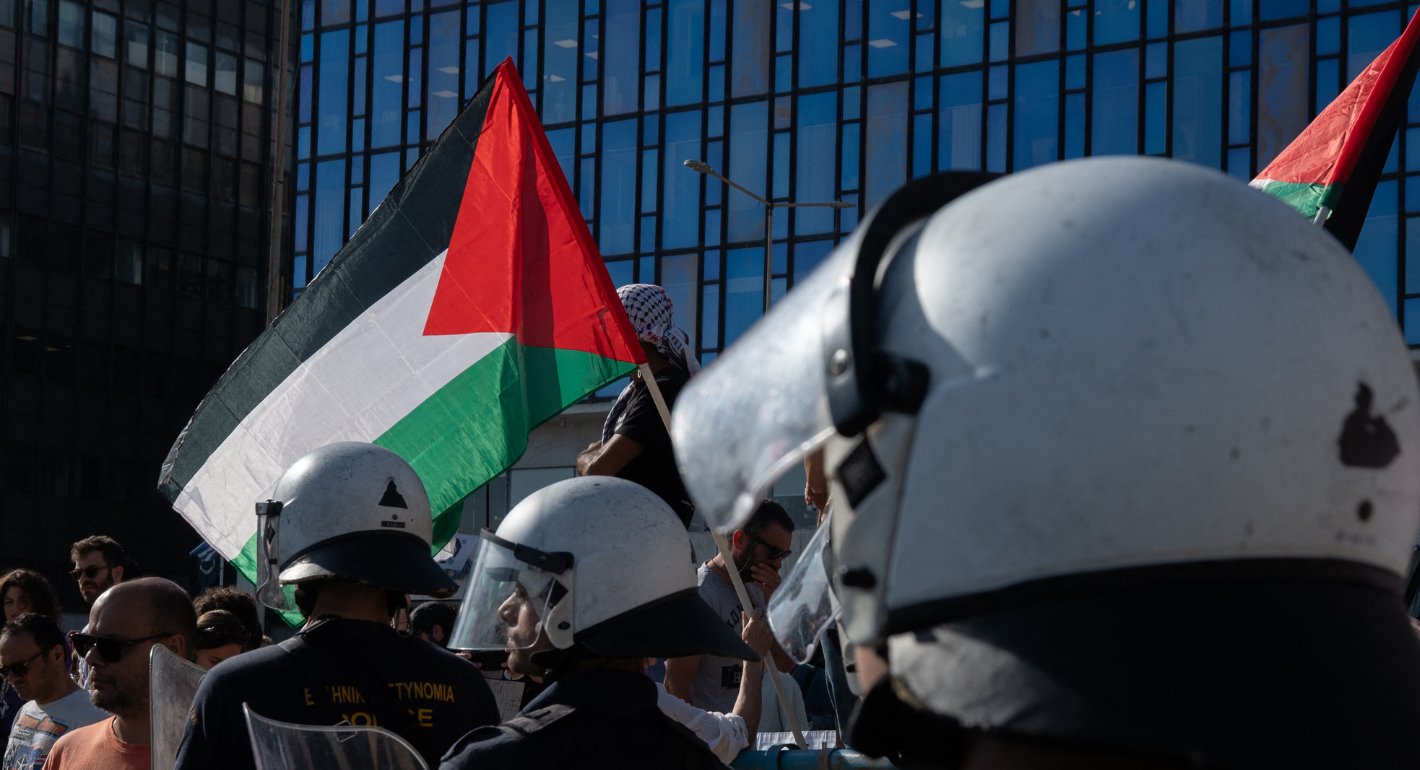
The battle over free speech has taken center stage since U.S. Vice President JD Vance accused Europe of censorship. From travel bans to social media regulation, especially around the Israel-Palestine conflict, are liberal democratic governments weaponizing free speech?

Rym Momtaz, ed.
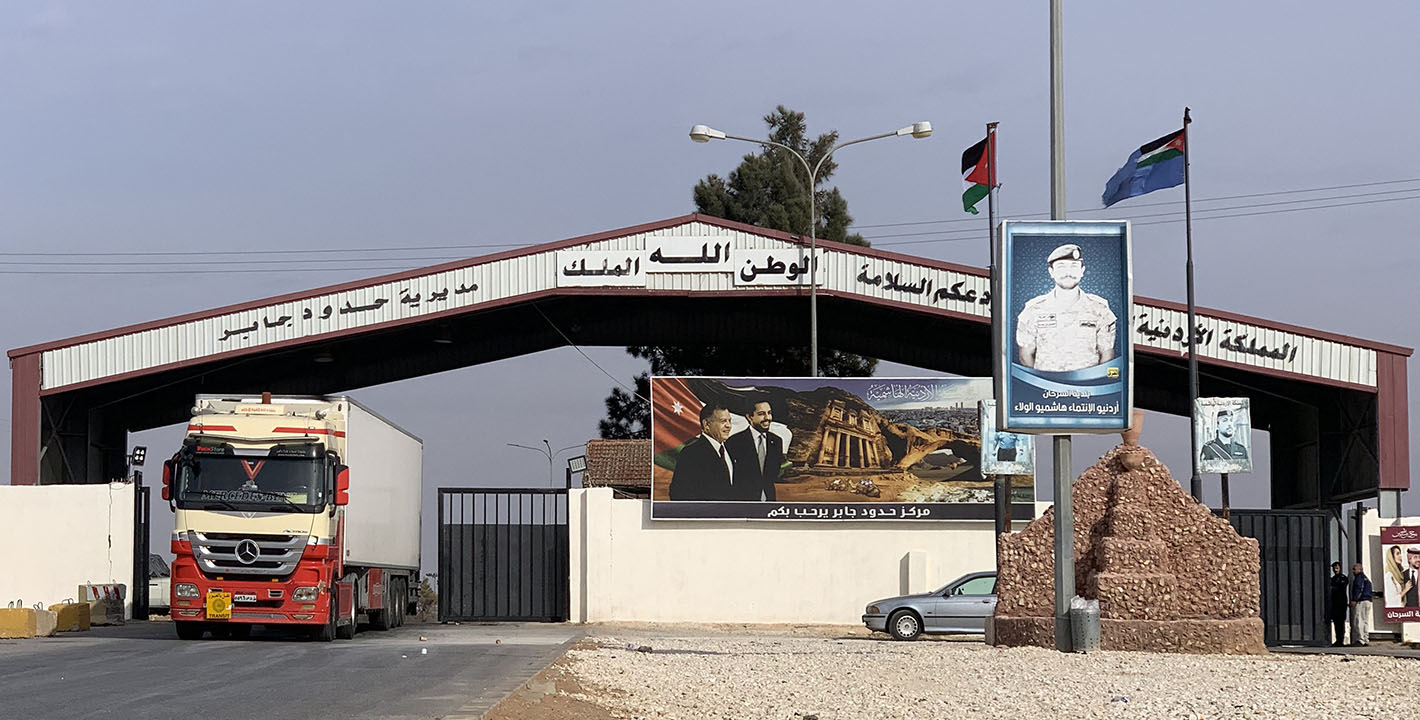
Trade statistics show why Amman has more reason than Damascus to welcome the improvement in bilateral commerce.

Armenak Tokmajyan
Europe seems to have accepted its sidelining in the Middle East. The EU must reassert its support for the international rules-based order and step up engagement.
Rym Momtaz
By reminding the world that Lukashenko is a threat to NATO and Ukraine, Kyiv is trying to return the focus to why the Belarusian regime needs to be contained rather than rewarded.

Artyom Shraibman