

In The Media
Jessica Tuchman Mathews
{
  "authors": [
    "Jessica Tuchman Mathews"
  ],
  "type": "other",
  "centerAffiliationAll": "",
  "centers": [
    "Carnegie Endowment for International Peace"
  ],
  "collections": [],
  "englishNewsletterAll": "",
  "nonEnglishNewsletterAll": "",
  "primaryCenter": "Carnegie Endowment for International Peace",
  "programAffiliation": "",
  "programs": [],
  "projects": [],
  "regions": [
    "North America",
    "United States",
    "East Asia",
    "North Korea"
  ],
  "topics": [
    "Security",
    "Foreign Policy",
    "Nuclear Policy",
    "Arms Control"
  ]
}
Source: Getty
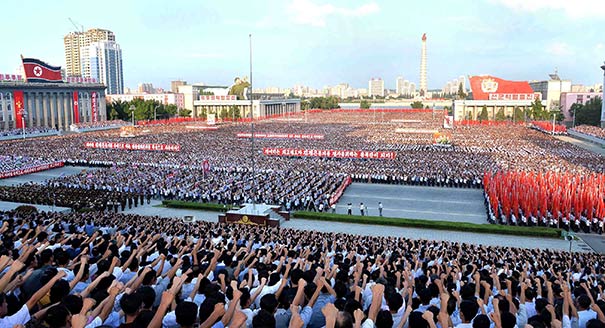
It is uncertain at best whether a Trump–Kim meeting will actually take place. If one does, the central issue will be the huge discrepancy between what the United States and the North Koreans mean by the phrase “committed to denuclearization.”
Source: New York Review of Books
After six years in which he never traveled outside his country, never met with a foreign head of state, and maintained relations ranging from frosty to terrible with South Korea, China, and the United States, Kim Jong-un opened up to all three of those countries over three stunning weeks in March. He established a direct line of communication with the South for the first time in eleven years, scheduled an April meeting with South Korean president Moon Jae-in, invited President Trump to a summit meeting currently planned for May, and then traveled secretly to China for meetings with Chinese president Xi Jinping.
In all likelihood, Kim has emerged from his seclusion because of the rapid advance of North Korea’s nuclear and missile programs. In 2017 twenty missile tests followed one another in quick succession. During the year North Korea demonstrated that it had both mobile and solid-fuel missiles. (The latter can be readied for launch much more quickly than liquid-fuel models and are therefore harder to target and destroy.) The climax came in the fall. On September 3, North Korea tested a weapon that US experts have concluded was a hydrogen bomb. Two months later, on November 28, it successfully launched a new intercontinental ballistic missile with a range of 8,100 miles, and thus able to reach anywhere in the United States. North Korea has not yet shown that it can build a missile warhead capable of surviving the stresses of atmospheric reentry, but that appears to be its only remaining technological hurdle.
In addition to an unknown number of nuclear weapons, North Korea has an arsenal of chemical weapons and at least some of the advanced equipment needed to produce biological weapons. The discovery of antibodies to anthrax and smallpox in the blood of North Korean defectors indicates that the country has produced these two agents. It has possibly worked with cholera and plague as well. Satellite photographs taken in January and February suggest that a nuclear reactor may now be producing plutonium. Kim may be balancing diplomacy with a not-so-subtle reminder of his commitment to nuclear weapons, or adding a bargaining chip to his pile...
This piece was originally published in the May 10 issue of the New York Review of Books.

Distinguished Fellow
Mathews is a distinguished fellow at the Carnegie Endowment for International Peace. She served as Carnegie’s president for 18 years.
Recent Work
Jessica Tuchman Mathews
Jessica Tuchman Mathews
Carnegie does not take institutional positions on public policy issues; the views represented herein are those of the author(s) and do not necessarily reflect the views of Carnegie, its staff, or its trustees.
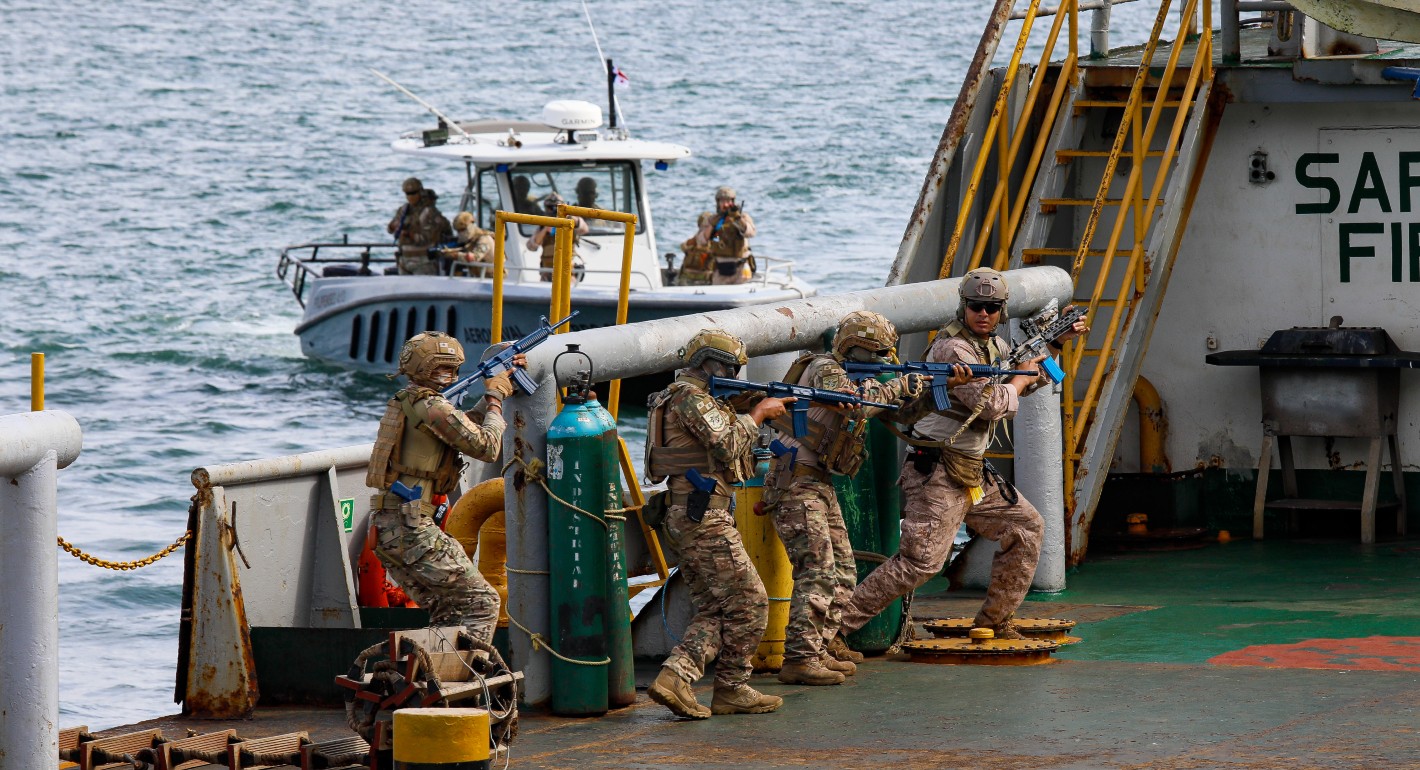
By focusing only on hard security, the Shield ignores the conditions that fuel cartel power.


Alejandro Martin Rodriguez, Kayly Ober

In any defense establishment, change is an ongoing process. However, despite the best of intentions, existing bureaucracies, bound by habit and years of socialization, have their limits in implementing transformative change.

Anit Mukherjee

In supporting Europe’s far-right, MAGA and Russia both want the same thing: a weaker EU. Europe must defend itself without abandoning the openness these forces exploit.

Armida van Rij
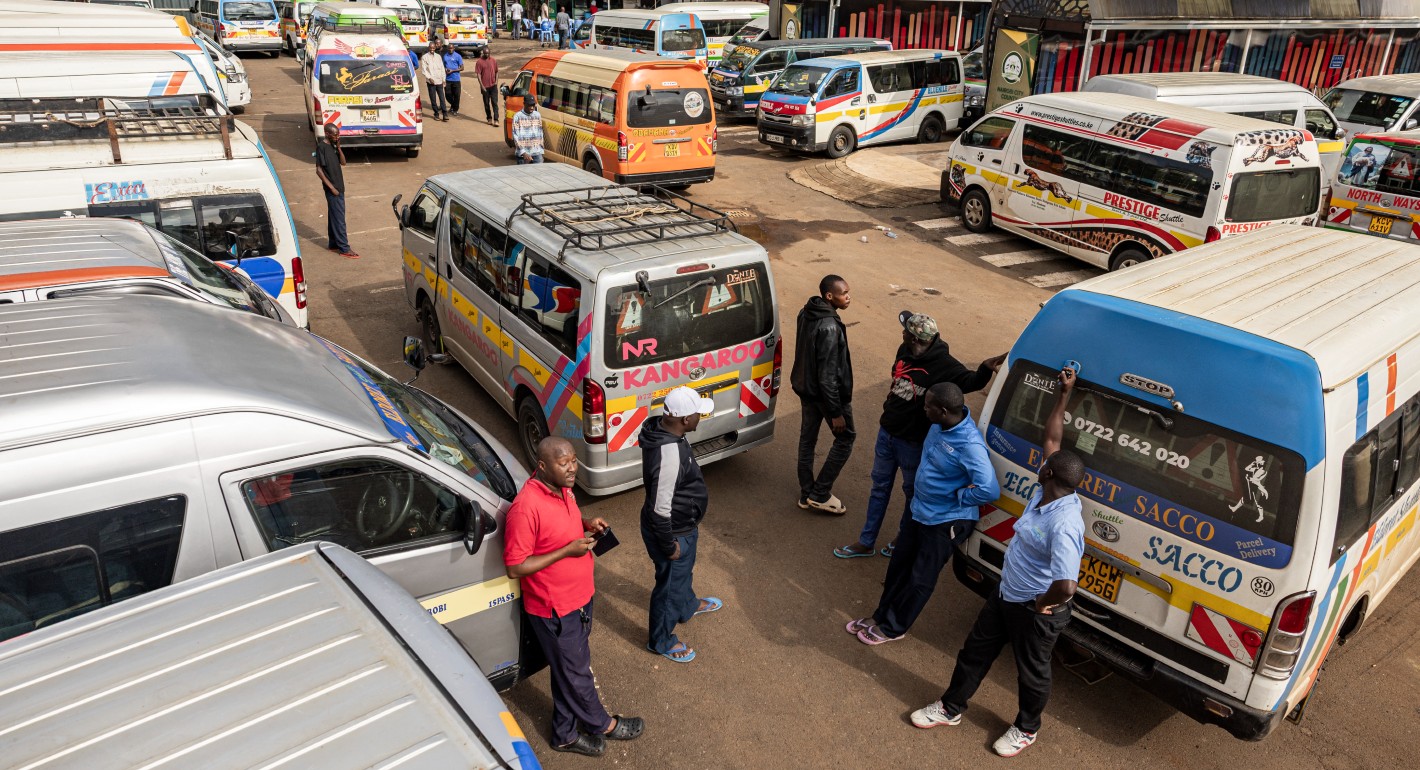
The conflict has sent economic and political shock waves through a country with no representation at the negotiating table—and Kenya is not alone.
Georgia Schaefer-Brown, Jane Munga
Nuclear and maritime communities face a long and challenging journey to deploy commercial nuclear applications at sea.


Jamie Kwong, Toby Dalton