

Article
Paul Stronski
{
  "authors": [
    "Paul Stronski"
  ],
  "type": "legacyinthemedia",
  "centerAffiliationAll": "dc",
  "centers": [
    "Carnegie Endowment for International Peace"
  ],
  "collections": [],
  "englishNewsletterAll": "ctw",
  "nonEnglishNewsletterAll": "",
  "primaryCenter": "Carnegie Endowment for International Peace",
  "programAffiliation": "russia",
  "programs": [
    "Russia and Eurasia"
  ],
  "projects": [
    "Changing Geopolitics of Eurasia"
  ],
  "regions": [
    "Central Asia",
    "Kazakhstan",
    "Kyrgyz Republic",
    "Tajikistan",
    "Turkmenistan",
    "Uzbekistan",
    "Caucasus"
  ],
  "topics": [
    "Political Reform",
    "Foreign Policy"
  ]
}
Source: Getty
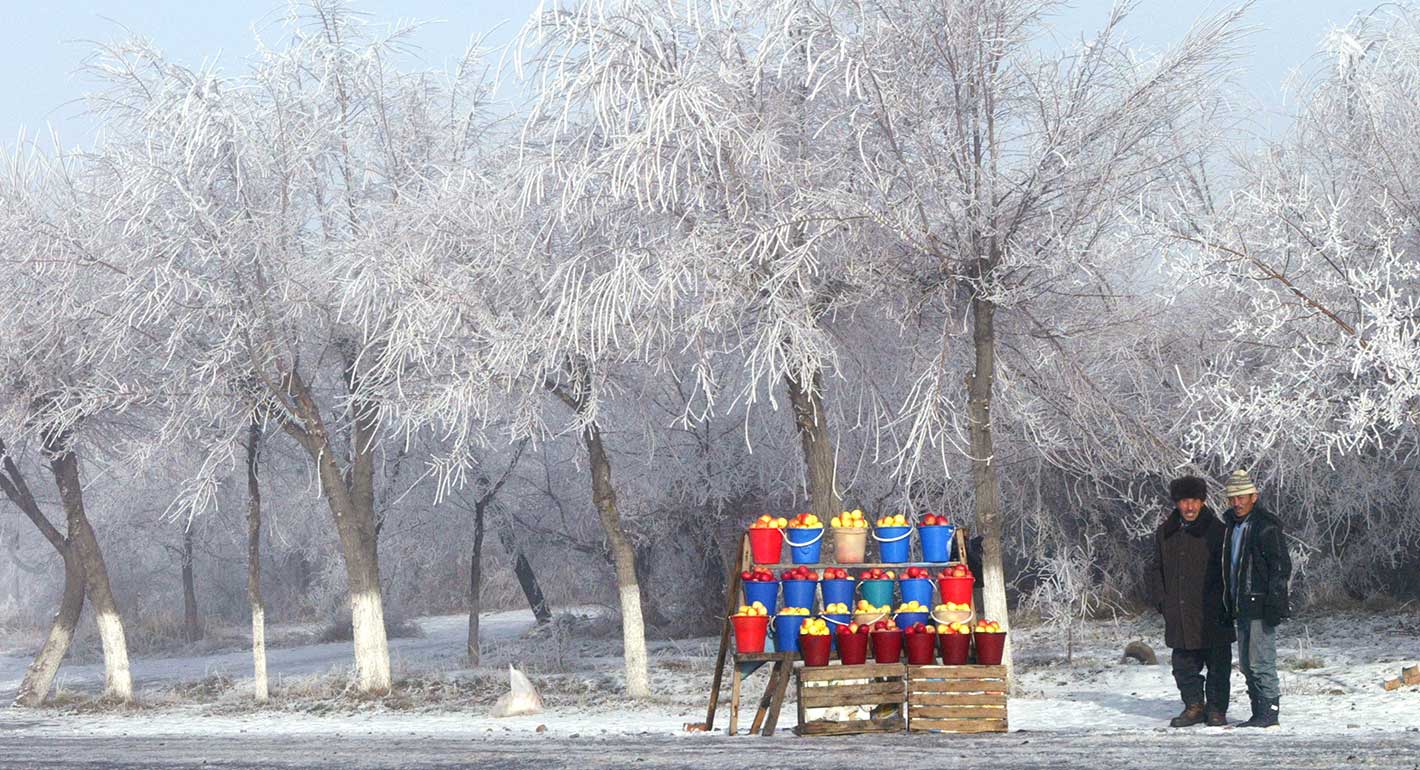
Brighter prospects for Central Asian integration come amid political and economic liberalization in Uzbekistan, hardening authoritarianism elsewhere in the region, widespread economic distress, and China’s growing influence—the five major trends that marked Central Asia in 2018.
Source: East Asia Forum
Twenty-seven years after the collapse of the Soviet Union, the prospects for Central Asian integration finally look brighter. This development comes amid political and economic liberalisation in Uzbekistan, hardening authoritarianism elsewhere in the region, widespread economic distress and China’s growing influence — the five major trends that marked Central Asia in 2018.
Renewed prospects for regional cooperation are most evident in Uzbekistan. President Shavkat Mirziyoyev continues to liberalise Uzbekistan’s foreign and domestic politics. Mirziyoyev spent much of 2018 trying to resolve regional tensions, often in lock step with Kazakhstan’s President Nursultan Nazarbayev. Unlike his prickly predecessor, Islam Karimov, Mirziyoyev is pushing Uzbekistan towards a de facto policy of ‘zero problems’ with its neighbours.
This new approach is creating momentum to address some of the region’s most vexing problems. Cross-border trade jumped by over 52 per cent between Kazakhstan and Uzbekistan in the first half of 2018. The two countries are now considering creating an international trade zone along their impoverished common border. Uzbekistan and Tajikistan opened 10 border crossings, ending years of hostile relations due to long-standing border and natural resource disputes. Uzbekistan likewise mended long-strained ties with Kyrgyzstan. Uzbekistan’s decision to open the Dostuk border post in 2017 and liberalise the border-crossing regime led to a burst of economic and people-to-people activity in 2018.
Mirziyoyev also continues his top-down efforts to transform political and economic life in Uzbekistan. He pushed through changes to the justice, security service and law enforcement sectors in 2018, which helped consolidate his power. Mirziyoyev seems to realise that the country’s economic model is unsustainable and reform is needed to improve Uzbekistan’s image and entice foreign investors.
Mirziyoyev’s liberalisation has not led to democratic progress. Uzbekistan remains one of the region’s most repressive countries and the government’s commitment to liberalisation has not yet been tested by internal or external instability. Still, Mirziyoyev’s urging of government officials to be more accountable to the population and his willingness to allow more candid public discussion of corruption and socio-economic problems are important steps. Even if they fail to advance democracy in Uzbekistan, these reforms should improve the standard of living and empower local citizens to take greater ownership of their surroundings.
The remainder of the region appears to be going the opposite way to Uzbekistan. Limited NGO and social media space still exists in Kazakhstan, Kyrgyzstan and Tajikistan, but those countries are in the midst of political transitions and show less willingness to tolerate dissent.
With presidential elections scheduled for 2020, the Kazakh government is clearing the field of regime critics, stoking rumours that Astana will move the vote up to early 2019. At age 78, President Nazarbayev is the only leader that most Kazakhstani citizens remember and questions over the stability of the post-Nazarbayev transition will linger whether or not he runs for office again. The country faces staggering wealth inequality and with economic opportunity largely available only in the cities, rural to urban migration is depopulating regional areas and straining urban infrastructure.
Ethnic Kazakh nationalism is on the rise in the multi-ethnic country, as is nationalism throughout Central Asia. These factors may explain why Astana has clamped down on government critics in recent months. Kazakhstan’s soft authoritarian approach appears to be hardening across the board, with increasing numbers of people detained or put on trial for relatively minor opposition-oriented activities.
Central Asia’s smaller states face similar issues. Turkmenistan is on the brink of economic collapse, raising questions about the sustainability of its governing model. Ashgabat’s wasteful megaprojects have wiped out the country’s foreign currency reserves at a time when low hydrocarbon prices prevent it from replenishing its coffers. As inflation rises, the population has been forced into greater poverty. The government plans to stop subsidies for basic goods (electricity, gas, water and salt) on 1 January 2019, breaking the social contract that has been in place since 1992.
Neither the Tajik nor Kyrgyz governments seem able to address deep economic problems that create conditions for potential instability. Countless young people continue to leave both countries as migrant labourers. Tajikistan was also rocked by an Islamic State attack in July 2018. Instead of addressing the causes of radicalisation, the Tajik government used the attack to justify further clampdowns on the remnants of the Islamic opposition party.
The political situation is better in Kyrgyzstan, the region’s nominal democracy. But a growing dispute between the President and his predecessor and massive corruption scandals highlight the country’s political dysfunction.
Economic difficulties have forced both countries to assume greater debt burdens, particularly to China. Central Asian leaders welcome China’s Belt and Road Initiative as an economic lifeline. But the large influx of Chinese money and projects pose risks related to environmental degradation, the fuelling of corruption, the failure to create sustainable jobs and an influx of Chinese workers. These problems are evident in the newly revived — with Chinese money — cement industry in Tajikistan.
China’s growing footprint in the region risks a popular backlash. Moving forward, Central Asian leaders will have to balance the threat of anti-China sentiment among their populations against the need for greater Chinese investment and support.
This article was originally published by the East Asia Forum.

Former Senior Fellow, Russia and Eurasia Program
Paul Stronski was a senior fellow in Carnegie’s Russia and Eurasia Program, where his research focuses on the relationship between Russia and neighboring countries in Central Asia and the South Caucasus.
Recent Work
Paul Stronski
Paul Stronski
Carnegie does not take institutional positions on public policy issues; the views represented herein are those of the author(s) and do not necessarily reflect the views of Carnegie, its staff, or its trustees.
The U.S. midterm elections signal the opening of a narrow window for bold Saudi diplomacy on Palestine.

Andrew Leber, Zaha Hassan

China’s political future will be shaped between now and next October. As the Communist Party enters its intense “campaign season” to prepare for a major political transition in 2027, reading Beijing's actions and responses may become more difficult as domestic politics weigh on its behavior more than usual.

Damien Ma

The EU can impose sanctions but struggles to enforce them without the United States. With Washington increasingly disinterested in backing European interests, the bloc must now fend for itself.


Nicu Popescu, Tiago Antunes
Global and rising powers will need to engage with Africa’s priorities and agency in order to secure the continent’s increasingly attractive partnerships.

Fonteh Akum
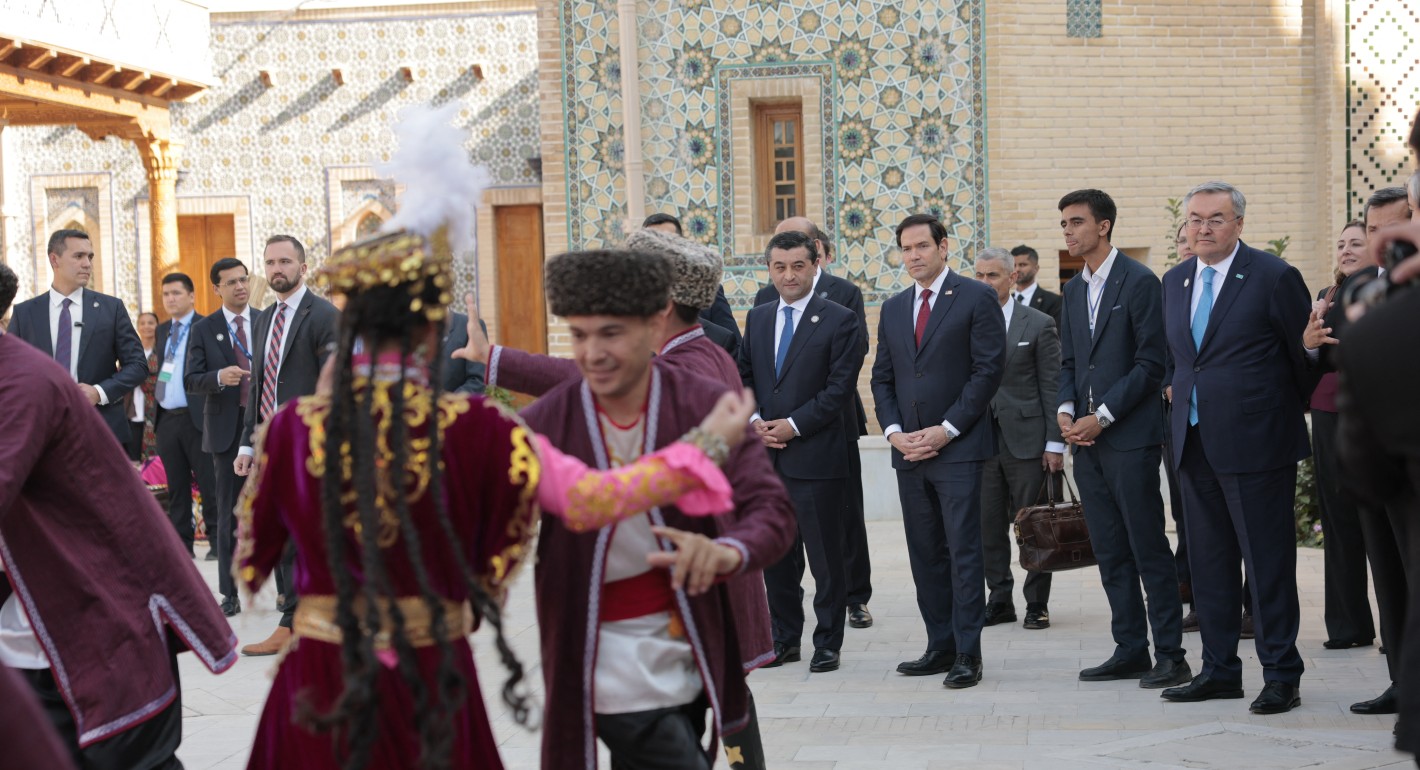
Rubio’s recent visit brought welcome attention, but more capital requires governance changes that may be a hard sell for regional governments.

Jennifer B. Murtazashvili