

Report
- +9
Richard Youngs, Erik Jones, Dan Baer, …
{
  "authors": [
    "Richard Youngs"
  ],
  "type": "other",
  "centerAffiliationAll": "dc",
  "centers": [
    "Carnegie Endowment for International Peace",
    "Carnegie Europe"
  ],
  "collections": [
    "Europe’s Eastern Neighborhood",
    "EU Integration and Enlargement"
  ],
  "englishNewsletterAll": "ctw",
  "nonEnglishNewsletterAll": "",
  "primaryCenter": "Carnegie Europe",
  "programAffiliation": "EP",
  "programs": [
    "Europe"
  ],
  "projects": [],
  "regions": [
    "Russia",
    "Europe",
    "Caucasus",
    "Eastern Europe",
    "Western Europe",
    "Iran"
  ],
  "topics": [
    "Foreign Policy",
    "EU",
    "Political Reform",
    "Democracy"
  ]
}
Source: Getty
The political dynamics of the wider European space have changed dramatically in recent years. The directions of democratic influence now run multiple ways, and the core assumptions underpinning EU democracy support policies need to be rethought.
Source: CENTRE FOR EUROPEAN POLICY STUDIES
Political developments across the Wider Europe space increasingly blur the line between European Union and other countries. Trends in democracy have in recent years become more varied and do not divide neatly along a line between EU states and non-EU states. This is one factor that has begun to alter the underlying structure of relations between the EU and the countries of the wider European Neighbourhood. The dynamics of Europeanisation that have long been central to the EU’s external influence have begun to work in different ways. EU policies across the neighbourhood still need to adjust to the emerging patchwork of political trends.This publication was prepared within the framework of the CEPS-led 3DCFTAs project, enabled by financial support from Sweden. To download the publication, please consult the following link.

Senior Fellow, Democracy, Conflict, and Governance Program
Richard Youngs is a senior fellow in the Democracy, Conflict, and Governance Program, based at Carnegie Europe. He works on EU foreign policy and on issues of international democracy.
Recent Work

Richard Youngs, Erik Jones, Dan Baer, …

Richard Youngs, Thomas Carothers
Carnegie does not take institutional positions on public policy issues; the views represented herein are those of the author(s) and do not necessarily reflect the views of Carnegie, its staff, or its trustees.

In an interview, former ambassador Charles Freeman assesses the Trump administration’s war against Iran.

Michael Young
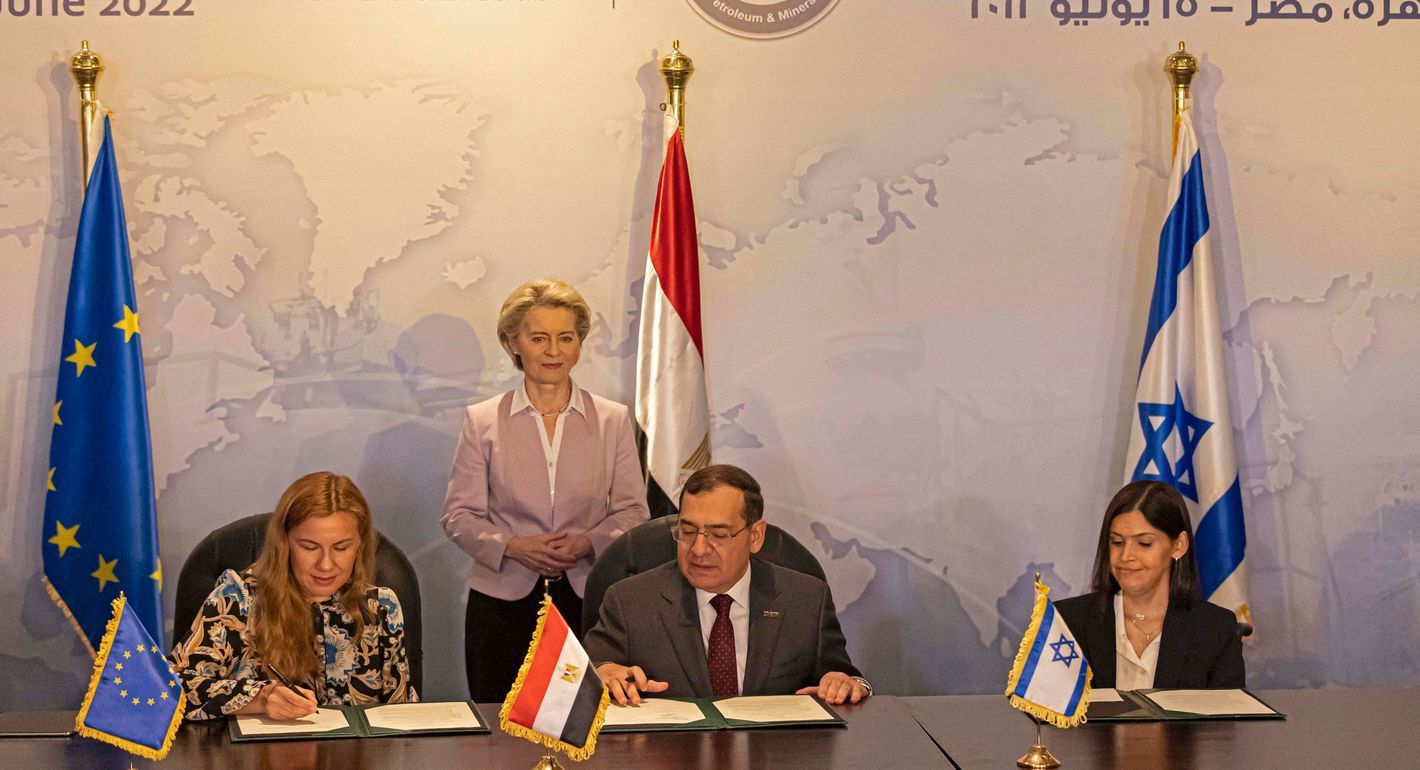
Can economic ties help contain conflict between Egypt and Israel, or do they simply postpone confrontation? Drawing on the German-Russian experience, the article examines how the gas deal creates mutual dependence, keeps channels of cooperation open, and raises the cost of conflict, without necessarily delivering lasting peace.

Nourhan Hefzy

The greater threat to Zelensky comes not from Fedorov alone, but from the convergence between his political campaign and the anti-corruption investigations moving ever closer to the presidential administration.

Balázs Jarábik

European states control several Overseas Countries and Territories around the world that carry strategic, economic, and environmental weight. As great powers challenge the rules-based order, defending them is a geopolitical imperative for Europe.

Marc Pierini
By focusing only on hard security, the Shield ignores the conditions that fuel cartel power.


Alejandro Martin Rodriguez, Kayly Ober