

Commentary
Amid celebrations of bilateral ties was a deeper focus on stability in the Middle East.
Amr Hamzawy
{
  "authors": [
    "Richard Youngs",
    "Ken Godfrey"
  ],
  "type": "legacyinthemedia",
  "centerAffiliationAll": "dc",
  "centers": [
    "Carnegie Endowment for International Peace",
    "Carnegie Europe"
  ],
  "collections": [],
  "englishNewsletterAll": "ctw",
  "nonEnglishNewsletterAll": "",
  "primaryCenter": "Carnegie Europe",
  "programAffiliation": "EP",
  "programs": [
    "Europe",
    "Democracy, Conflict, and Governance"
  ],
  "projects": [
    "European Democracy Hub"
  ],
  "regions": [
    "Middle East",
    "Asia",
    "Europe",
    "Southern, Eastern, and Western Africa",
    "Eastern Europe",
    "Lebanon",
    "East Asia",
    "South Korea",
    "Taiwan",
    "Caucasus",
    "Georgia",
    "Iran"
  ],
  "topics": [
    "Democracy"
  ]
}
REQUIRED IMAGE
Innovative forms of deliberative and participatory democracy from outside the West can inspire reform in European states.

Senior Fellow, Democracy, Conflict, and Governance Program
Richard Youngs is a senior fellow in the Democracy, Conflict, and Governance Program, based at Carnegie Europe. He works on EU foreign policy and on issues of international democracy.
Ken Godfrey
Executive Director, European Partnership for Democracy
Ken Godfrey isthe executive director of the European Partnership for Democracy.
Carnegie does not take institutional positions on public policy issues; the views represented herein are those of the author(s) and do not necessarily reflect the views of Carnegie, its staff, or its trustees.
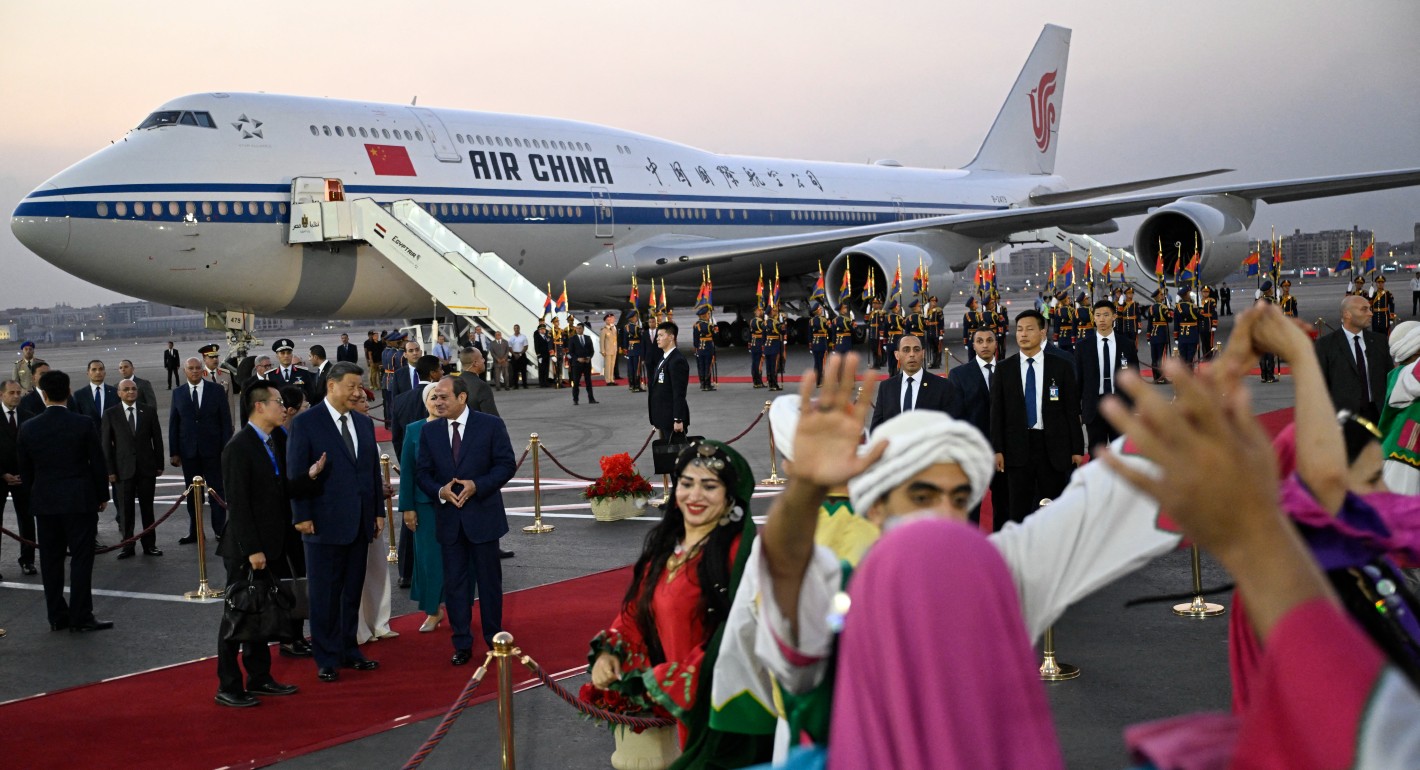
Amid celebrations of bilateral ties was a deeper focus on stability in the Middle East.

Amr Hamzawy

Canadian Prime Minister Mark Carney has twice inspired praise for standing up to U.S. President Donald Trump: at the 2026 World Economic Forum in Davos and on Canada-U.S. trade negotiations. Is Carney showing a third way better than the EU has in dealing with the Trump administration?

Rym Momtaz, ed.
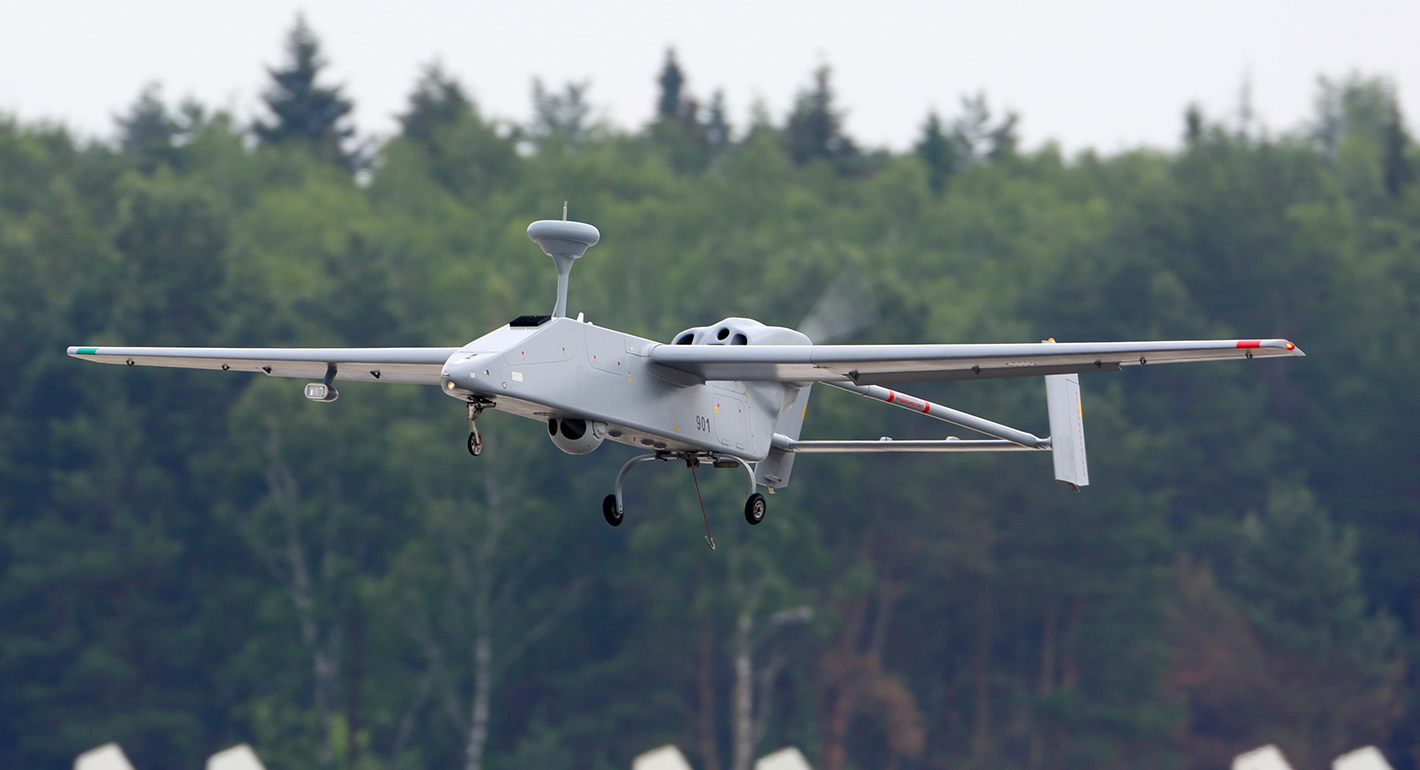
Moscow is testing Europe’s defenses with drone incursions and could decide to use drones against the continent on a much larger scale once the war in Ukraine pauses. European countries will need Kyiv to help them prepare for such a possibility.
Pavlo Zvenyhorodskyi

Middle Eastern states should welcome an accelerated U.S. disengagement from their region.

Michael Young

The EU’s responses to two recent incidents expose the gulf between European perceptions and capabilities. Unless the union can bridge that gap, it will never become a real geostrategic power.
Rym Momtaz