

أوراق بحثية
يزيد صايغ
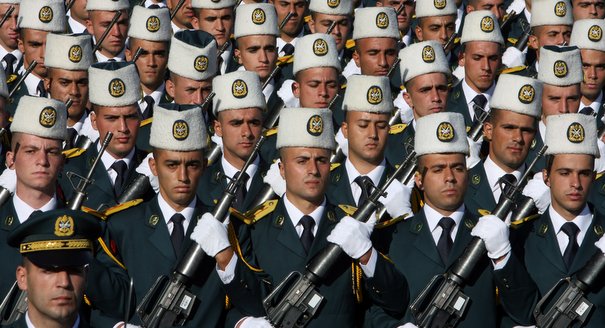
المصدر: Getty
إن التركيز على مكافحة الإرهاب في غياب سيادة القانون، يديم الحوكمة غير الديمقراطية لقطاع الأمن، ويقوّض بناء الدولة وإعادة البناء الوطني بعد النزاعات.
على الرغم من أهميتها، لم تُحقّق المساعدات التنموية الرامية إلى إصلاح قطاعات الأمن في فلسطين، ولبنان، واليمن سوى نتائج محدودة؛ إذ اقتصر جلّها على التدريبات العسكرية والمعدّات، وهو مالا يفعل شيئاً لضمان خضوع قوات الأمن إلى القادة المدنيين الشرعيين.
هذا مايراه يزيد صايغ في ورقة جديدة.
ويضيف أنه كان لدى الولايات المتحدة والبلدان الأوروبية، سواء أكان ذلك عمداً أوصدفة، تركيز قوي وضيّق على مكافحة الإرهاب في كل من فلسطين، ولبنان، واليمن – وهي جميعاً بلدان حكوماتها ضعيفة وشبه ديمقراطية. لذا، ومن دون انتهاج مقاربة متكاملة تتضمّن توفير الدعم للديمقراطية وحكم القانون، لن تكون إصلاحات قطاعات الأمن مُستدامة، لابل يمكن أن تُفاقم الصراعات المحلية على السلطة.
خمسة دروس للولايات المتحدة وأوروبا:
يخلص صايغ إلى القول:
"من أجل توفير إمكانية إصلاح حقيقي، يتعيّن على الغرب تبنّي مقاربة شاملة تتعاطى مع الإصلاح الأمني بكونه مجرّد جزء من استراتيجية سياسية أوسع نطاقاً، وتشجيع الحكومات والمسؤولين الأمنيين في كل من فلسطين ولبنان واليمن على تقبّل هكذا استراتيجية". ويضيف: "إن التركيز على مكافحة الإرهاب في غياب سيادة القانون، إنما يديم الحوكمة غير الديمقراطية لقطاع الأمن، ويقوّض بناء الدولة وإعادة البناء بعد النزاعات".

زميل أول, مركز مالكوم كير– كارنيغي للشرق الأوسط
يزيد صايغ زميل أول في مركز مالكوم كير– كارنيغي للشرق الأوسط في بيروت، تركّز أبحاثه على الأدوار السياسية والاقتصادية المقارَنة للقوات المسلحة العربية، والتداعيات التي تخلّفها الحرب على الدول والمجتمعات، والجوانب السياسية لعملية إعادة البناء وتحوّل قطاع الأمن وفي المراحل الانتقالية التي تشهدها الدول العربية، إضافة إلى إعادة إنتاج الأنظمة السلطوية.
الأعمال الحديثة
يزيد صايغ
يزيد صايغ
لا تتخذ كارنيغي مواقف مؤسسية بشأن قضايا السياسة العامة؛ الآراء المعبر عنها هنا هي آراء المؤلف(ين) ولا تعكس بالضرورة آراء كارنيغي أو موظفيها أو أمنائها.
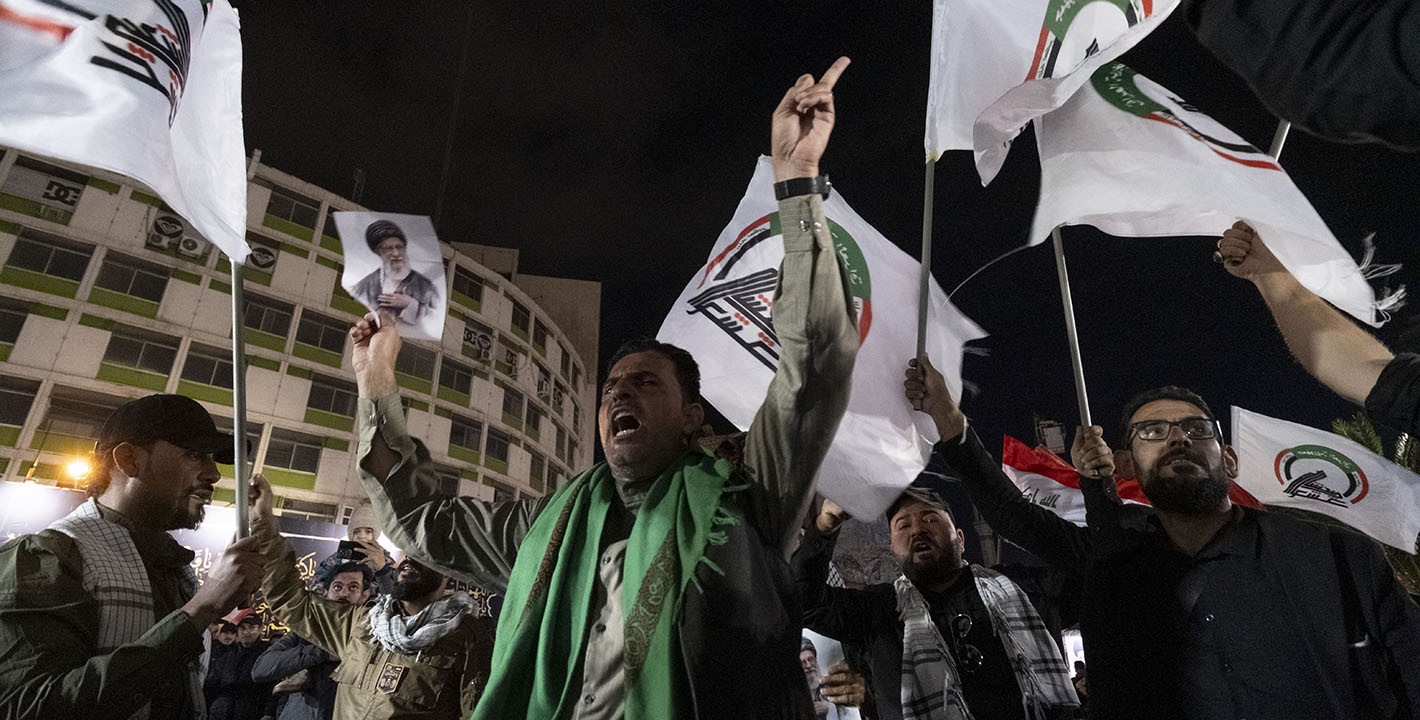
يواجه هدف حكومة الزيدي عقبات بسبب الصراع الإقليمي، لكن بإمكانها اتّخاذ بعض الإجراءات في هذا الصدد.
علي المولوي

بذلت "هواوي" جهودًا حثيثة لدخول سوق مراكز البيانات في مصر، إلى أن قدّمت الولايات المتحدة عرضًا أفضل.
انجي عمر

يقيّم السفير السابق تشارلز فريمان، في مقابلة معه، حرب إدارة ترامب ضدّ إيران.

مايكل يونغ

ينبغي على دول الشرق الأوسط أن ترحّب بتسريع الولايات المتحدة انسحابها من المنطقة.
مايكل يونغ
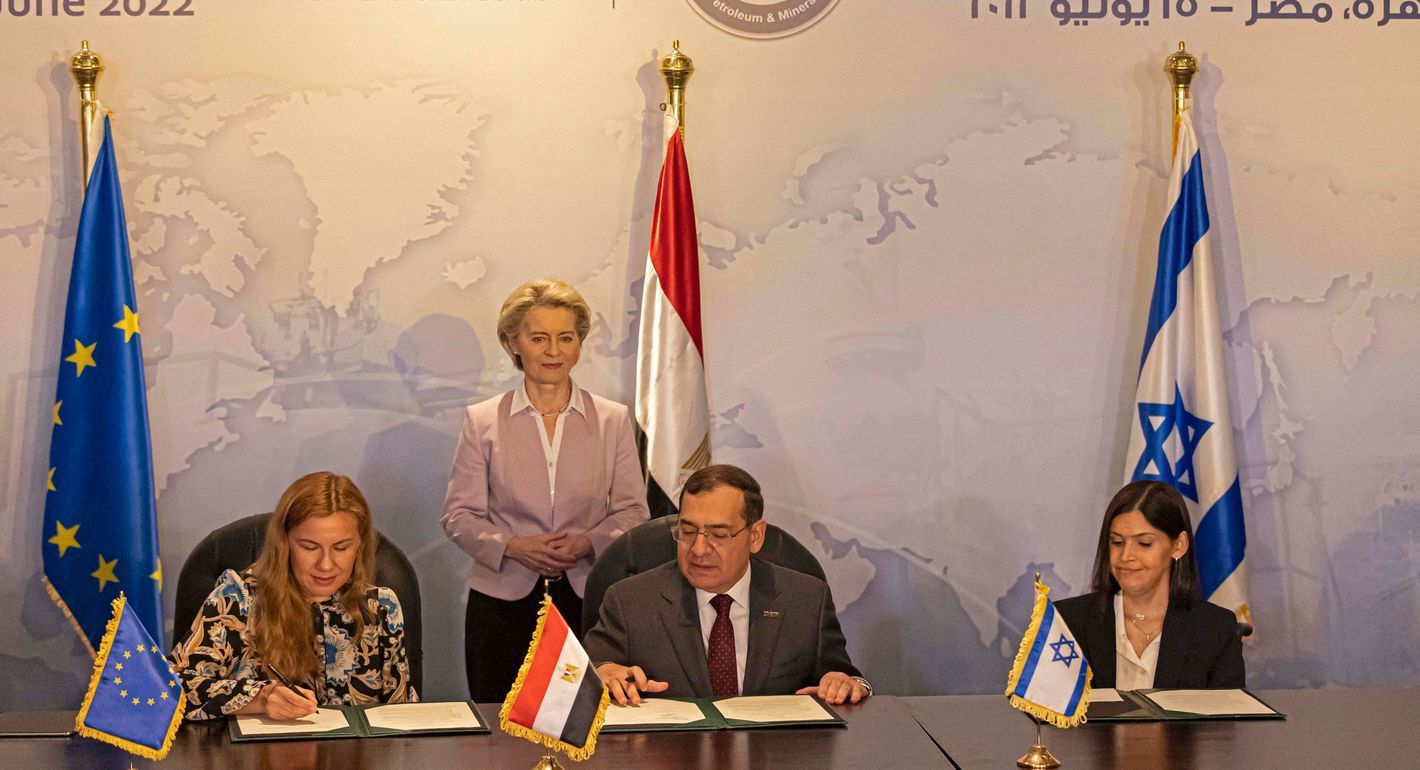
هل يمكن للغاز أن يخفف التوتر بين مصر وإسرائيل، أم أن المصالح الاقتصادية تؤجل الصدام فقط؟ يقارن المقال بين صفقة الغاز المصرية-الإسرائيلية والتجربة الألمانية-الروسية ليكشف حدود قدرة التجارة والاعتماد المتبادل على احتواء الصراع.
نورهان حفظي