

Research
- +6
Yasmine Farouk, Nathan J. Brown, Maysaa Shuja Al-Deen, …
{
  "authors": [
    "Intissar Fakir"
  ],
  "type": "commentary",
  "blog": "Sada",
  "centerAffiliationAll": "",
  "centers": [
    "Carnegie Endowment for International Peace"
  ],
  "collections": [
    "Arab Awakening"
  ],
  "englishNewsletterAll": "",
  "nonEnglishNewsletterAll": "",
  "primaryCenter": "Carnegie Endowment for International Peace",
  "programAffiliation": "",
  "programs": [],
  "projects": [],
  "regions": [
    "Middle East",
    "North Africa",
    "Gulf",
    "Levant",
    "Bahrain",
    "Kuwait",
    "Oman",
    "Qatar",
    "Saudi Arabia",
    "United Arab Emirates",
    "Egypt",
    "Tunisia",
    "Iraq",
    "Jordan",
    "Lebanon",
    "Palestine",
    "Syria"
  ],
  "topics": [
    "Political Reform",
    "Security"
  ]
}
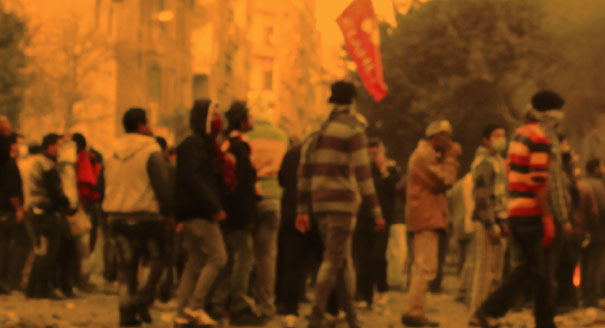
Source: Getty
Sada launches its first eBook, a collection of essays that explores the region’s deep political changes since the Arab uprisings.

With this in mind, rather than trying to produce an analysis of how regional events are a part of a coherent narrative, it is perhaps more useful to focus on the individual circumstances of post-2011 Arab states. To that end, Sada’s first eBook, The Middle East Unbalanced, draws on the extensive research and fieldwork of young authors with connections to the region to provide unique insights into a breadth of challenges and issues in an array of Arab countries.
Looking at Tunisia, Fadil Aliriza argues that the shadow of the police state looms over efforts to transition to a more pluralistic and democratic system. Mohammed El-Shewy explains how Egypt's steady transformation into an actor-driven political model is weakening the state. Myriam Benraad analyzes the rise of the Islamic State in Iraq as a product of Sunni dissatisfaction. Looking at some of the deeper challenges within the conflicts in Iraq, Yemen, and Syria, Hadi Fathallah explores the negative impact fighting has had on food security, which in turn further compounds political, economic, and social challenges. Mahmoud Jaraba and Lihi Ben Shitrit argue the Israeli–Palestinian conflict is losing its regional significance in favor of narrower local and, paradoxically, wider international significance. In the book’s final essay, Suliman Al-Atiqi argues new threats facing the region have drawn Gulf Cooperation Council (GCC) countries closer.
This series of articles is an attempt to capture the Middle East’s current moment, pointing to some key dynamics and challenges. Other countries deserve equal attention, and their particular political developments are covered in depth by Sada contributors regularly. For instance, Algeria, though it escaped the tumult of 2011, stands at a crossroads, with an uncertain leadership transition ahead amid sharply declining government revenues due to lower oil prices. Morocco’s tentative reforms and the rise of popular politics show clear signs of influence from the same trends that grew out of 2011. Similarly, Jordan is attempting to balance reforms and stability while government after government falls short of addressing pressing social and economic needs. Libya has continued to see central authority and state capacity fracture as multilayered conflicts continue in the wake of the initial 2011 war. Lebanon has struggled to inoculate itself from the extreme warfare and explosive politics that have ravaged neighboring Syria.
Increasingly, the “Arab Spring” is becoming shorthand for failure, disappointment, disillusionment, or fear in policy circles. But rather than allowing the last five years to become a cohesive, historical footnote in our broader understanding of the region and where it is heading, now more than ever there is a need for granular analyses that reject simplification and embrace painful complexity. Continuing to trace the threads of shared political phenomena across the region may indeed yield little clarity from a macro-level, geopolitical lens, but doing so is not purely an academic exercise. The broad principles that once guided policymaking in the region are no longer so dependable, and the creative solutions needed to address new priorities demand greater curiosity, patience, and willingness to listen to the voices from 2011 that still echo.
Former Fellow, Middle East Program, Editor in Chief, Sada
Intissar Fakir was a fellow and editor in chief of Sada in Carnegie’s Middle East Program.
Recent Work



Yasmine Farouk, Nathan J. Brown, Maysaa Shuja Al-Deen, …
Intissar Fakir
Carnegie does not take institutional positions on public policy issues; the views represented herein are those of the author(s) and do not necessarily reflect the views of Carnegie, its staff, or its trustees.
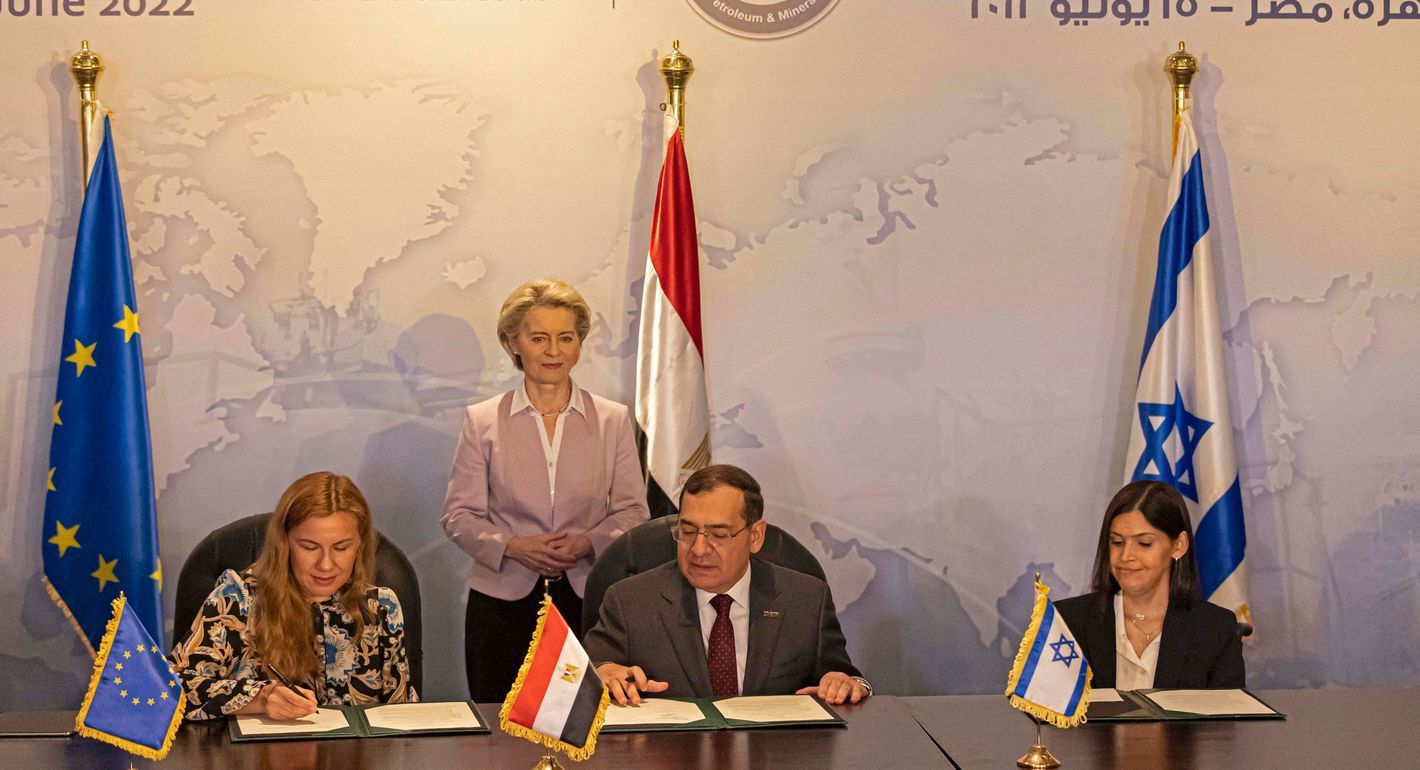
Can economic ties help contain conflict between Egypt and Israel, or do they simply postpone confrontation? Drawing on the German-Russian experience, the article examines how the gas deal creates mutual dependence, keeps channels of cooperation open, and raises the cost of conflict, without necessarily delivering lasting peace.
Nourhan Hefzy
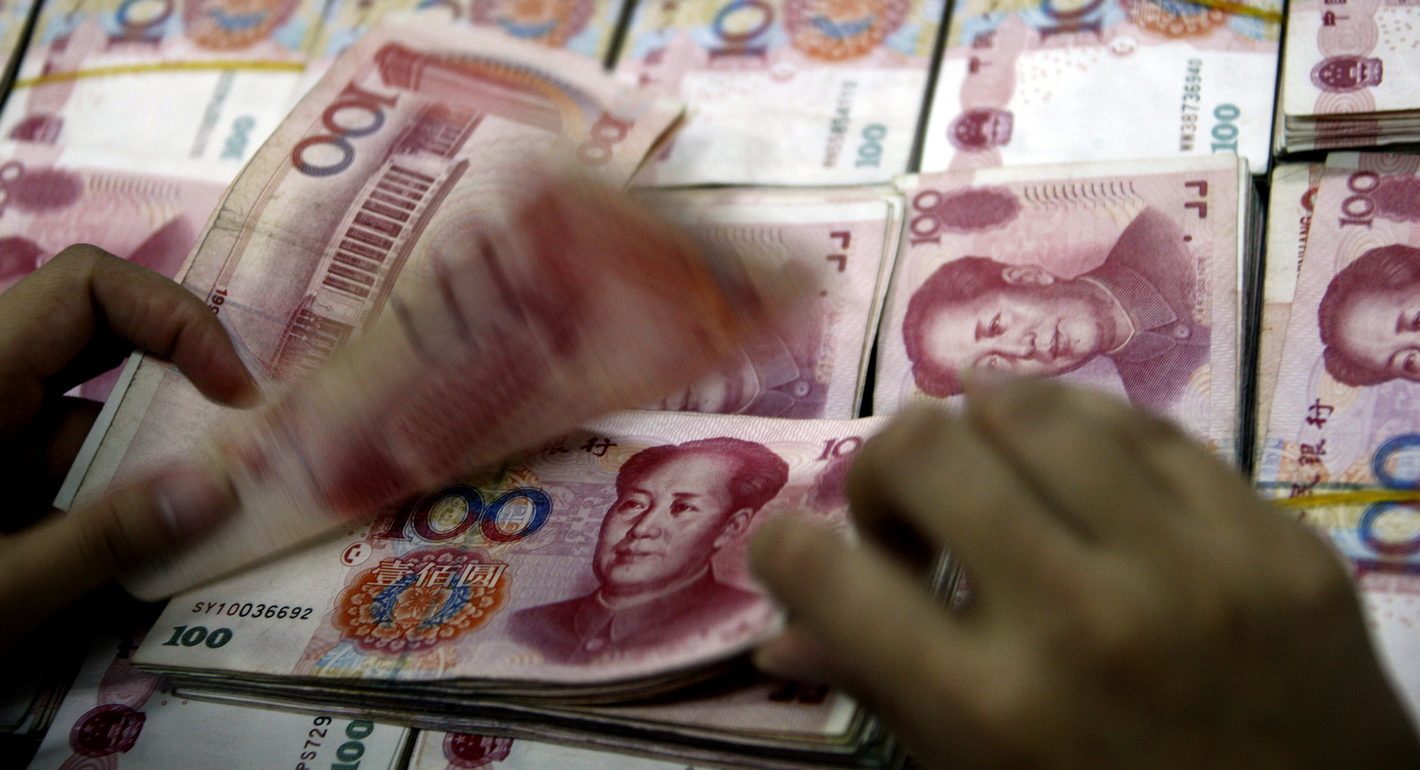
Is the Gulf moving beyond the dollar? This article examines how China is expanding the renminbi's role across Gulf markets, what that means for regional finance, and why the future of global currencies is more complex than the de-dollarization debate suggests.

Andrew Bonney
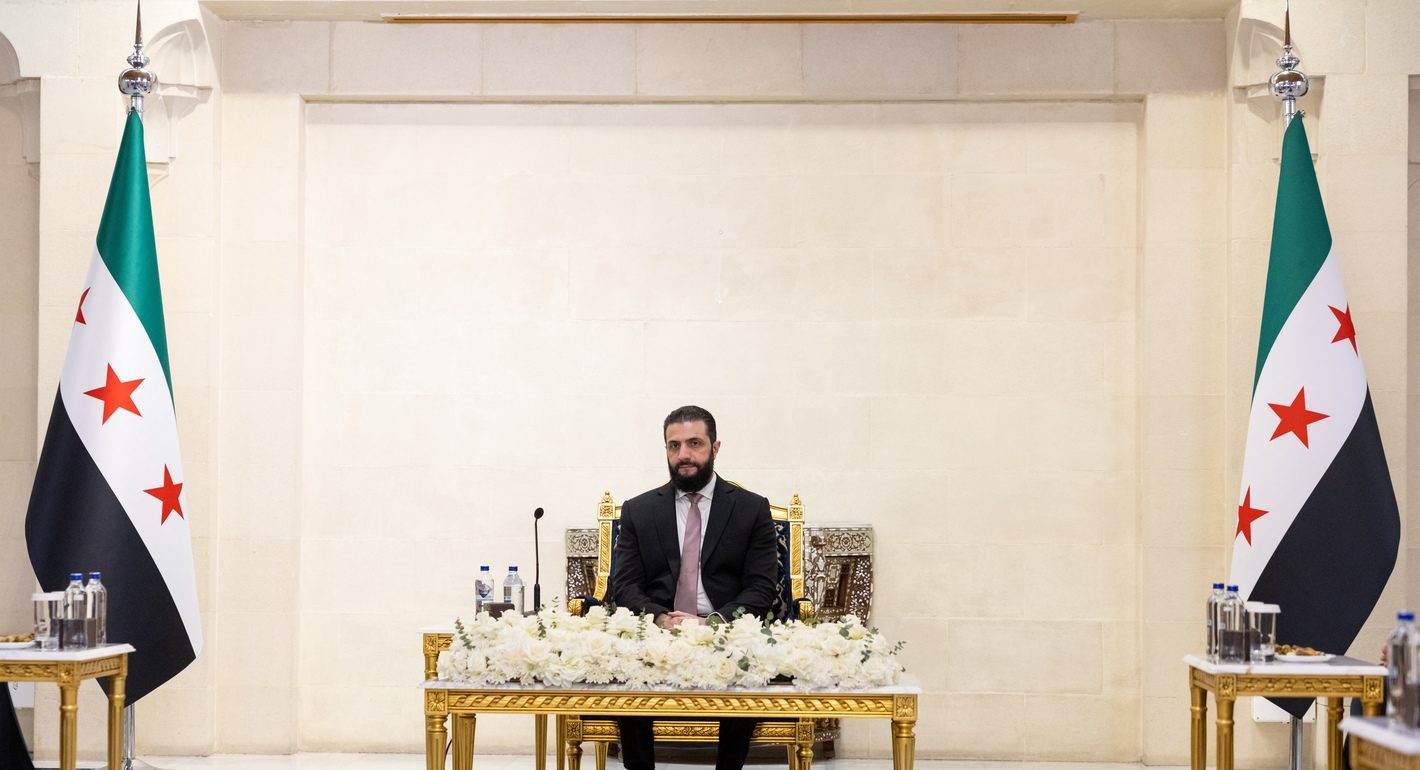
Syria's transition promised a fresh start. But are old habits of power making a comeback? This analysis looks at the warning signs and what it will take to build a more accountable state.
Sima Beitinjaneh
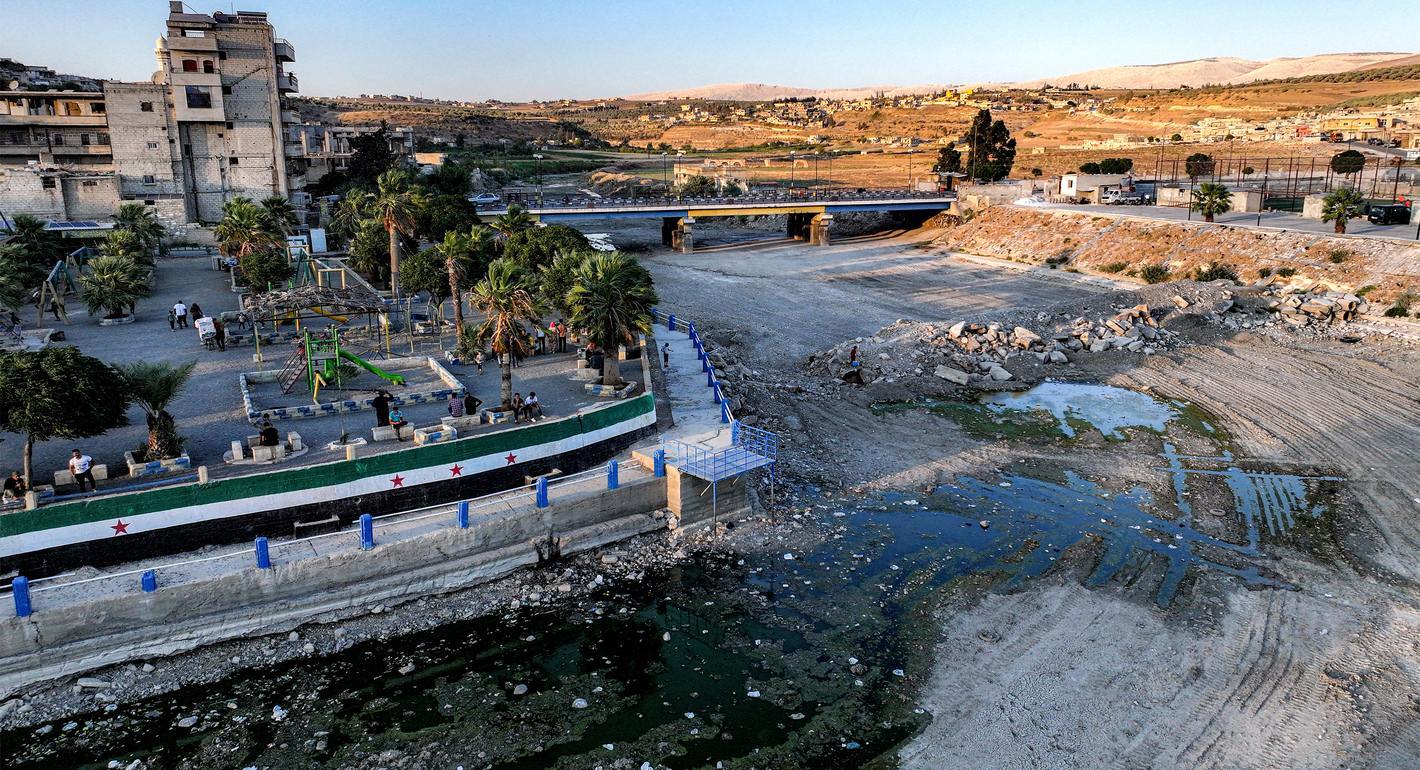
Syria’s worsening drought is no longer a seasonal crisis. This report explains what climate change is doing to rainfall, groundwater, and food security, and what solutions experts say are still possible.
Milia Esper
From anime heroes to online gaming communities, Morocco’s Gen Z is building a new protest culture. What does this digital imagination reveal about youth politics, and how should institutions respond?
Abdelilah Farah