

Paper
The Pentagon is calling for a rapid AI transformation. Autonomous drones offer a case study in the eight bottlenecks the U.S. military must navigate to realize that vision.
Jake Steckler
{
  "authors": [
    "Renad Mansour",
    "David Mack",
    "Jean-Marc Rickli"
  ],
  "type": "legacyinthemedia",
  "centerAffiliationAll": "dc",
  "centers": [
    "Carnegie Endowment for International Peace",
    "Malcolm H. Kerr Carnegie Middle East Center"
  ],
  "collections": [],
  "englishNewsletterAll": "menaTransitions",
  "nonEnglishNewsletterAll": "",
  "primaryCenter": "Malcolm H. Kerr Carnegie Middle East Center",
  "programAffiliation": "MEP",
  "programs": [
    "Middle East"
  ],
  "projects": [],
  "regions": [
    "Gulf",
    "Levant",
    "Syria",
    "Iraq",
    "North America",
    "United States",
    "Middle East",
    "Western Europe"
  ],
  "topics": [
    "Political Reform",
    "Security",
    "Foreign Policy"
  ]
}
Source: Getty
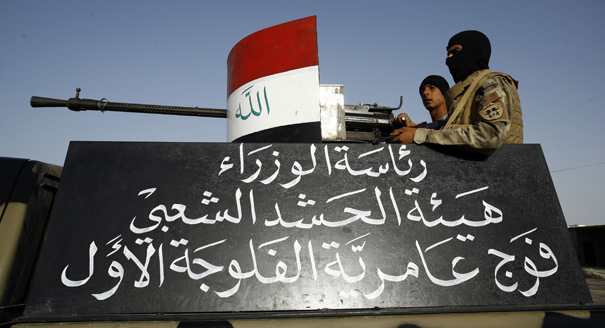
A meeting in Paris is held to debate how best to cope with the self-proclaimed Islamic State's successes.
Source: Al Jazeera Inside Story
From the start, the US-led coalition that is fighting ISIL acknowledged that the battle would be long. Now, foreign ministers from several countries have met in Paris to figure out why their strategy against ISIL is not working in the face of the radical group's territorial gains in Iraq and Syria.
Before the Paris meeting, the US and Iraq blamed each other for the failure. The US defense secretary said the Iraqi army lacks the will to fight ISIL, while the Iraqi prime minister said his country does not get enough international support.
So, what will it take to defeat ISIL?
This interview was originally broadcast on Al Jazeera Inside Story.

Former El-Erian Fellow, Middle East Center
Mansour was an El-Erian fellow at the Carnegie Middle East Center, where his research focuses on Iraq, Iran, and Kurdish affairs.
David Mack
Jean-Marc Rickli
Carnegie does not take institutional positions on public policy issues; the views represented herein are those of the author(s) and do not necessarily reflect the views of Carnegie, its staff, or its trustees.
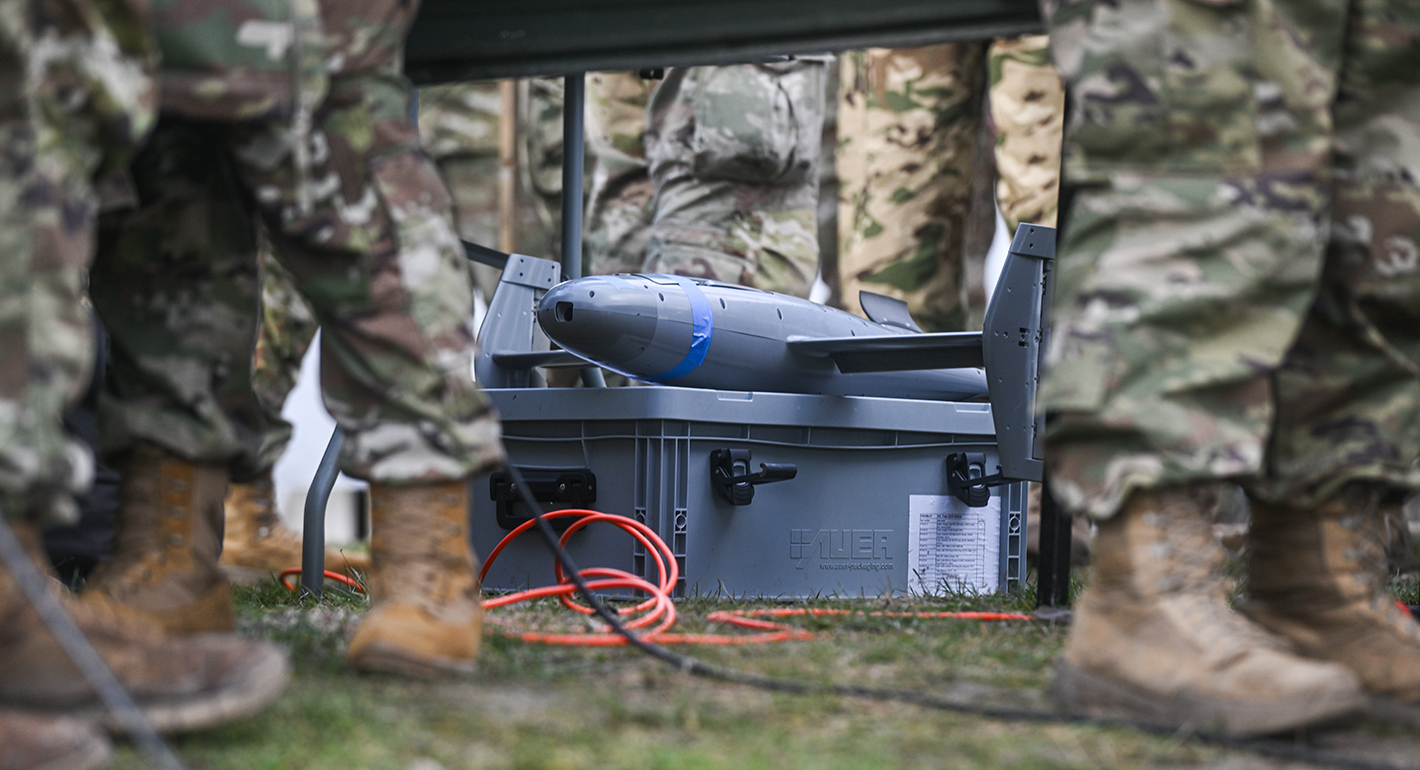
The Pentagon is calling for a rapid AI transformation. Autonomous drones offer a case study in the eight bottlenecks the U.S. military must navigate to realize that vision.
Jake Steckler

Most migrants may have left Ceuta, but the effects may linger.


Alejandro Martin Rodriguez, Sarah Yerkes

There is a transnational far-right populist movement that links middle powers in a global movement that extends well beyond Trump.

Christopher S. Chivvis, Rohan Mukherjee, Milan Vaishnav

When faced with fuel shortages in the past, Central Asian governments could always count on additional supplies from Moscow. That safety net no longer exists.

Galiya Ibragimova

Saied’s main accomplishment has been to destroy a decade’s worth of democratic progress.
Sarah Yerkes