

Q&A
Dara Massicot, Aaron David Miller, Andrew S. Weiss
{
  "authors": [
    "Aaron David Miller"
  ],
  "type": "legacyinthemedia",
  "centerAffiliationAll": "",
  "centers": [
    "Carnegie Endowment for International Peace",
    "Malcolm H. Kerr Carnegie Middle East Center"
  ],
  "collections": [],
  "englishNewsletterAll": "",
  "nonEnglishNewsletterAll": "",
  "primaryCenter": "Carnegie Endowment for International Peace",
  "programAffiliation": "",
  "programs": [],
  "projects": [],
  "regions": [
    "North America",
    "United States",
    "Middle East",
    "Iraq",
    "Syria",
    "Levant"
  ],
  "topics": [
    "Political Reform",
    "Security",
    "Foreign Policy"
  ]
}
Source: Getty
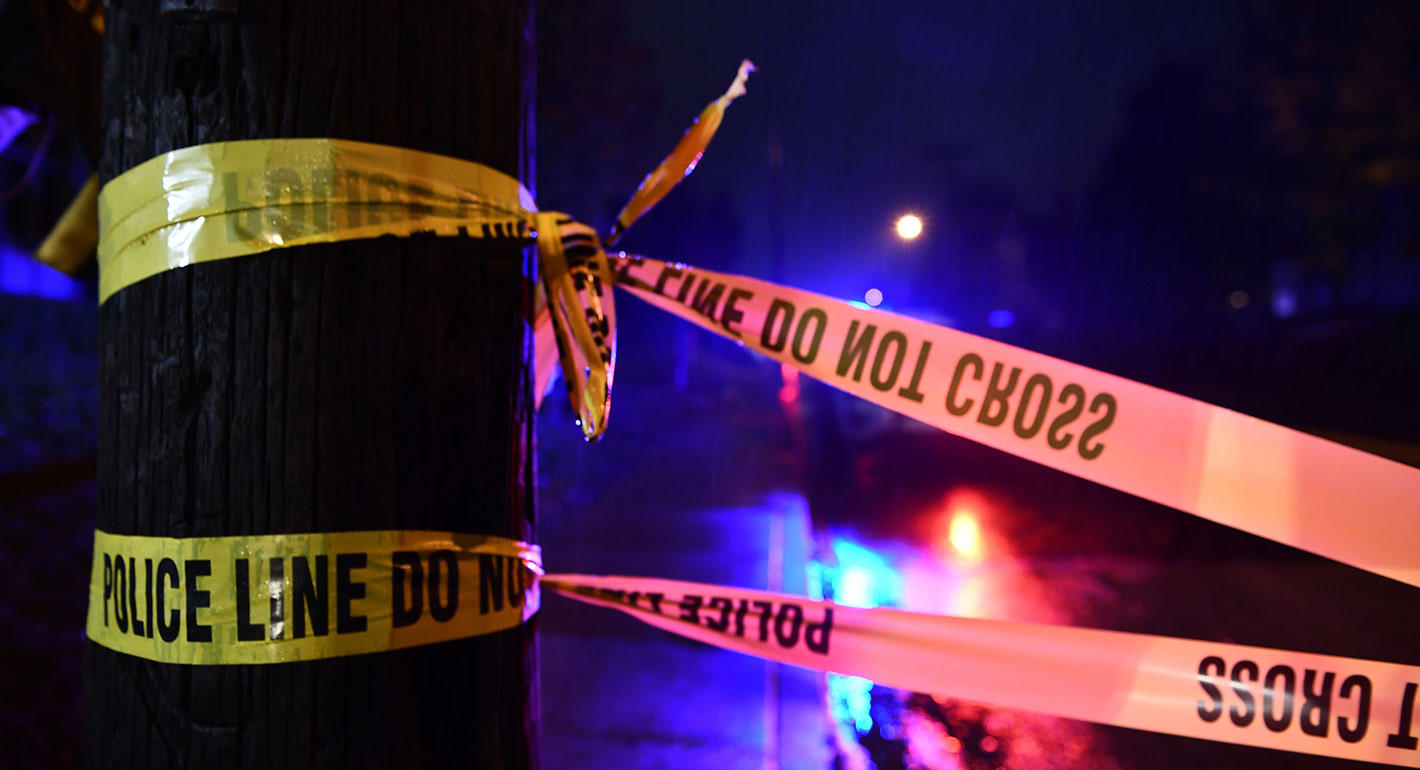
The jihadi threat, while still dangerous, has been overtaken by the scourge of homegrown right-wing extremist terror.
Source: CNN
In the most recent Democratic debate, an animated Joe Biden exclaimed that ISIS "is going to come here" as a result of Trump's decision to abandon the Syrian Kurds and withdraw nearly all US troops from Syria.
After Trump's orders to withdraw, however, another wave of American troops entered Syria, leaving as many as 900 forces in the country. Still, the break in our alliance with the Kurds and the weakening in US counter-terror policy will undoubtedly allow gains for ISIS and other jihadi groups.
Is Biden right? Has Trump paved the way for ISIS to launch attacks on American soil? While the possibility can never be ruled out, the immediate threat ISIS poses to the US homeland is overstated. Far more concerning is the threat of homegrown terrorists, including right-wing extremists. The administration's willingness to alienate Muslims, and its failure to take the lead on sensible gun control legislation and minimize polarization only exacerbates these threats.
Given the chaos of the past several weeks, it's difficult to know precisely what the US policy is in Syria when it comes to fighting ISIS or partnering with the Kurds.
While Trump thanked the Kurds for their help when he announced the death of ISIS leader Abu Bakr al-Baghdadi, he failed to acknowledge the crucial role they played in helping the US. Not only have the Syrian Defense Forces provided foot soldiers in the battle against ISIS, the SDF commander-in-chief told NBC News they had an informant who offered critically important intelligence about the ISIS leader's whereabouts and details on his compound, which was then passed on to the US special forces. This alliance has now been eroded, and restoring trust will not be easy.
While it's unlikely that ISIS will restore its physical territory, which was roughly the size of Britain at its peak, there remain as many as 18,000 ISIS fighters in Syria and Iraq. Killing Baghdadi will temporarily disrupt the organization, but ISIS has already morphed into an insurgency that has carried out hundreds of attacks in Iraq and Syria. Indeed since most ISIS fighters are native to Syria and Iraq, they will have a much easier time adapting to the region's shifts in power. And violence perpetrated by Syrian President Bashar al-Assad in the ongoing Syrian Civil War will likely ensure a steady flow of recruits to ISIS, which thrives on sectarian grievances. Trump may be counting on Russia, Turkey and Iran to counter ISIS but they have different agendas than the US and will not be able to achieve anywhere near the operational efficiency of strikes against the jihadis made possible by the now-sundered US-Kurdish alliance.
Europe's proximity to the region and the presence of an estimated 2,000 foreign fighters among ISIS ranks imprisoned by the Kurds means Europe is much more vulnerable to attacks, although they are more likely to be carried out by homegrown jihadis inspired and radicalized by ISIS rather than soldiers on the ground.
In the wake of the September 11 attacks, US intelligence agencies had joined forces with law enforcement to successfully counter foreign terrorist groups. But the threat has evolved, and homegrown extremists are radicalized via ISIS and jihadi propaganda online. It's stunning to consider that all the lethal terror attacks since 9/11 resulting in the deaths of US citizens at home were carried out by permanent legal residents or US citizens.
As Peter Bergen, an expert on homegrown terror makes clear, the real threat emanates from individuals or pairs who did not have formal ties to or training from terrorist groups, but were simply inspired by jihadi propaganda online.
Despite the President's divisive rhetoric and our highly polarized political climate, an effective counterterrorist strategy should include active efforts to partner with Muslim communities, implement grassroots educational initiatives and fight against the discrimination and stereotyping Muslims so often face. Trump, who appeared to reference his Muslim ban in his remarks announcing Baghdadi's death, isn't helping in this effort.
The jihadi threat -- while still dangerous -- has been overtaken by the scourge of right-wing extremist terror. The reasons behind these attacks are driven by a complex mix of access to automatic weapons, spread of hate propaganda on social media, individual pathology, political polarization, partisanship and anger and grievance, which the current administration has done too little to combat. Indeed this is by far the more enduring challenge to the Republic than the jihadist one because it cuts to the core of who we are as a people and what kind of society we wish to build. The external enemy is easier to fear, identify and combat. But the far more dangerous one is right here at home.

Senior Fellow, American Statecraft Program
Aaron David Miller is a senior fellow at the Carnegie Endowment for International Peace, focusing on U.S. foreign policy.
Recent Work


Dara Massicot, Aaron David Miller, Andrew S. Weiss

Sophia Besch, Eric Ciaramella, Steve Feldstein, …
Carnegie does not take institutional positions on public policy issues; the views represented herein are those of the author(s) and do not necessarily reflect the views of Carnegie, its staff, or its trustees.
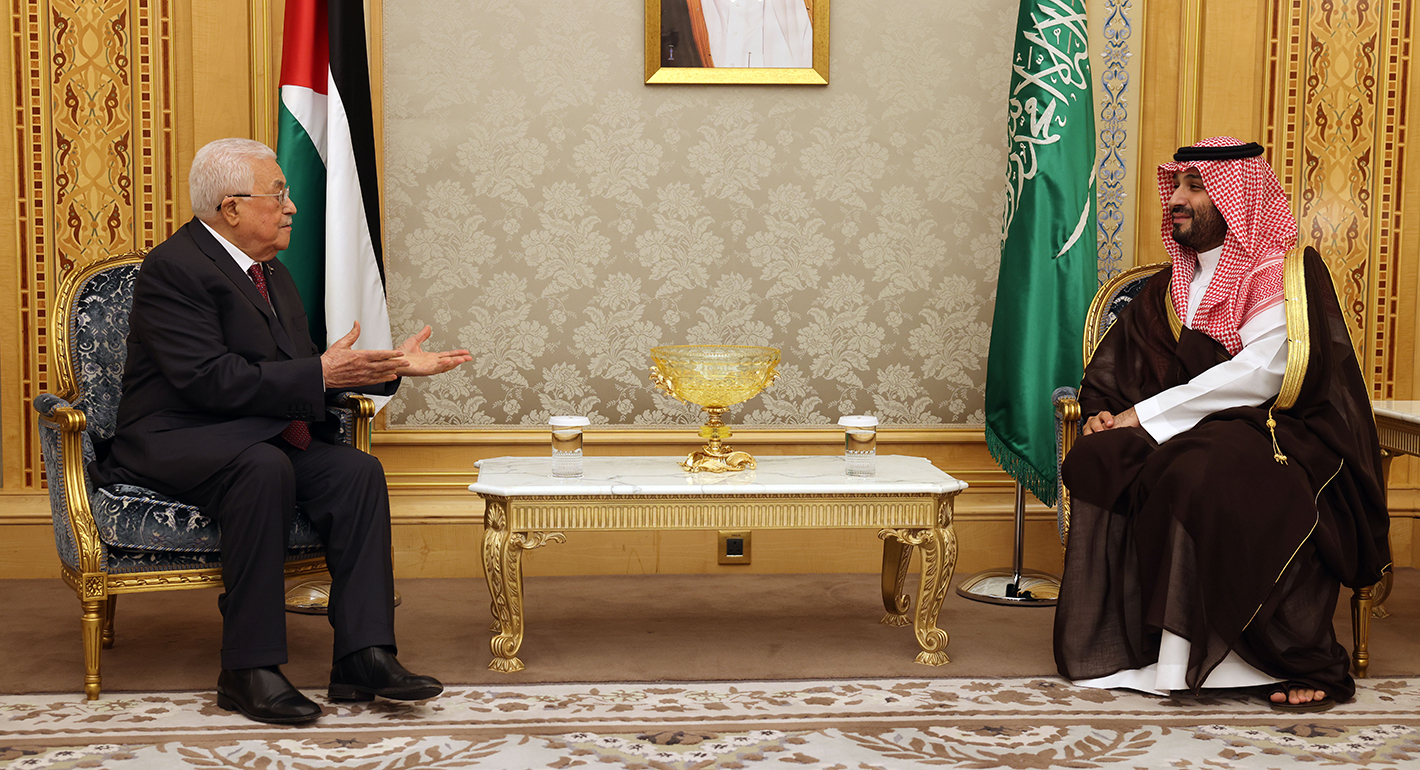
The U.S. midterm elections signal the opening of a narrow window for bold Saudi diplomacy on Palestine.

Andrew Leber, Zaha Hassan

China’s political future will be shaped between now and next October. As the Communist Party enters its intense “campaign season” to prepare for a major political transition in 2027, reading Beijing's actions and responses may become more difficult as domestic politics weigh on its behavior more than usual.

Damien Ma

The EU can impose sanctions but struggles to enforce them without the United States. With Washington increasingly disinterested in backing European interests, the bloc must now fend for itself.


Nicu Popescu, Tiago Antunes
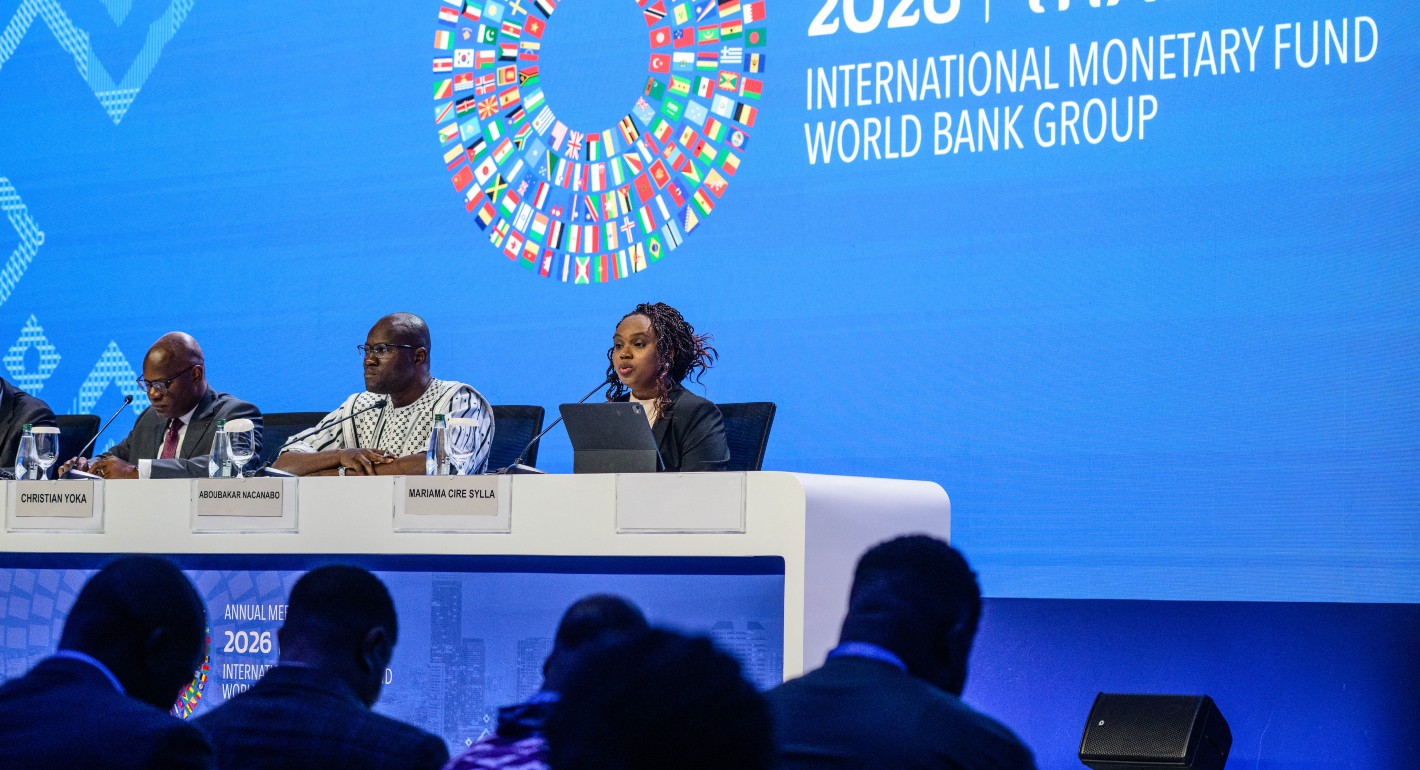
Global and rising powers will need to engage with Africa’s priorities and agency in order to secure the continent’s increasingly attractive partnerships.
Fonteh Akum

Rubio’s recent visit brought welcome attention, but more capital requires governance changes that may be a hard sell for regional governments.

Jennifer B. Murtazashvili