

Commentary
Hungarians head to the polls on April 12 for an election of national and European consequence. Three different outcomes are on the cards, each with their own implications for the EU.
Zsuzsanna Szelényi

REQUIRED IMAGE
Arabs indisputably desire more predictable, responsive, and fair laws, even as the Middle East presents acute challenges to rule-of-law reform. To achieve the most success, the United States should focus less on the performance of courts and concentrate on building a broad social understanding of legal rights and respect for the law’s authority.
Summary
Arabs indisputably desire more predictable, responsive, and fair laws, even as the Middle East presents acute challenges to rule-of-law reform. David M. Mednicoff’s Carnegie Paper argues that to achieve the most success, the United States should focus less on the performance of courts and concentrate on building a broad social understanding of legal rights and respect for the law’s authority. Law school curriculum enhancement, funding of independent local media projects that provide information about law, and collaboration with indigenous human rights groups would help advance these long-term goals of rule-of-law reform.
Legalism Sans Frontieres? U.S. Rule of Law Aid in the Arab World is the latest paper in the Carnegie Endowment’s Rule of Law Series, which provides analyses by experts on rule-of-law development about key questions in the field.
Click on the link above for the full text of this Carnegie Paper.
About the Author
David M. Mednicoff is assistant professor in the Department of Legal Studies and the Center of Public Policy and Administration at the University of Massachusetts-Amherst.
A limited number of print copies are available.
Request a copy
David M. Mednicoff
Carnegie does not take institutional positions on public policy issues; the views represented herein are those of the author(s) and do not necessarily reflect the views of Carnegie, its staff, or its trustees.
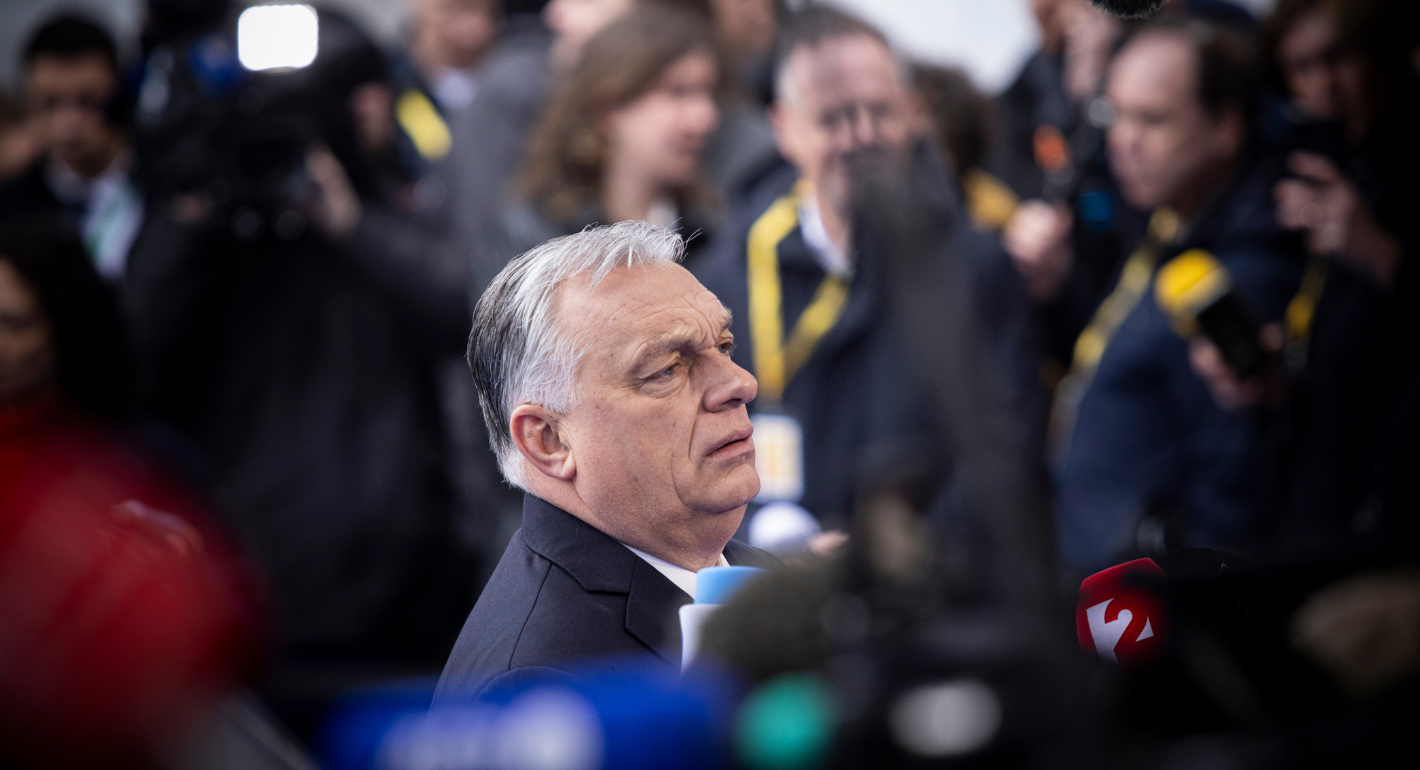
Hungarians head to the polls on April 12 for an election of national and European consequence. Three different outcomes are on the cards, each with their own implications for the EU.

Zsuzsanna Szelényi
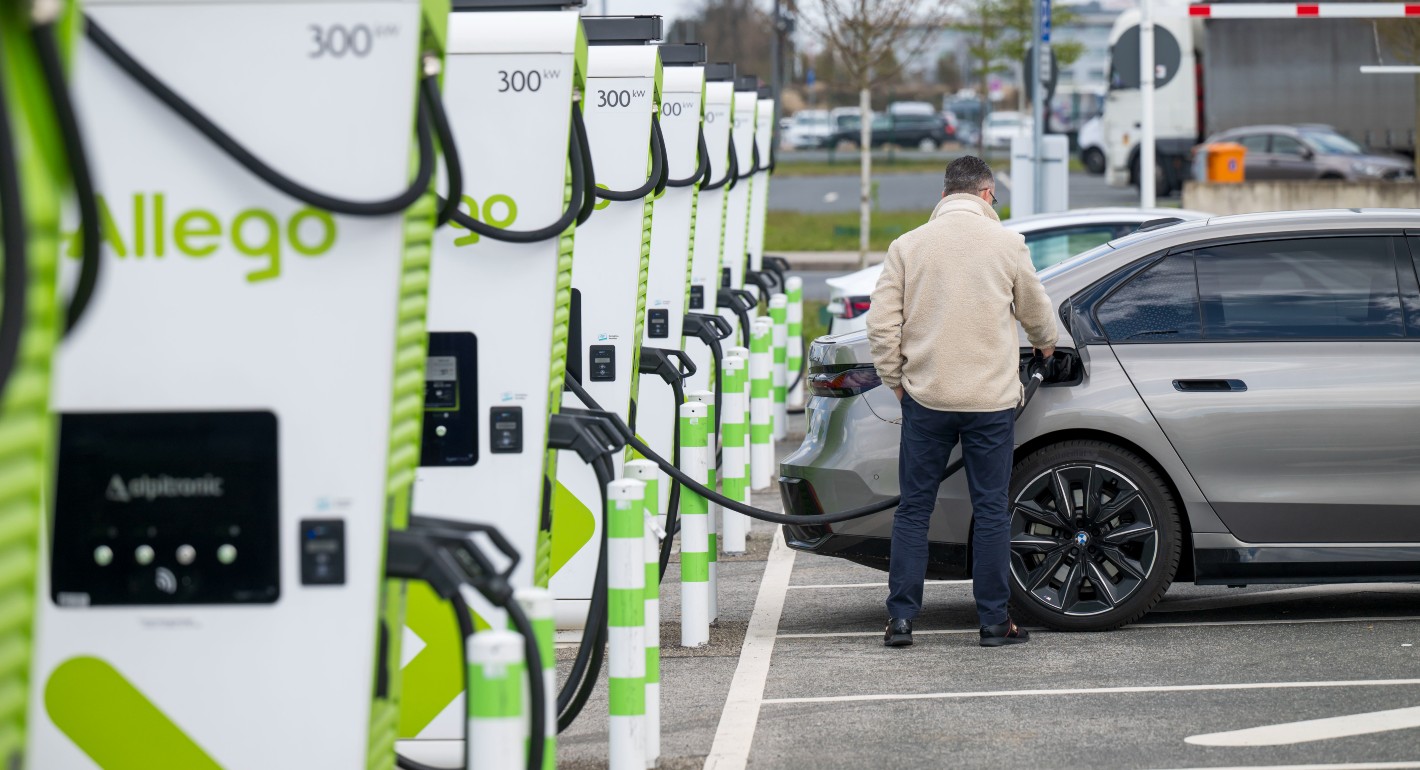
As the Iran war shocks oil prices, countries that have invested in renewables, EVs, and battery development since the 2022 Russian invasion of Ukraine are seeing the value of their investments.

Noah Gordon
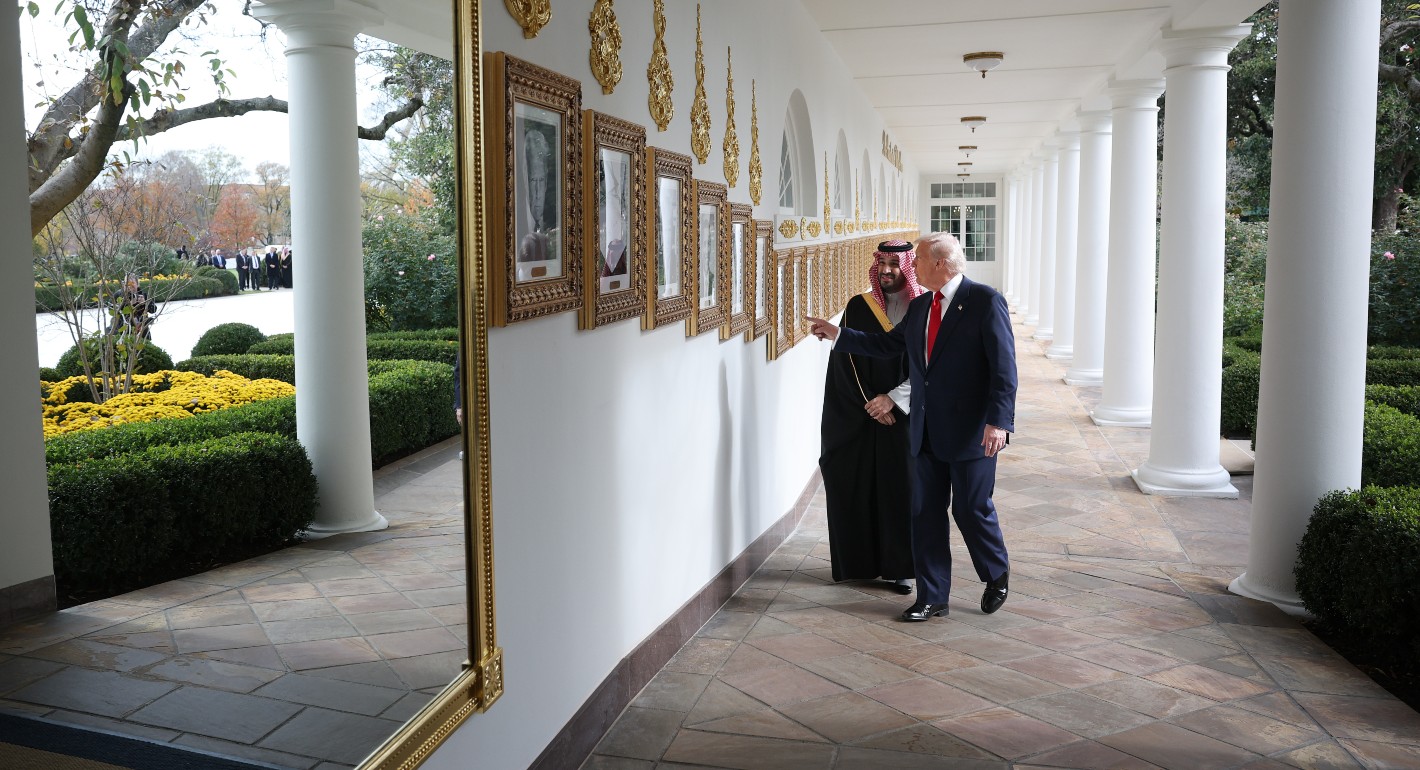
Neither the Abraham Accords nor the presence of large U.S. bases are enough to protect Arab Gulf states.

Marwan Muasher
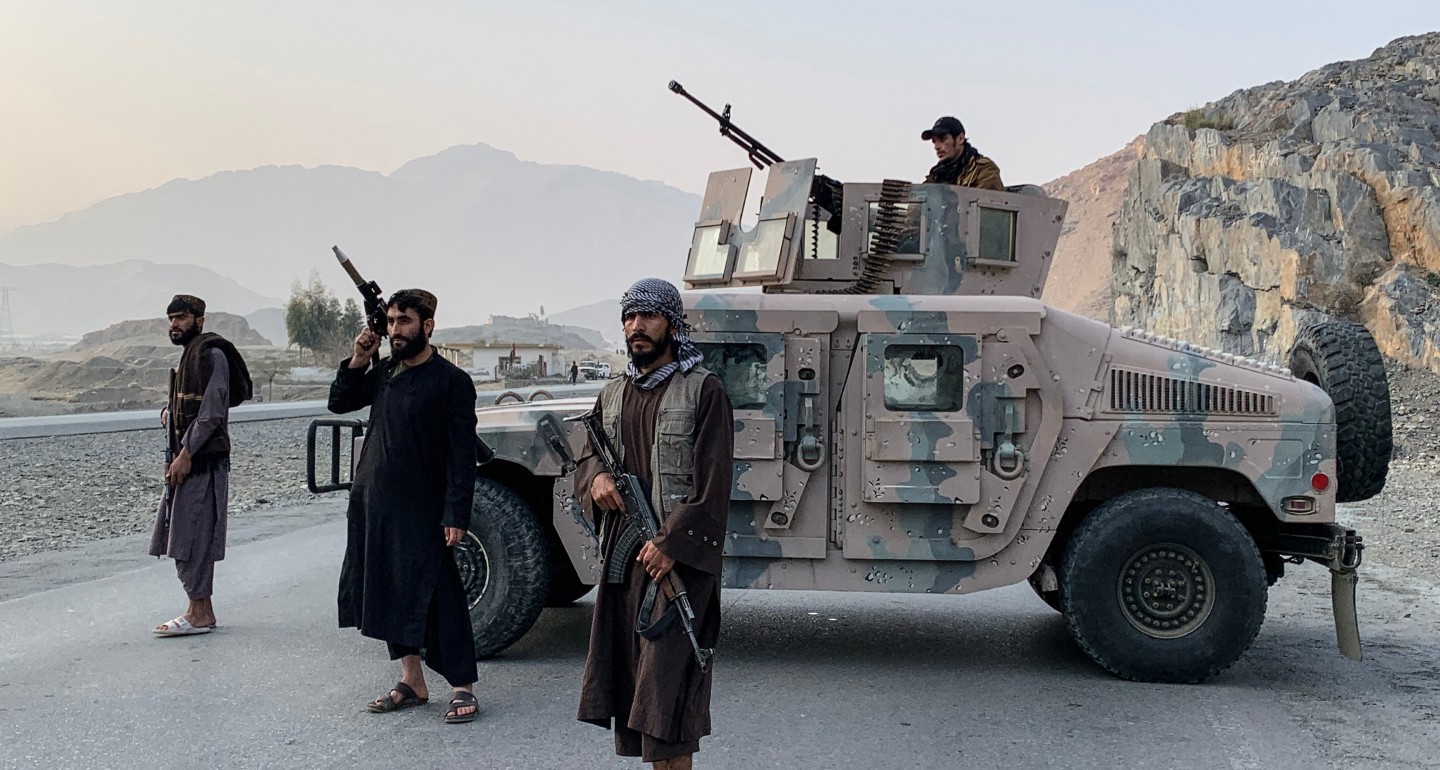
Not only does the fighting jeopardize regional security, it undermines Russian attempts to promote alternatives to the Western-dominated world order.

Ruslan Suleymanov
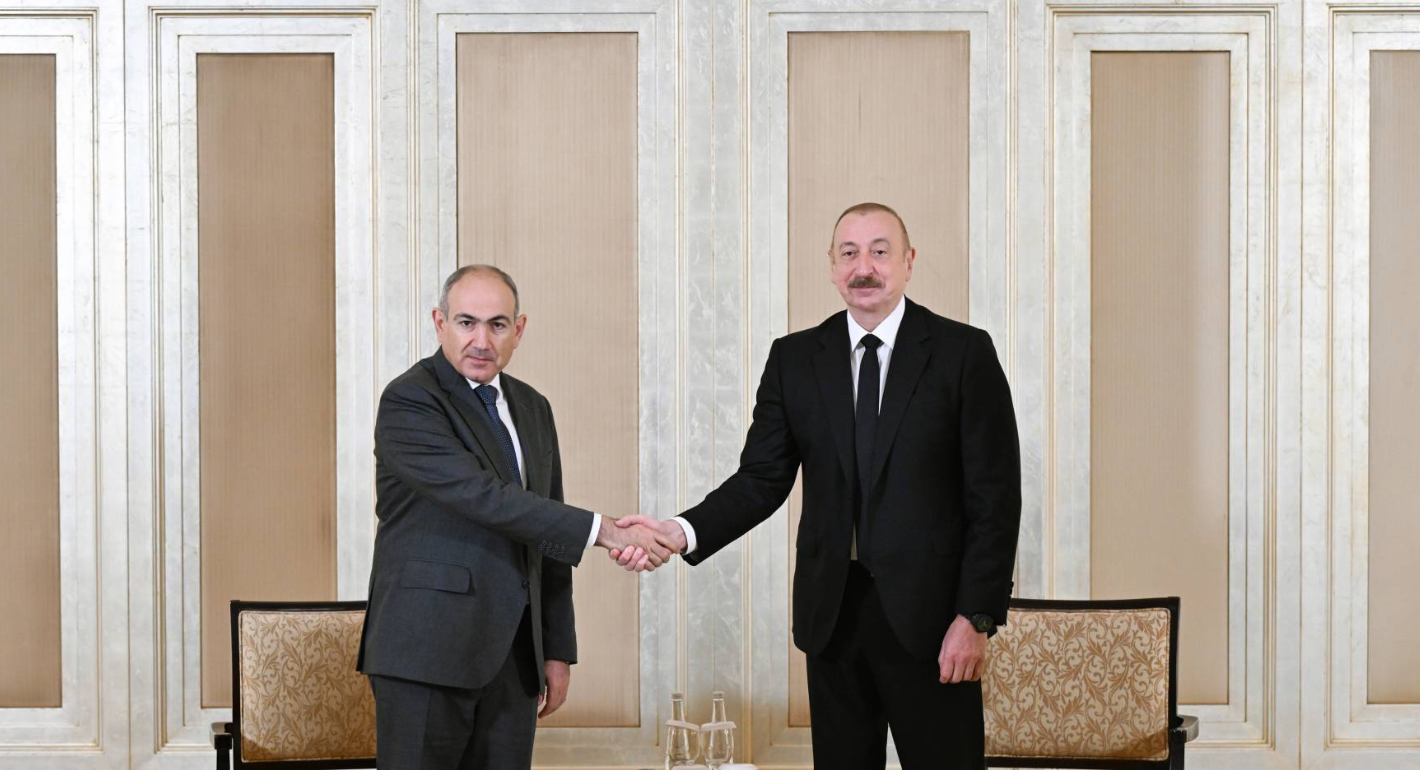
The U.S.-sponsored TRIPP deal is driving the Armenia-Azerbaijan peace process forward. But foreign and domestic hurdles remain before connectivity and economic interdependence can open up the South Caucasus.


Thomas de Waal, Areg Kochinyan, Zaur Shiriyev