

Commentary
Chung Min Lee
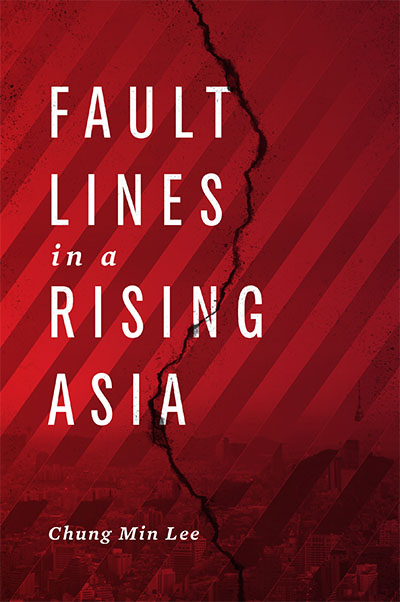
While Asia has been an unparalleled economic success, it is also home to some of the world’s most dangerous, diverse, and divisive challenges.
Source: Carnegie Endowment for International Peace
Asia has already risen by most hard-power measures. But without an understanding of the downsides of Asia’s rise, the conventional narrative is incomplete, misleading, and inaccurate.
Chung Min Lee explores the fundamental dichotomy that defines contemporary Asia. While the region has been an unparalleled economic success, it is also home to some of the world’s most dangerous, diverse, and divisive challenges. Contrary to prevailing wisdom, he says, Asia’s rise doesn’t mean the demise of the West.
“Is Asia ready for the Asian century? Chung Min Lee’s thought-provoking new book raises serious questions about whether Asia’s fragile political structures and fraught geopolitics can sustain global leadership. An important corrective to current jeremiads in America about its own decline and the remorseless rise of the East.”
—Simon Long, Banyan columnist, Economist
“Chung Min Lee—with clarity and tremendous skill—illustrates the political and military challenges that the rise of Asia has brought upon the region.”
—Kiichi Fujiwara, University of Tokyo
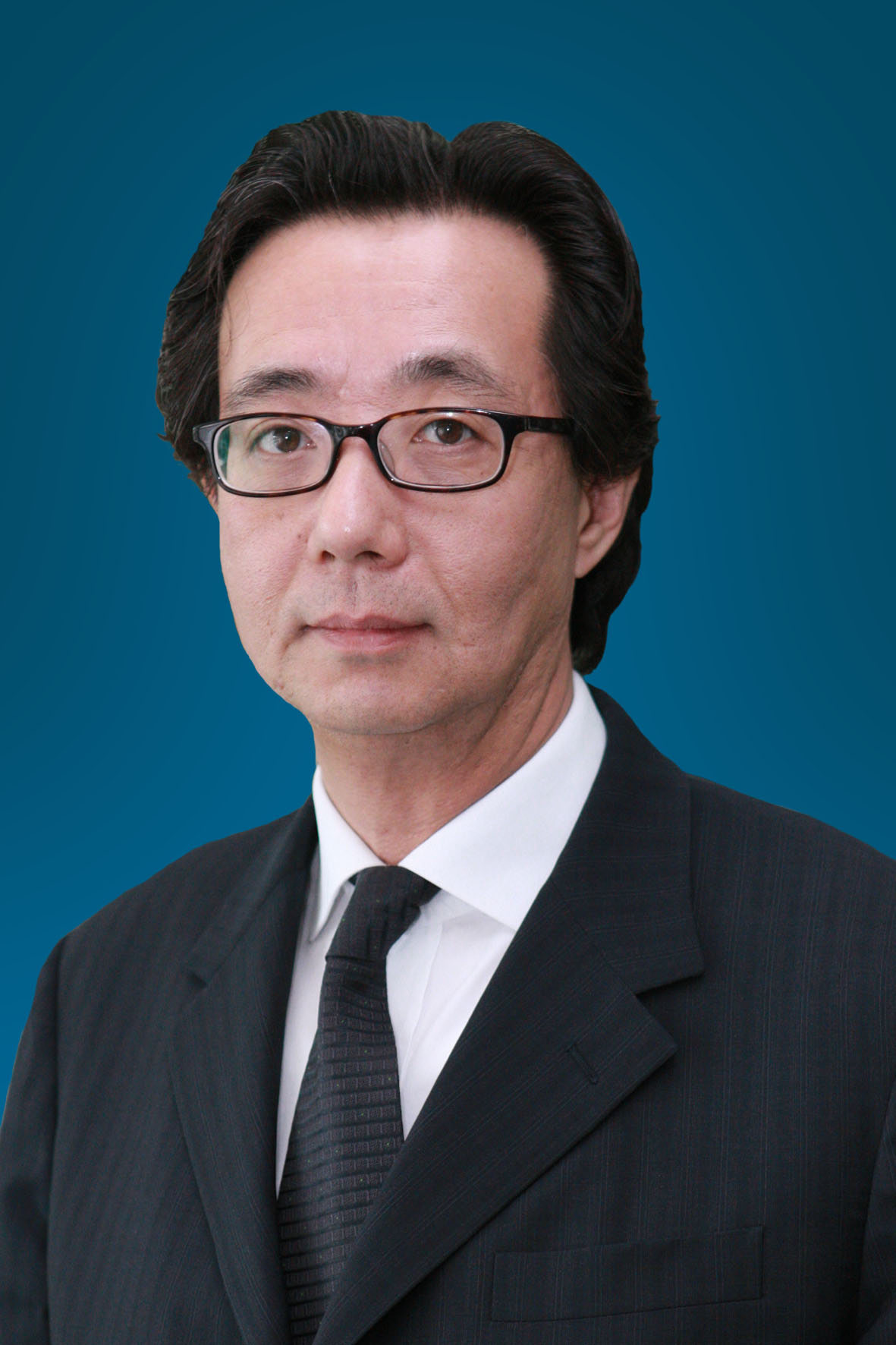
Senior Fellow, Asia Program
Chung Min Lee is a senior fellow in Carnegie’s Asia Program. He is an expert on Korean and Northeast Asian security, defense, intelligence, and crisis management.
Recent Work
Chung Min Lee
Carnegie does not take institutional positions on public policy issues; the views represented herein are those of the author(s) and do not necessarily reflect the views of Carnegie, its staff, or its trustees.
AI capabilities are moving fast. Most institutions—including governments—can’t keep up.


Anton Leicht, Scott Singer

The Bureau of Industry and Security needs to adjust its focus and practices to maintain its position as the U.S. government’s primary champion of international technological competition.

Geoffrey Irving
They face an uphill climb, but they could draw on a strategy that other diplomats have used in the past.


Shana Tabak, Alejandro Martin Rodriguez

European Commission President Ursula von der Leyen is about to give her annual address on the state of the EU. Here’s what she won’t—but should—say.

Rym Momtaz

Understanding the climatic pain points is necessary for policymakers hoping to minimize the war’s negative environmental consequences.


Alejandro Martin Rodriguez, Joy Arkeh, Sarah Yerkes