

Article
Thomas Carothers
{
  "authors": [
    "Thomas Carothers"
  ],
  "type": "commentary",
  "blog": "Sada",
  "centerAffiliationAll": "",
  "centers": [
    "Carnegie Endowment for International Peace"
  ],
  "collections": [],
  "englishNewsletterAll": "",
  "nonEnglishNewsletterAll": "",
  "primaryCenter": "Carnegie Endowment for International Peace",
  "programAffiliation": "",
  "programs": [],
  "projects": [],
  "regions": [
    "North Africa",
    "Sudan",
    "Egypt",
    "Libya",
    "Algeria",
    "Mauritania",
    "Morocco",
    "Tunisia",
    "Iraq",
    "Lebanon",
    "Jordan",
    "Palestine",
    "Syria",
    "Middle East"
  ],
  "topics": [
    "Political Reform",
    "Economy"
  ]
}

REQUIRED IMAGE
Until recently Western assistance programs aimed at strengthening political parties were less present in the Arab world than in almost all other areas of the developing world. As part of the heightened U.S. and European interest in promoting Arab political reform, however, such programs are multiplying in the region.
Until recently Western assistance programs aimed at strengthening political parties were less present in the Arab world than in almost all other areas of the developing world. As part of the heightened U.S. and European interest in promoting Arab political reform, however, such programs are multiplying in the region.
Some of the larger European political foundations such as the Friedrich Ebert Stiftung and the Konrad Adenauer Stiftung and Sweden's Olof Palme Center have been present in various Arab countries for years and sponsor some party-related activities. The current increase in party assistance is coming mainly from the two U.S. party institutes, the International Republican Institute (IRI) and the National Democratic Institute for International Affairs (NDI). These are private organizations affiliated with the two principal U.S. political parties. Their Middle East work is funded by the U.S. Agency for International Development, Department of State, and National Endowment for Democracy. They are currently working with political parties in Algeria, Iraq, Jordan, Lebanon, Morocco, Palestine, and Yemen.
Externally-sponsored party assistance often triggers sensitivities given the centrality of parties to a country's political life. Last year the governments Algeria, Bahrain, and Egypt took steps to terminate U.S. party aid and other U.S. democracy-related programs in their countries out of concern about political interventionism. Such controversies are sometimes aggravated by misconceptions about party aid. Five such misconceptions are common in the Middle East:
In short, it is understandable that Arab policy makers, political observers, and concerned citizens will watch Western party assistance carefully with regard to its political role in their societies. The key question in most cases for such aid, however, is not whether it is illegitimate interventionism but how such aid can be made effective in the face of challenging local realities, including the chronic weaknesses of parties in over-centralized political systems and a continuing lack of engagement by large members of citizens in daily political life.
Thomas Carothers, vice president for international politics and governance at the Carnegie Endowment for International Peace, is author of Confronting the Weakest Link: Aiding Political Parties in New Democracies (2006).

Harvey V. Fineberg Chair for Democracy Studies; Senior Fellow, Democracy, Conflict, and Governance Program
Thomas Carothers, a senior fellow in the Carnegie Endowment for International Peace’s Democracy, Conflict, and Governance Program, is a leading expert on comparative democratization and international support for democracy.
Recent Work
Thomas Carothers
Thomas Carothers
Carnegie does not take institutional positions on public policy issues; the views represented herein are those of the author(s) and do not necessarily reflect the views of Carnegie, its staff, or its trustees.

Can economic ties help contain conflict between Egypt and Israel, or do they simply postpone confrontation? Drawing on the German-Russian experience, the article examines how the gas deal creates mutual dependence, keeps channels of cooperation open, and raises the cost of conflict, without necessarily delivering lasting peace.

Nourhan Hefzy
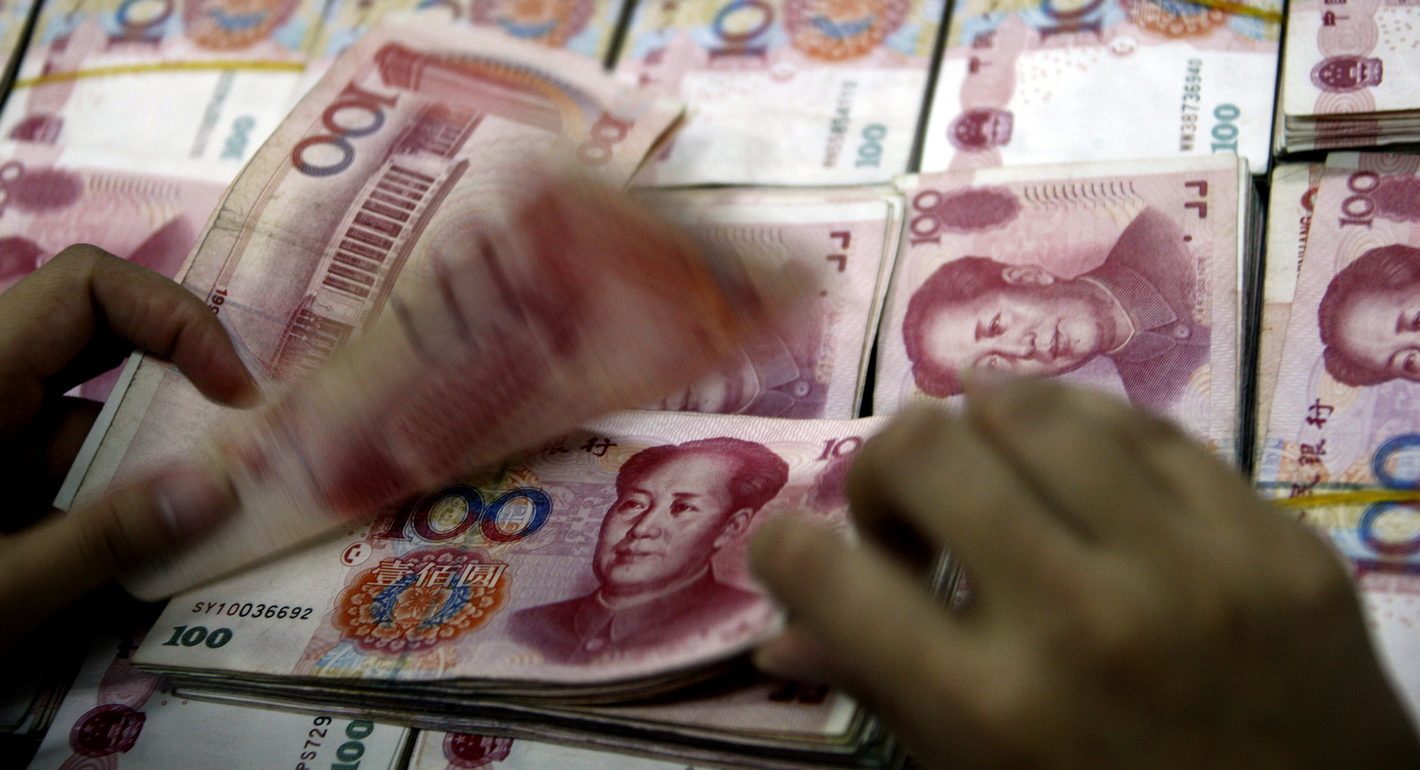
Is the Gulf moving beyond the dollar? This article examines how China is expanding the renminbi's role across Gulf markets, what that means for regional finance, and why the future of global currencies is more complex than the de-dollarization debate suggests.
Andrew Bonney
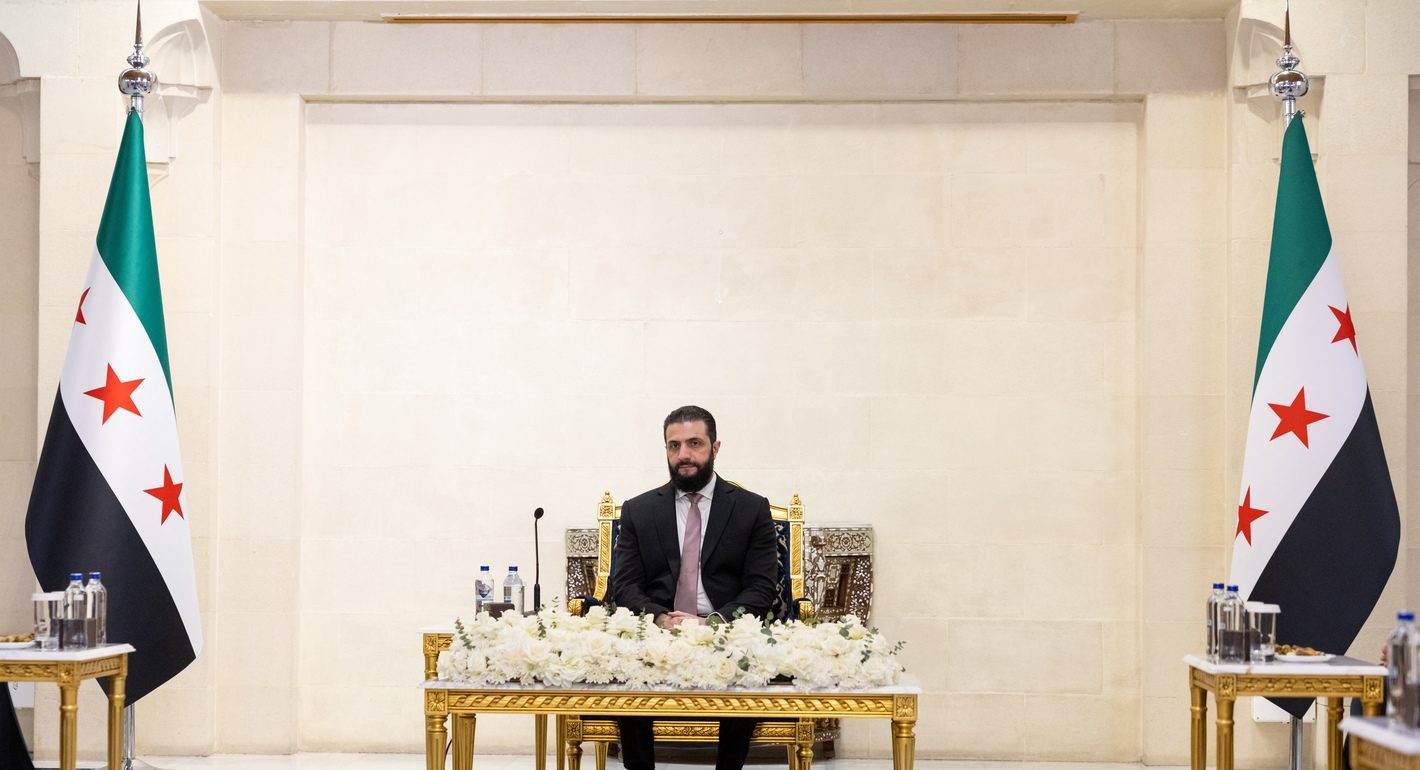
Syria's transition promised a fresh start. But are old habits of power making a comeback? This analysis looks at the warning signs and what it will take to build a more accountable state.
Sima Beitinjaneh
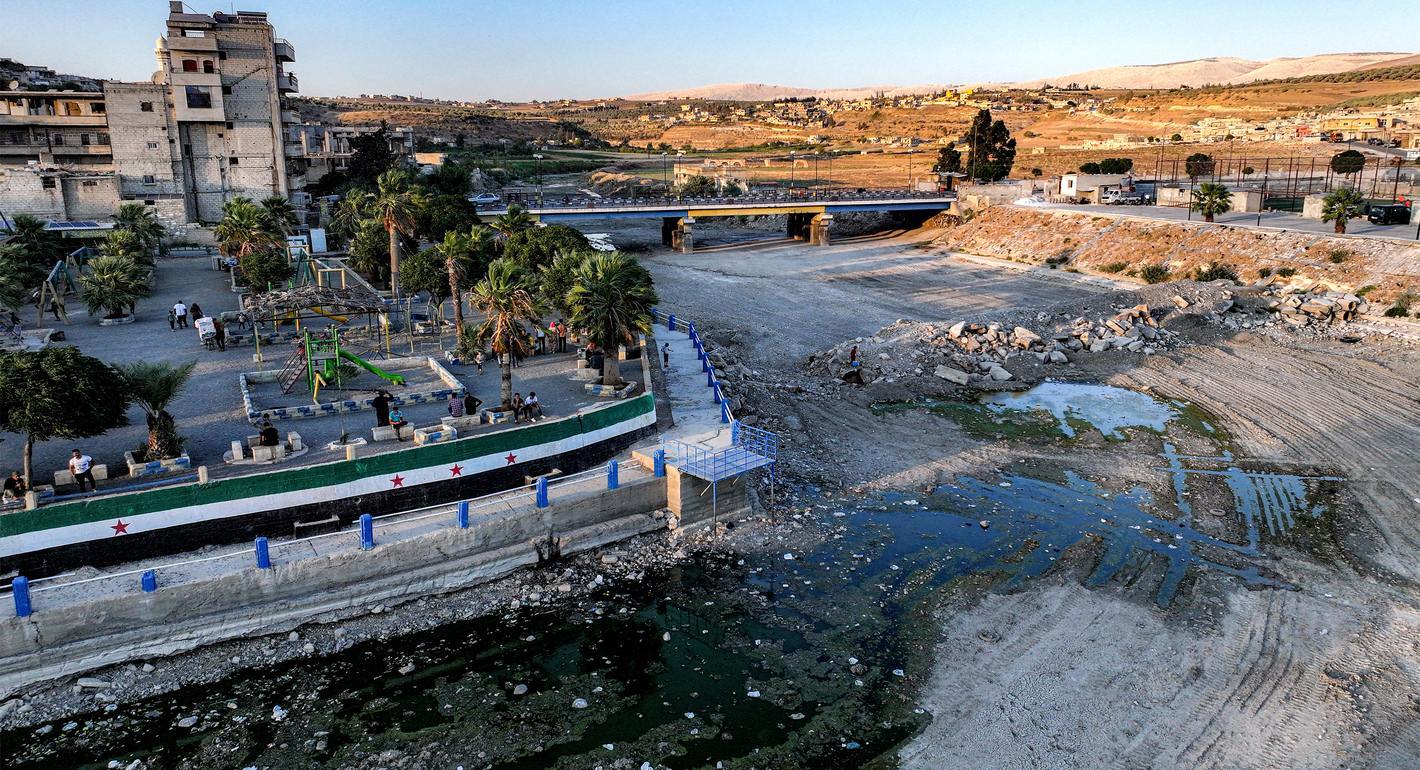
Syria’s worsening drought is no longer a seasonal crisis. This report explains what climate change is doing to rainfall, groundwater, and food security, and what solutions experts say are still possible.
Milia Esper
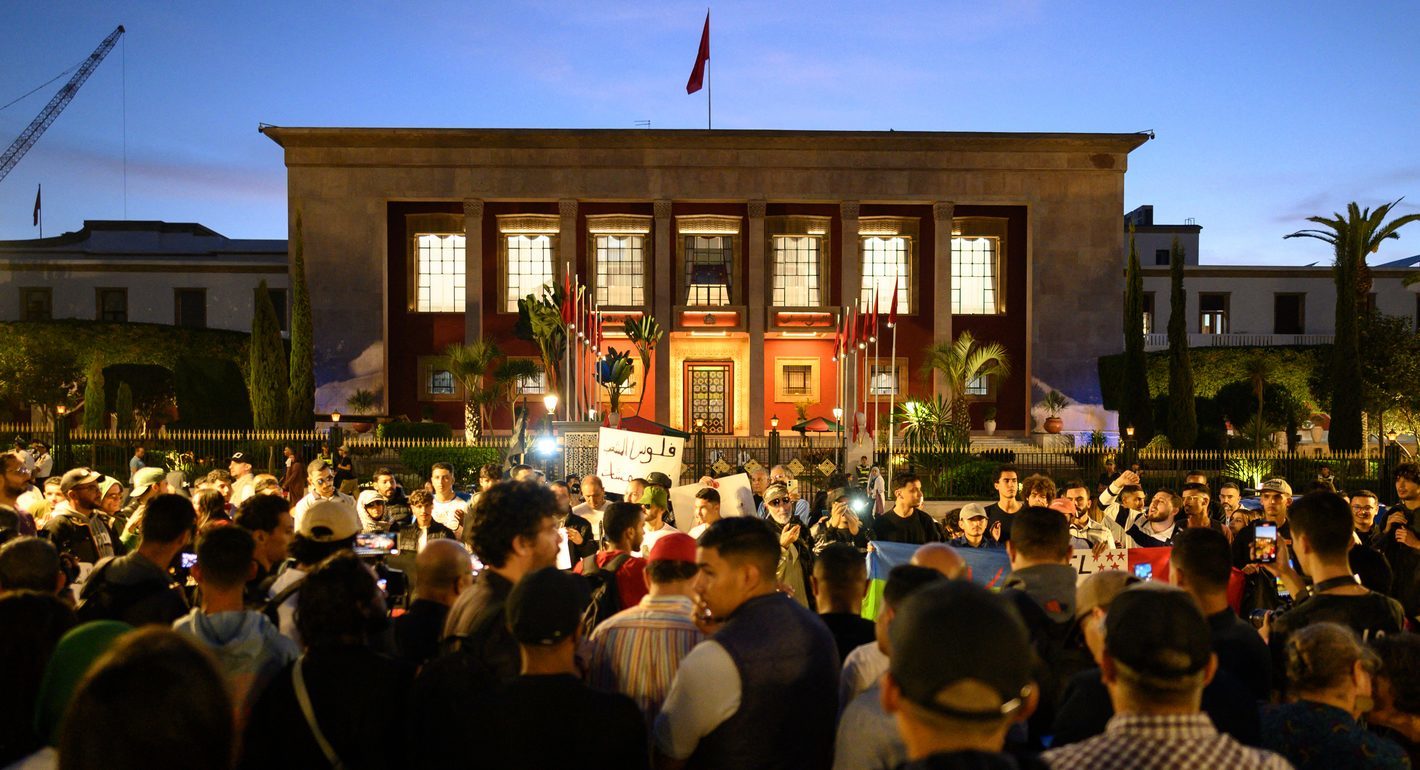
From anime heroes to online gaming communities, Morocco’s Gen Z is building a new protest culture. What does this digital imagination reveal about youth politics, and how should institutions respond?
Abdelilah Farah