

Research
- +10
Rosa Balfour, Frances Z. Brown, Yasmine Farouk, …
{
  "authors": [
    "Moisés Naím"
  ],
  "type": "legacyinthemedia",
  "centerAffiliationAll": "",
  "centers": [
    "Carnegie Endowment for International Peace"
  ],
  "collections": [],
  "englishNewsletterAll": "",
  "nonEnglishNewsletterAll": "",
  "primaryCenter": "Carnegie Endowment for International Peace",
  "programAffiliation": "",
  "programs": [],
  "projects": [],
  "regions": [
    "North America",
    "United States",
    "Middle East",
    "North Africa",
    "Sudan",
    "East Asia",
    "China",
    "Central Asia",
    "Caucasus",
    "Russia",
    "North Korea"
  ],
  "topics": [
    "Political Reform",
    "Economy",
    "Foreign Policy"
  ]
}
Source: Getty
Governments are funding and controlling nongovernmental organizations (NGOs), often stealthily. They have become the tool of choice for undemocratic governments to manage their domestic politics while appearing democratic.
Source: Washington Post

Gongos are government-organized nongovernmental organizations. Behind this contradictory and almost laughable tongue twister lies an important and growing global trend that deserves more scrutiny: Governments are funding and controlling nongovernmental organizations (NGOs), often stealthily.
Some gongos are benign, others irrelevant. But many, including those I mentioned, are dangerous. Some act as the thuggish arm of repressive governments. Others use the practices of democracy to subtly undermine democracy at home. Abroad, the gongos of repressive regimes lobby the United Nations and other international institutions, often posing as representatives of citizen groups with lofty aims when, in fact, they are nothing but agents of the governments that fund them. Some governments embed their gongos deep in the societies of other countries and use them to advance their interests abroad.
That is the case, for example, of Chongryon, a vast group of pro-North Korean "civil society" organizations active in Japan. It is the de facto representative of the North Korean regime. Japanese authorities have accused several of its member organizations of smuggling weapons technology, trafficking in pharmaceutical products, and funneling hundreds of millions of dollars, as well as orchestrating a massive propaganda operation on Pyongyang's behalf.
For decades, "civil society" groups in a variety of countries have stridently defended Cuba's human rights record at U.N. conferences and have regularly joined the efforts aimed at watering down resolutions concerning Cuba's well-documented violations. Bolivarian Circles, citizen groups that support Venezuelan President Hugo Chávez, are sprouting throughout Latin America, the United States and Canada. Their funding? Take a guess. Iran, Saudi Arabia and other wealthy governments in the Middle East are known to be generous -- and often the sole -- benefactors of NGOs that advance their religious agenda worldwide.
But the most dangerous gongos grow at home, not abroad. They have become the tool of choice for undemocratic governments to manage their domestic politics while appearing democratic. In many countries of the former Soviet Union, government-backed NGOs are crowding out and muddling the voices of the country's legitimate civil society. In Kyrgyzstan, for example, the Association of Non-commercial and Nongovernmental Organizations is an enthusiastic fan of former president Askar Akayev. It ran a national petition drive in 2003 asking Akayev, who had been in power since 1991, to run for reelection. Likewise, the Myanmar Women's Affairs Federation is a harsh critic of Aung San Suu Kyi, the Nobel Peace Prize winner and opposition leader who has spent much of the past 18 years under house arrest. The federation is run by the wives of the Burmese military junta's top generals.
Democratic governments have their own gongos, too. The National Endowment for Democracy (NED) is a private nonprofit organization created in 1983 to strengthen democratic institutions around the world through nongovernmental efforts. It is also a gongo funded by the U.S. government. In several countries, receiving money from the NED is considered a crime. President Vladimir Putin's government has denounced foreign-funded support for political reform by groups such as the NED as subversive and anti-Russian. A Chinese newspaper called U.S.-backed democracy promotion "self-serving, coercive and immoral."
For the sake of full disclosure, it's important to note that I serve on the NED board of directors. I, therefore, disagree that its activities are criminal, immoral or a tool of the White House. Its programs, decisions and sources of revenue and expenditures are transparent, and its directors, who serve without pay, are independent.
But why should you believe me?
Ideally, there should be an independent and credible source that helps you decide whether the NED or other gongos, backed by, say, the Canadian or Dutch governments, belong in the same category as Chongryon or Nashi. The world needs a rating system for NGOs that does for civil society what independent credit rating agencies do for the global financial system. The credit rating agencies play an indispensable role in facilitating the borrowing and lending that takes place every day by providing investors with information about the financial conditions of corporations, government agencies and individuals. These independent and professional assessments of borrowers' creditworthiness allow major transactions to take place faster and cheaper. Ultimately, lenders make decisions within a market in which a company that always meets its obligations is less likely to be confused with one that pays its creditors only after a court orders it to do so.
A similar set of institutions could provide accurate information about the backers, independence, goals and track records of NGOs. The globalization and effectiveness of nongovernmental organizations will suffer if we don't find reliable ways of distinguishing between organizations that represent democratic civil society and those that are tools of uncivil, undemocratic governments. Such rating agencies would help donors and citizens decide whom and what to believe. They would also make life harder for gongos that have the worst intentions.
Moisés Naím is editor in chief of Foreign Policy magazine and the author of "Illicit: How Smugglers, Traffickers and Copycats Are Hijacking the Global Economy." This essay will appear in the May/June issue of Foreign Policy.
This piece originally appeared in The Washington Post.

Distinguished Fellow
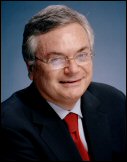
Moisés Naím is a distinguished fellow at the Carnegie Endowment for International Peace, a best-selling author, and an internationally syndicated columnist.
Recent Work



Rosa Balfour, Frances Z. Brown, Yasmine Farouk, …
Moisés Naím
Carnegie does not take institutional positions on public policy issues; the views represented herein are those of the author(s) and do not necessarily reflect the views of Carnegie, its staff, or its trustees.
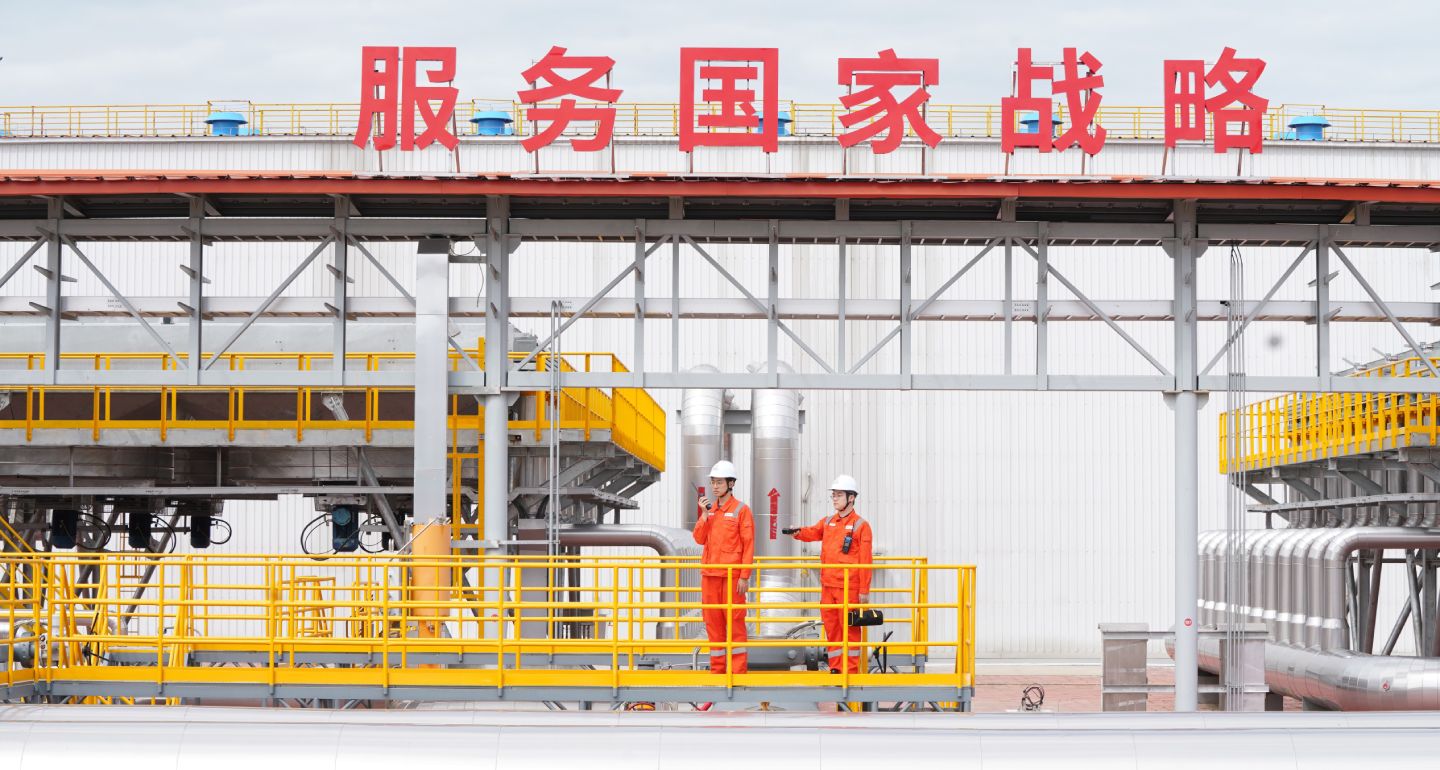
A leak of Russian gas price data helps establish that China is paying Russia far less than Central Asian countries and Gazprom’s former European customers.

Sergey Vakulenko

China’s political future will be shaped between now and next October. As the Communist Party enters its intense “campaign season” to prepare for a major political transition in 2027, reading Beijing's actions and responses may become more difficult as domestic politics weigh on its behavior more than usual.

Damien Ma

The EU can impose sanctions but struggles to enforce them without the United States. With Washington increasingly disinterested in backing European interests, the bloc must now fend for itself.


Nicu Popescu, Tiago Antunes
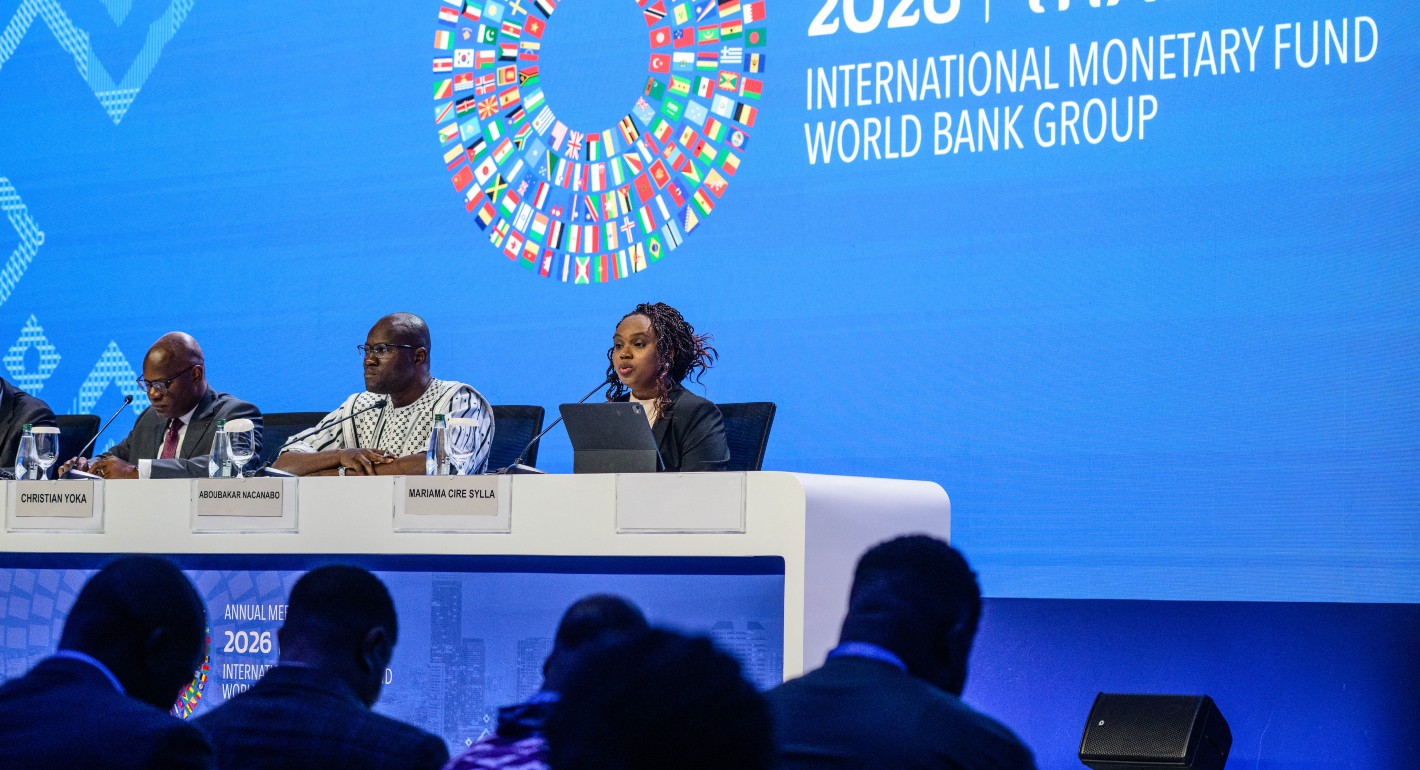
Global and rising powers will need to engage with Africa’s priorities and agency in order to secure the continent’s increasingly attractive partnerships.
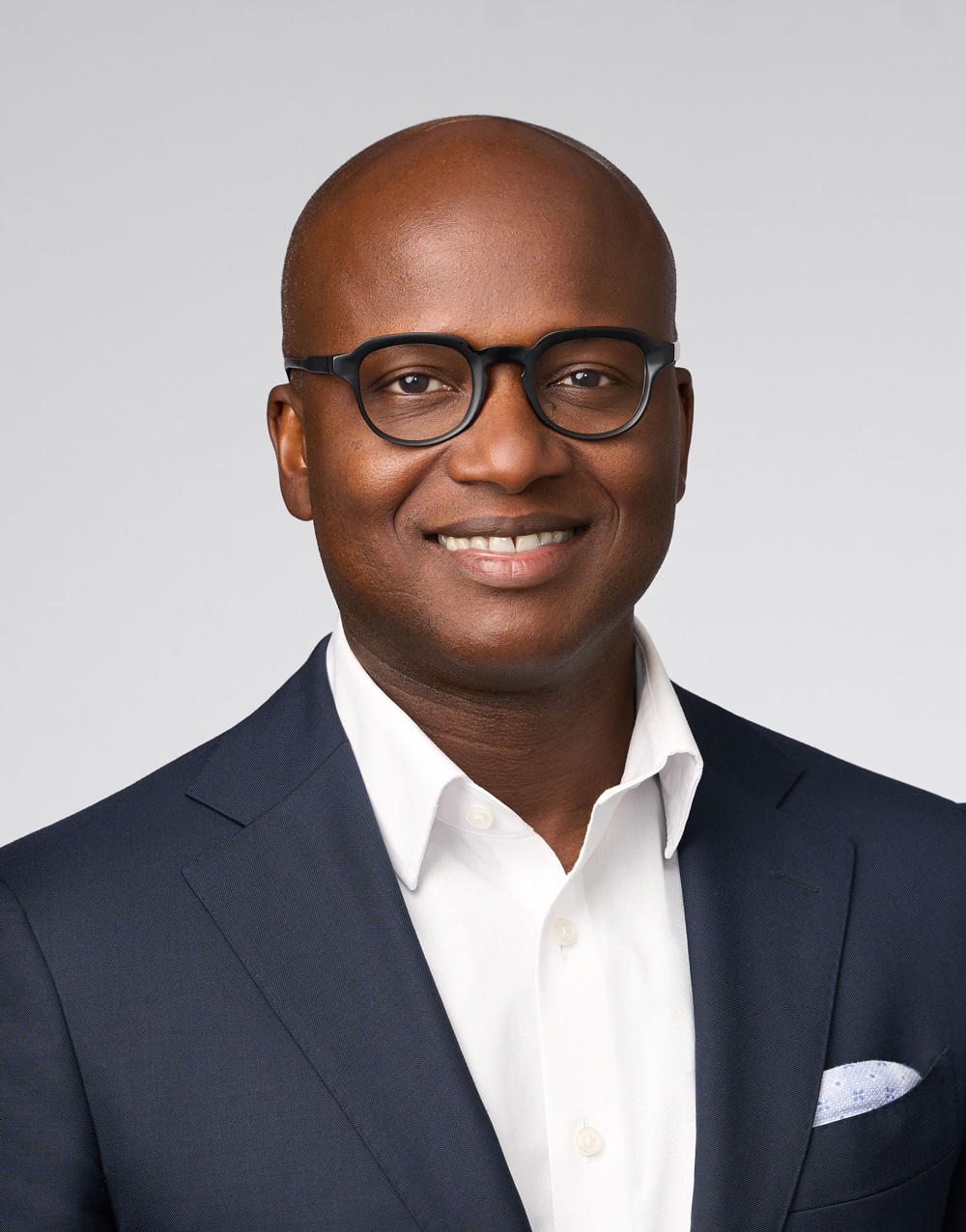
Fonteh Akum
Rubio’s recent visit brought welcome attention, but more capital requires governance changes that may be a hard sell for regional governments.

Jennifer B. Murtazashvili